Because women's health has waited long enough for research that actually reflects women.


Medical research has historically been designed around male physiology. Women have been underrepresented in clinical trials for decades, leaving significant gaps in how conditions like PMOS, endometriosis and menopause are understood and treated.
This study was designed to change that. Every participant, every data point, and every outcome is female, making it one of the most comprehensive real-world datasets on GLP-1 treatment in women ever collected.

women enrolled across the UK, aged 18 to 79, spanning diverse ethnicities, BMI ranges and health backgrounds.

average BMI at baseline, spanning Obesity classes I to III. This reflects a real-world patient population, not a cherry-picked trial group.
Nearly everything moved in the right direction — and it happened at around two-thirds of the maximum dose.
If you've ever had a blood test and been told your cholesterol is "a bit high", or that you're "borderline" for diabetes, these are the numbers they meant. They're the three a clinician looks at when assessing your heart and diabetes risk — and you only know they've changed if someone retests them. We test every woman before she starts, and again at six months.
Called HbA1c. One blood test, and it shows your average blood sugar over the past three months — so you can't game it with a good week. It's the test used to diagnose prediabetes and type 2 diabetes.
What happened: most women whose result was in the diabetes range came back into the normal range within six months.
And of the women who started in the normal range, 99.7% stayed there.
LDL is the type that can collect in the walls of your arteries and narrow them over time. That's why it gets called "bad" cholesterol, and it's one of the main numbers used when a clinician assesses your heart health.
What happened: LDL came down. So did your total cholesterol, which is everything added together. Both falls were real rather than chance — which is what "statistically significant" means.
For the record, and for your GP: total cholesterol fell by an average of 0.77 mmol/L and LDL by 0.61 mmol/L over six months.
Triglycerides are fat travelling in your blood — energy from food your body hasn't used yet. They tend to rise alongside weight and blood sugar, which is why they often all go wrong together.
What happened: they fell too, significantly. All three markers moved in the same direction over the same six months.
For the record, and for your GP: triglycerides fell by an average of 0.47 mmol/L.
The weight and the bloods weren't two separate stories. They moved together.
The more weight a woman lost, the further her markers improved — a clear, measurable relationship rather than a coincidence. That's the strongest sign that what changed wasn't just her shape, but how her body was handling sugar and fat.
And 83.1% of women lost at least 10% of their body weight — the threshold associated with meaningful improvement in long-term health.
Each additional 10 kg lost was associated with a further fall of 1.3 mmol/mol in HbA1c and 0.23 mmol/L in total cholesterol.
There's a widespread assumption that the goal is to climb to the highest dose as quickly as possible. It isn't. The dose that's working for you is the right dose, and going higher than you need usually means more side effects, not more results.
Average dose exposure across the study sat at around 63% of the maximum licensed dose — and weight loss over six months was comparable to the trajectories reported in the major clinical trials of these treatments.
We go up when your body says you need to, not because the calendar says so.
Your clinician reviews you every single month. If you're responding well, your dose is held where it is. If you're struggling, it can be slowed or held. If you genuinely need more, you'll get more — but as a clinical decision about you, not a default schedule applied to everybody.
This is what personalised actually means, and it's the difference between being treated and being processed.
Your clinician reviews you every single month. If you're responding well, your dose is held where it is. If you're struggling, it can be slowed or held. If you genuinely need more, you'll get more — but as a clinical decision about you, not a default schedule applied to everybody.
This is what personalised actually means, and it's the difference between being treated and being processed.
This describes how our programme approaches care, and the general clinical thinking behind it. It isn't guidance about your own treatment — dosing decisions are always made between you and your clinician. The study did not measure body composition, muscle mass or skin changes.
Side effects with this class of treatment are closely linked to dose, and to how quickly it’s increased. Not racing up the ladder is one of the most practical things that can be done to keep you comfortable.
Losing weight very fast tends to mean losing more than fat alone — muscle goes with it, and that affects how strong you feel and how your body looks as you go.
A steadier, supervised rate of loss is widely considered better for holding on to muscle. Our study measured weight rather than body composition, so we can’t show you our own data on this. It’s part of why we don’t rush.
The women in the study got their outcomes at around two-thirds of the maximum. The evidence suggests titration guided by your own response may matter more than reaching the top of the range.
Dose is the main driver of what this treatment costs. A programme that escalates everyone by default costs you more. One that holds you where you’re doing well doesn’t.
Everyone in the study had the same things wrapped around their prescription: a weekly video check-in, a supervised weigh-in, a monthly review with a clinician, and a side-effect support kit that arrived before they needed it.
That structure isn't decoration. The study was able to measure its effect, and it found it.
Everyone in the study had the same things wrapped around their prescription: a weekly video check-in, a supervised weigh-in, a monthly review with a clinician, and a side-effect support kit that arrived before they needed it.
That structure isn't decoration. The study was able to measure its effect, and it found it.
A live video check-in every week, with your weight confirmed rather than self-reported. Being accountable to a person, on a known day, is what turns intention into a routine.
Every member gets the kit before side effects start, and tracks symptoms in the app. Among the women who used that support, 5.0% stopped treatment, compared with 7.4% of those who didn’t — a statistically significant difference.
Your dose, your response and your symptoms reviewed by a clinician every month, with anything concerning looked at within 24 hours.
.webp)

The study assessed the structured side-effect support as a single package rather than separating out its parts. The difference in discontinuation was statistically significant (P = 0.001).
99.3% of the women in the study lost weight over six months. Not an average that quietly hides the people it didn't work for.
10% weight loss is the threshold associated with meaningful health benefit. 83.1% of women passed it.
63.6% of women who started in the highest weight category moved down at least one category.
92.1% of those in the category below reached a healthy-range BMI or close to it.
These outcomes came from women managing jobs, families and everything else — not from a controlled trial environment. Average weight loss over six months was comparable to the trajectories reported in the major clinical trials of these treatments, at around two-thirds of the maximum dose.
Our mission is to revolutionise women's health by creating a safe space for women to get the right support for their health and wellness concerns.
At SheMed, we believe every woman deserves personalised and compassionate healthcare. After years of feeling overlooked by the medical community, we created a platform prioritising women's health. We are dedicated to understanding and advocating for your health.
From £59 for your first month
Start with a short eligibility check. We'll arrange your blood test, and a clinician will review your results before anything is approved.
Takes two minutes, and it isn't a commitment. Prescription treatment isn't suitable for everyone and is only approved after a clinician reviews your blood tests. Not suitable in pregnancy.
We've put this here rather than hiding it. If you want to interrogate the research before you trust it, these are the things we'd want you to know.
What the study couldn't prove
This was an observational study with no comparison group, so it can show what happened to the women in it but cannot definitively prove that treatment caused it. Everyone paid for the programme themselves, which may mean the group was more motivated than average.
Follow-up stopped at six months. 88% of participants were White, so the findings need confirming in more diverse groups. Because only women took part, the study can't show how responses differ by sex. Medical history and medication use were self-reported, and blood pressure and waist measurements weren't collected. The women studied were largely healthy with limited other conditions, so the findings shouldn't be read across to people being treated for advanced obesity-related complications.
What it measured — and what it didn't
It measured weight, BMI category, HbA1c, cholesterol, triglycerides, how many women stayed on treatment, and side effects.
It did not measure energy, appetite, mood, sleep, fertility or quality of life, so we make no claims about any of those. And because it measured markers of risk rather than disease events, it can't show that your risk of diabetes or heart disease fell — only that the markers improved.
About the comparison with clinical trials
Where this page says weight loss was comparable to the major clinical trials, that refers to the early six-month trajectories reported in those trials. The trials ran for longer than six months, used different populations and were designed differently, and our study had no comparator group of its own. So this is a point of context, not a claim that one approach outperforms another.
Who ran it, and who paid for it
The study was led by Professor John Deanfield of the UCL Institute of Cardiovascular Science and analysed by an independent statistical team at University College London. Data were pseudonymised before transfer, and the analysis code is publicly available.
It was funded by a grant administered through UCL. The funder had no role in study design, data collection, analysis, interpretation or the decision to publish. Competing interests for all authors are declared in the paper.
Testimonials
"It's changed my way of thinking about food. It's taken out the food noise. It's made things quite easy. I can still eat what I want when I want, but I'm not totally consumed by what am I having? What am I eating?"
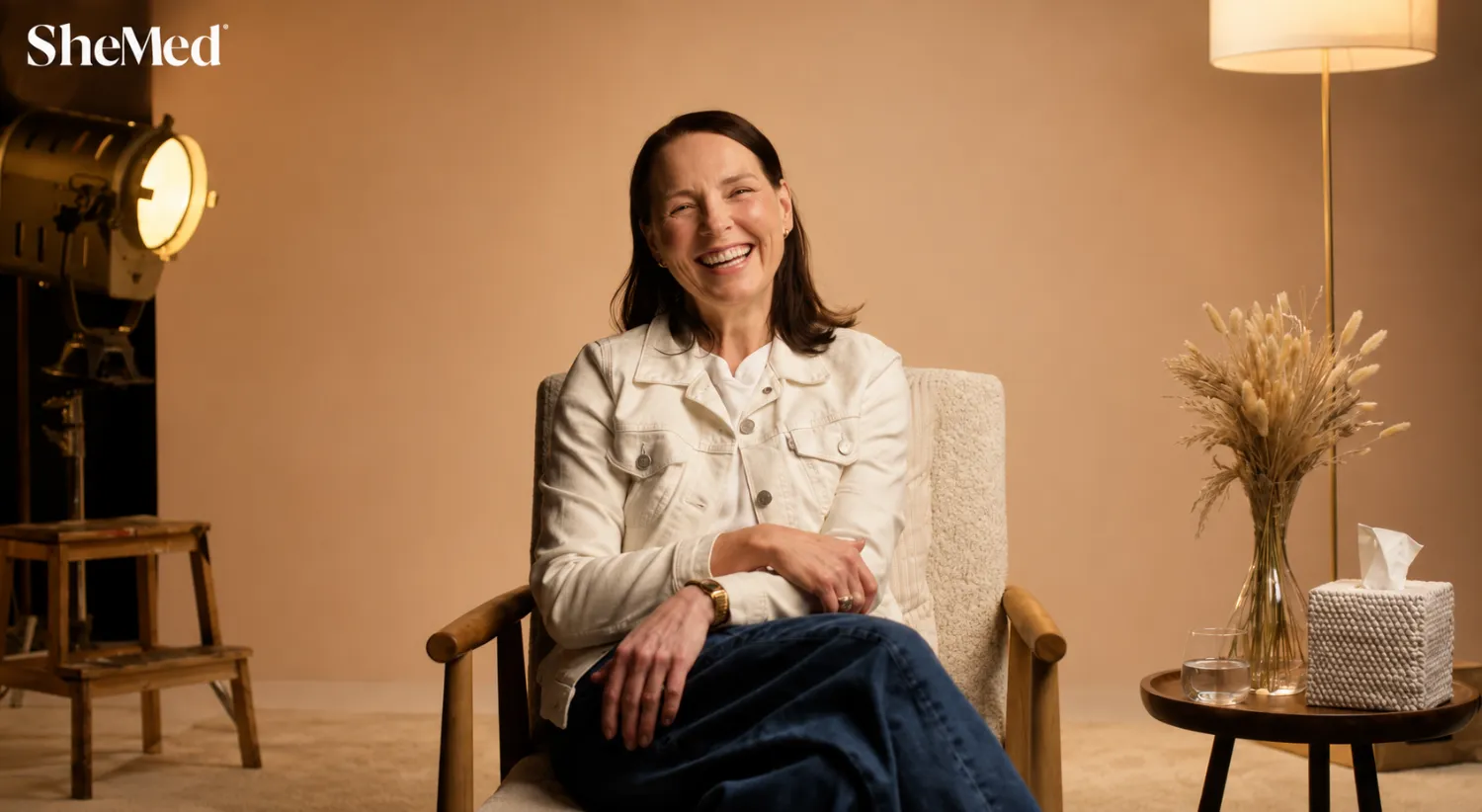
"One of the things that stood out to me is, you know, you can have access to a clinician. It takes the mental load away. And here we are about a year later and about four stone lighter. I feel like I'm in a really good place now."
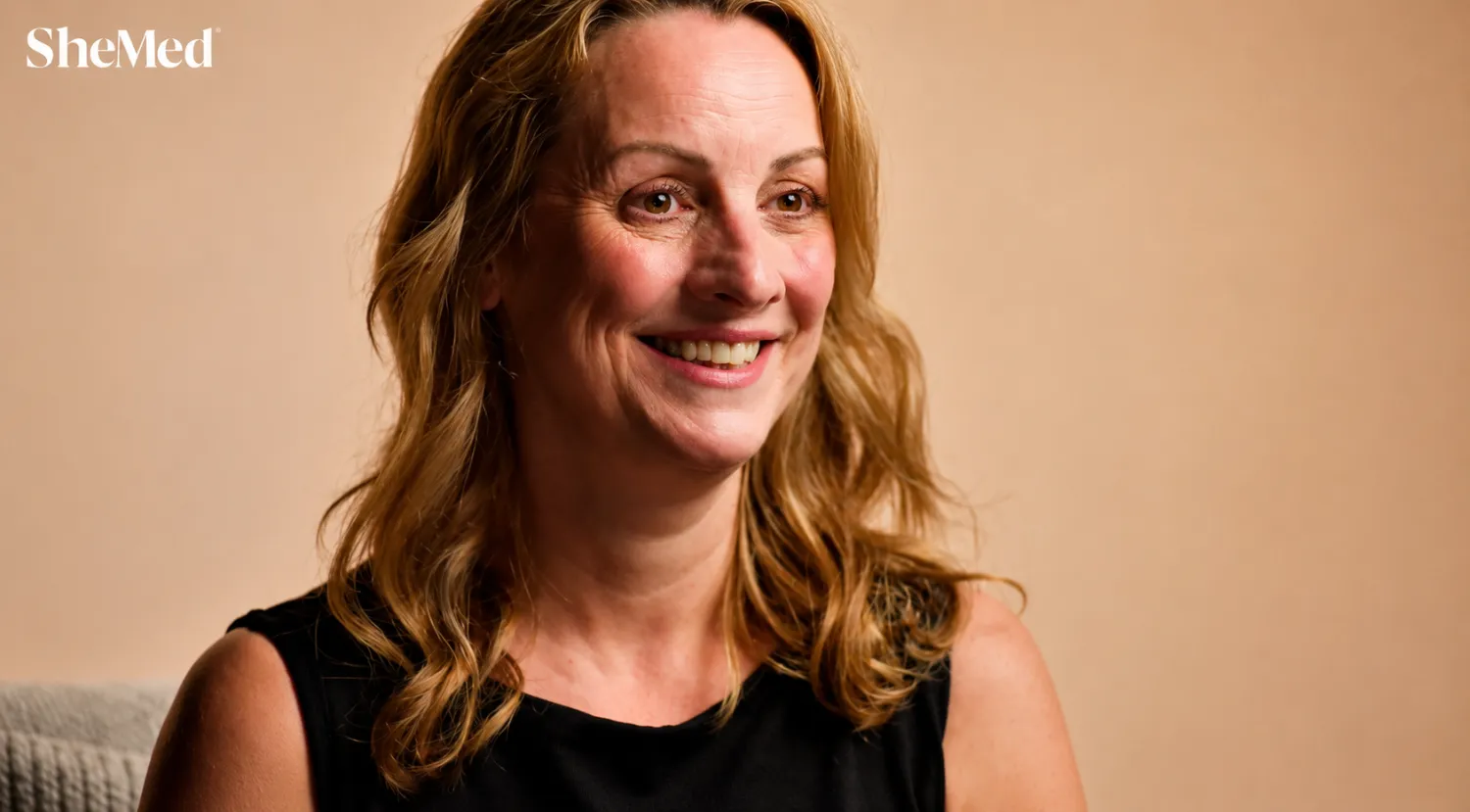
"I'm feeling better, certainly moving a lot better. I've recently signed up to go back to dancing. I never thought I would dance again."
"Unlimited messaging meant every question got answered fast. I felt supported the whole way."