Hydration & Weight Loss
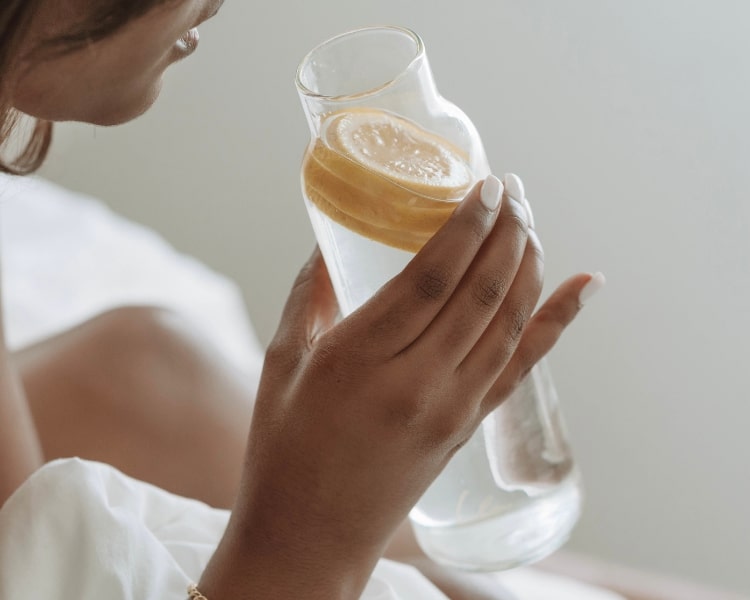
Hydration & Weight: The Overlooked Link
At SheMed, we know weight management is complex, hydration is just one piece of the puzzle, but it’s often missed. For busy women juggling hormones, routines, and unpredictable UK weather, drinking enough water can quietly support energy, appetite, and overall health.
Why Water Matters
Your body relies on water to do nearly everything: from supporting metabolism and digestion to keeping you alert and energised. Even mild dehydration can leave you feeling tired, foggy, and more likely to snack. It can also slow down your metabolism, something many women don’t realise.
Appetite, Hormones & Hydration
Hormones can affect cravings and hunger throughout your cycle. Drinking more water may help with bloating, reduce sugar cravings, and support appetite control. Some research even shows that staying hydrated can give your metabolism a short-term boost.
Hydration for Exercise & Energy
Water supports endurance, motivation, and recovery so staying hydrated helps you get more out of your workouts. That matters, whether you’re lifting weights or walking to work.
How Much Water Do You Really Need?
The NHS recommends 6–8 glasses a day, but needs vary. You may need more if you’re active or going through menopause. Don’t forget: water-rich foods like cucumber, watermelon and strawberries count too!
Simple Ways to Drink More
- Keep a reusable bottle on hand
- Add fruit or herbs for flavour
- Set gentle reminders on your phone
- Drink a glass before each meal
- Choose water over sugary drinks
One Small Habit, Big Support
Drinking more water won’t transform your health overnight but it’s a powerful, simple habit that can support your hormones, hunger, and energy along the way. At SheMed, we’re here to guide you through all the pieces that make a real difference.
The content on the SheMed blog is provided for general informational and educational purposes only. While SheMed provides professional weight loss services and strives to ensure the information shared is accurate and up to date, we make no representations or guarantees as to its accuracy, completeness, or timeliness. This content should not be taken as personal medical advice or a substitute for consultation with a qualified healthcare provider. Always speak with your doctor or licensed medical professional about your individual health or medical needs before starting any new treatment or programme. Never disregard or delay seeking professional medical advice because of something you have read on this site. SheMed is not responsible for any actions you may take based on the information provided in this blog.