Nutrition 101: The “Healthy Plate”

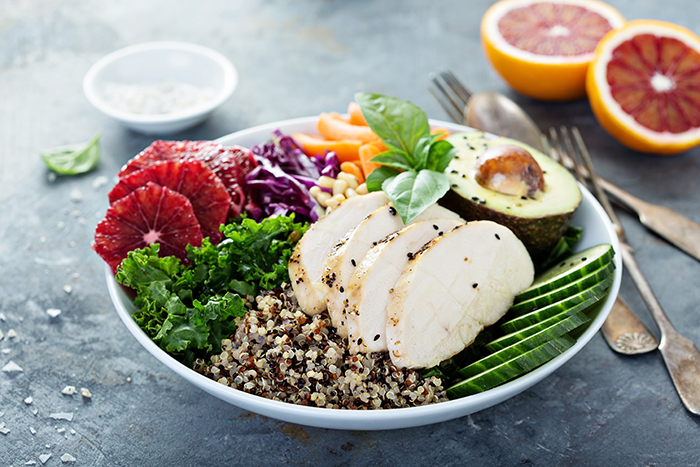
What is a Healthy Plate?
There isn’t a one-size-fits-all answer, but the best advice is to focus on variety and prioritise whole, nutrient-dense foods. Aim to avoid processed, packaged items and instead choose real, natural ingredients—the kind your great-great-great-grandmother would easily recognise.
- 50% Vegetables and Fruits: Aim for a variety of colours and types to maximise vitamins, minerals, and fibre.
- 25% Lean Protein: Include sources like chicken, fish, beans, tofu, eggs, or legumes to support muscle repair, energy, and overall health. Protein is especially important when using GLP-1 medications, as these can reduce appetite and may lead to muscle loss if protein intake is insufficient. Aim to include high-quality protein in every meal to preserve muscle mass while supporting weight loss.
- 25% Whole Grains: Opt for whole grains like brown rice, quinoa, or whole wheat bread for sustained energy and fibre.
- Healthy Fats: Add small amounts of healthy fats, such as avocado, nuts, seeds, or olive oil.
- Hydration: Pair your plate with water or other low-calorie beverages, avoiding sugary drinks.
This balanced approach is the foundation of a nutritious lifestyle and can be tailored to fit specific health goals or dietary needs. Protein intake is particularly vital for individuals on GLP-1 medications to maintain strength, energy, and overall well-being.
We hope this helps with building your perfect plate while on your SheMed journey.
If you’re looking for more information, please feel free to review the following attachment. Click here for more info!
The content on the SheMed blog is provided for general informational and educational purposes only. While SheMed provides professional weight loss services and strives to ensure the information shared is accurate and up to date, we make no representations or guarantees as to its accuracy, completeness, or timeliness. This content should not be taken as personal medical advice or a substitute for consultation with a qualified healthcare provider. Always speak with your doctor or licensed medical professional about your individual health or medical needs before starting any new treatment or programme. Never disregard or delay seeking professional medical advice because of something you have read on this site. SheMed is not responsible for any actions you may take based on the information provided in this blog.