
Powering Your Body: Protein


Powering Your Body: The Essential Role of Protein in Nutrition
Protein is key for weight management, especially with GLP-1 medications. It supports muscle repair, boosts metabolism via the thermic effect of food (TEF), and promotes fullness to help control appetite.
How Much Protein?
Aim for ~0.75g per kg of body weight daily. For example, a 90kg (198lb) person needs 65-85g of protein.
Good Protein Sources
- Lean Meats: Turkey, chicken, pork tenderloin.
- Dairy & Fish: Eggs, seafood, cottage cheese, Greek yogurt.
- Plant-Based: Chickpeas, black beans, edamame, tofu, seitan, protein powders.
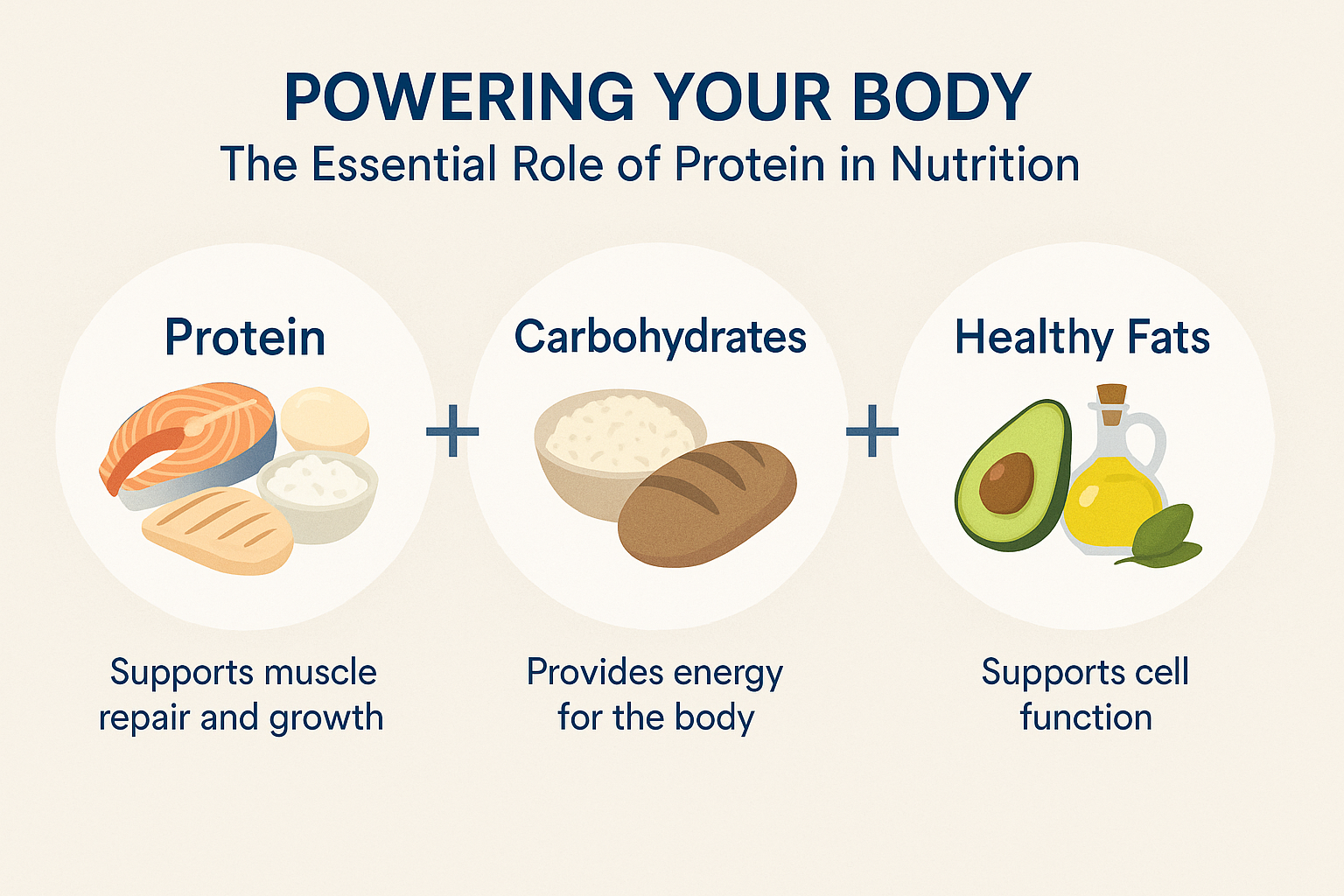
The Macronutrient Trifecta
- Protein: Supports muscle, hormones, metabolism, and satiety. Portion: Palm-sized (3-4 oz meat).
- Carbohydrates: Fuels energy, brain, and activity. Portion: Fist-sized (½-1 cup cooked rice/pasta).
- Healthy Fats: Aids brain, hormones, and vitamin absorption. Portion: 1-2 tbsp (olive oil, avocado).
Takeaway
Balance protein, carbs, and fats with micronutrients for optimal health. Every step toward balanced nutrition fuels a stronger you!
The content on the SheMed blog is provided for general informational and educational purposes only. While SheMed provides professional weight loss services and strives to ensure the information shared is accurate and up to date, we make no representations or guarantees as to its accuracy, completeness, or timeliness. This content should not be taken as personal medical advice or a substitute for consultation with a qualified healthcare provider. Always speak with your doctor or licensed medical professional about your individual health or medical needs before starting any new treatment or programme. Never disregard or delay seeking professional medical advice because of something you have read on this site. SheMed is not responsible for any actions you may take based on the information provided in this blog.