HIIT Workouts
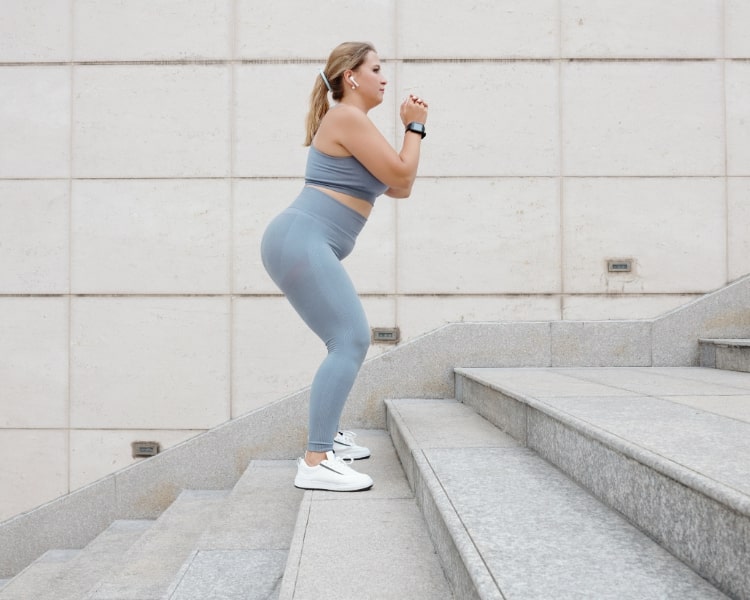
The Role of HIIT in Weight Loss
High-Intensity Interval Training (HIIT) has become one of the most effective ways for women to lose weight, improve fitness, and boost overall wellbeing—without long hours at the gym. For busy lives filled with work, family, and personal commitments, HIIT offers fast results in short, manageable sessions.
What is HIIT?
HIIT alternates short bursts of intense exercise with periods of rest or low-intensity movement. Sessions are usually 15–30 minutes, making them ideal for tight schedules.
Core principles:
- Intensity: Pushing close to your maximum effort.
- Intervals: Work periods of 20 seconds to 2 minutes, followed by recovery.
- Duration: Short, focused workouts for maximum impact.
Types of HIIT
- Tabata: 20 seconds on, 10 seconds off, repeated 8 times.
- EMOM (Every Minute on the Minute): Complete a set, then rest for the remainder of the minute.
- Circuit Training: Rotate through different exercises with little rest.
- Fartlek: Mix speeds and intensity during running or cycling.
Each style offers unique benefits, from building endurance to boosting full-body strength.
Why HIIT Works for Weight Loss
- Burns more calories in less time than steady exercise.
- Afterburn effect: Your body keeps burning calories for hours after finishing.
- Builds lean muscle, which raises metabolism and supports long-term weight management.
- Improves heart health, blood sugar regulation, and overall fitness.
HIIT for Women
Women often wonder if HIIT is too intense, risky for joints, or affected by hormonal changes. The good news: HIIT can be adapted for every level.
Safe modifications:
- Swap high-impact moves (like jump squats) for low-impact alternatives.
- Use longer rest periods if starting out.
- Adjust intensity during different phases of the menstrual cycle.
HIIT is also especially helpful for women managing conditions like PCOS, where it can support insulin sensitivity and weight control.
Building Your HIIT Routine
- Assess your fitness level: beginner, intermediate, or advanced.
- Set goals: e.g., 2–3 HIIT sessions per week.
- Pick exercises: combine cardio (burpees, sprints), strength (squats, lunges), and core (planks, twists).
- Plan intervals: start with 20 seconds on / 40 seconds off, and progress as fitness improves.
Equipment is optional—bodyweight workouts are effective—but dumbbells, resistance bands, or apps can help keep variety.
Staying Motivated
- Track progress with journals or apps.
- Find a workout buddy or join a community.
- Set realistic milestones and celebrate wins.
- Mix up styles and add energising music.
Mental & Emotional Benefits
Beyond weight loss, HIIT boosts mood, reduces stress, and increases confidence. The release of endorphins helps manage anxiety and improve overall wellbeing.
Safety First
Check with a doctor before starting if you have health conditions, are pregnant, postpartum, or over 50. Always warm up, cool down, stay hydrated, and listen to your body.
Final Word
HIIT is a powerful, flexible, and time-efficient way for women to lose weight, improve health, and feel stronger—physically and mentally. Success comes from consistency and personalisation: adapt the workouts to your body, your goals, and your lifestyle.
The content on the SheMed blog is provided for general informational and educational purposes only. While SheMed provides professional weight loss services and strives to ensure the information shared is accurate and up to date, we make no representations or guarantees as to its accuracy, completeness, or timeliness. This content should not be taken as personal medical advice or a substitute for consultation with a qualified healthcare provider. Always speak with your doctor or licensed medical professional about your individual health or medical needs before starting any new treatment or programme. Never disregard or delay seeking professional medical advice because of something you have read on this site. SheMed is not responsible for any actions you may take based on the information provided in this blog.