The Role of Omega 3
Omega-3s and Women’s Health: What You Should Know
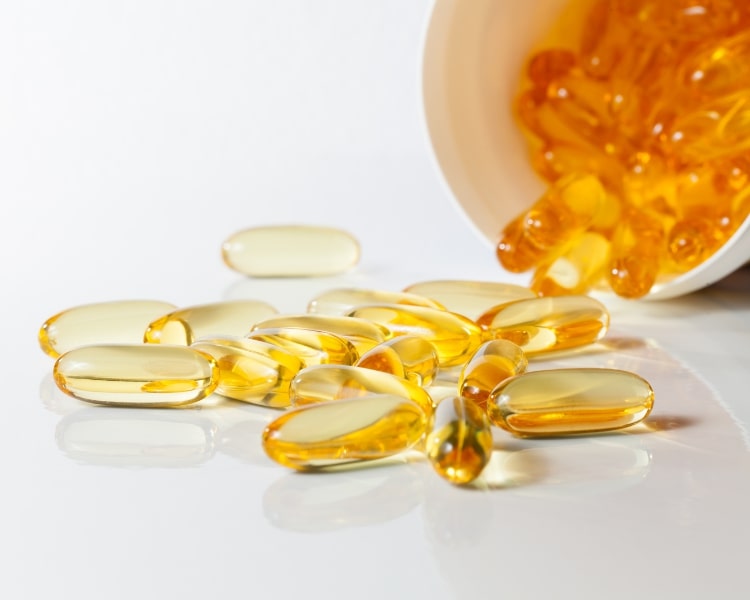
Omega-3 fatty acids are essential fats that support nearly every part of your body, especially your brain, heart, hormones, and metabolism. While they’re often talked about in the context of general health, omega-3s have specific benefits for women, particularly during key hormonal transitions like perimenopause, menopause, and beyond.
Types of Omega-3s
Omega-3 fatty acids are classified into three main types: eicosapentaenoic acid (EPA), docosahexaenoic acid (DHA), and alpha-linolenic acid (ALA). Each type has distinct sources and benefits

Why Omega-3s Matter More for Women
Unlike some nutrients that simply “support” wellness, omega-3s actively help the body balance itself, something that’s incredibly important for women whose hormones naturally fluctuate throughout life.
These fats may:
- Help regulate oestrogen and reduce symptoms related to PMS or menopause
- Lower inflammation, a key driver of chronic conditions and weight gain
- Support heart health – especially critical as heart disease remains the number one cause of death for women in the UK (BHF)
Omega-3s also play a central role in brain function. Some research suggests they may reduce the risk of depression, especially postpartum, and help support cognitive performance as we age.
Can Omega-3s Help with Weight?
The short answer: not directly – but they can support your weight management journey in several important ways.
Studies suggest omega-3s may:
- Increase satiety, helping you feel fuller for longer
- Improve metabolic rate, allowing your body to burn slightly more calories at rest
- Enhance fat oxidation, especially during exercise
- Reduce inflammation, which may support better insulin sensitivity and metabolic function
That said, omega-3s won’t lead to significant weight loss on their own. Their real power lies in supporting the systems that regulate weight, rather than causing pounds to drop.
Where to Get Your Omega-3s
The NHS recommends eating at least two portions of fish per week, with one being oily fish such as salmon, mackerel, or sardines (NHS). If you follow a plant-based diet, you may want to consider algae-based omega-3 supplements to ensure adequate DHA intake.
Quick meal ideas to increase your omega-3 intake:
- Grilled salmon with roasted vegetables
- Chia pudding with almond milk and berries
- Flaxseed added to your morning smoothie
Other Health Benefits of Omega-3s for Women
The benefits of omega-3s extend well beyond weight and hormones.
- Bone health: Omega-3s may reduce bone loss and inflammation, especially important after menopause
- Skin: They help with hydration, elasticity, and reducing inflammatory skin conditions like acne or eczema
- Eyes: DHA is a major structural fat in the retina, and omega-3s may reduce the risk of age-related macular degeneration and dry eye – more common in postmenopausal women
- Mood and cognition: DHA also supports brain health, with some evidence showing omega-3s may reduce symptoms of anxiety, depression, and cognitive decline later in life
Final Thoughts
Omega-3s may not be a weight loss miracle, but they’re a powerful ally in supporting long-term health, especially for women. From your heart and brain to your hormones, bones, and skin, getting enough omega-3s can help you feel stronger, more balanced, and more energised.
For most SheMed members, focusing on food first with options like oily fish, flax, chia, and walnuts is the simplest and most sustainable approach. Supplements are a helpful tool if you need extra support.
And remember: nutrition is just one part of the picture. A healthy, balanced lifestyle – sleep, movement, stress management, and support makes all the difference.
The content on the SheMed blog is provided for general informational and educational purposes only. While SheMed provides professional weight loss services and strives to ensure the information shared is accurate and up to date, we make no representations or guarantees as to its accuracy, completeness, or timeliness. This content should not be taken as personal medical advice or a substitute for consultation with a qualified healthcare provider. Always speak with your doctor or licensed medical professional about your individual health or medical needs before starting any new treatment or programme. Never disregard or delay seeking professional medical advice because of something you have read on this site. SheMed is not responsible for any actions you may take based on the information provided in this blog.