
When to Increase Your GLP-1 Dose on Mounjaro or Wegovy: How to Know, Whether You Have To, and What to Expect

Updated 16/07/26
Medically reviewed by Dr Matthew Noble, Chief Medical Officer.
Finding the right dose on a GLP-1 medication is not a one-size-fits-all process. Everyone responds differently, and the titration schedule you follow is designed to balance the medication's effectiveness with side effects you can realistically manage. Understanding how the dosing process works, and when and why adjustments are made, helps you feel confident throughout treatment rather than wondering whether you're on the right track.
How GLP-1 Dosing Works on Mounjaro and Wegovy
Both Mounjaro and Wegovy follow a gradual titration schedule, starting at a low dose and increasing over time. This approach exists for a specific reason: starting at a higher dose produces stronger side effects, particularly nausea and digestive discomfort, that make treatment difficult to tolerate and sustain. Starting low and going slowly gives the body time to adjust at each level before moving to the next.
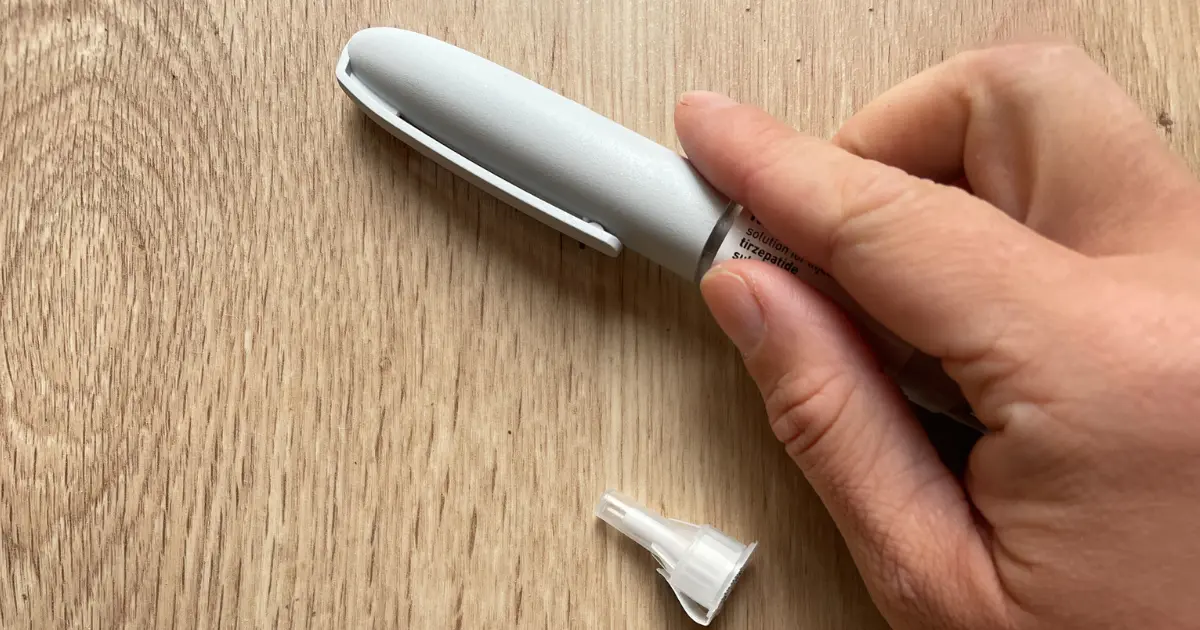
Mounjaro has a structured dose ladder. Treatment begins at 2.5mg weekly for the first four weeks, which is a starter dose designed to help your body adjust to tirzepatide rather than produce significant appetite suppression. The standard progression moves through 5mg, 7.5mg, 10mg, 12.5mg and 15mg, with four weeks at each level before considering an increase. The three principal treatment doses are 5mg, 10mg and 15mg. The intermediate doses of 2.5mg, 7.5mg and 12.5mg serve as stepping stones between them.
Wegovy follows a similar pattern with semaglutide, starting at 0.25mg weekly and titrating through 0.5mg, 1mg, 1.7mg and 2.4mg over approximately five months.
In practice, the schedule is a guide rather than a rigid timetable. If side effects are significant at any point, staying at the current dose for longer before moving up is the right clinical decision. Your SheMed clinician will work with you to pace the titration in a way that keeps treatment sustainable for you specifically.
When Should You Increase Your GLP-1 Dose?
The clearest signal that your current dose is still working is continued weight loss. If weight is coming off consistently, appetite is well controlled and side effects are manageable, there is generally no clinical reason to increase ahead of schedule. The titration schedule exists to minimise side effects as the body adjusts, not to rush you to the highest dose as quickly as possible.
The clearest signal that it might be time to increase is a plateau. If weight loss has stalled for four weeks or more, hunger is returning more noticeably between doses, or food noise is picking back up in a way that feels similar to before you started treatment, these are the indicators your current dose may no longer be producing the suppression it was. At that point, moving to the next dose level with your clinician's guidance makes clinical sense.
A useful benchmark we use at SheMed is a minimum weight loss of approximately 1% of starting body weight per month at a stable dose. If you are consistently below this at 5mg for several months, this would typically prompt a conversation about whether moving to 7.5mg is appropriate. Individual progress varies considerably, and this figure is a guide rather than a hard threshold. You can read more about why weight loss plateaus happen and how to work through them in our dedicated guide.
What doesn't warrant an immediate dose increase is a slow week or a difficult few days. Weight loss is not linear. A single week without progress, disrupted sleep, hormonal fluctuations around your cycle, or a period of higher stress can all produce a temporary stall that resolves without any medication change. Two to four weeks of consistent plateau rather than one difficult week is the more reliable threshold for action.
Do You Have to Increase Your GLP-1 Dose?
No, and this is worth being clear about because the titration schedule can feel like a mandatory programme when it isn't.
The dose increases on Mounjaro and Wegovy are designed to move most people toward the doses that produce the strongest clinical results - 15mg for Mounjaro and 2.4mg for Wegovy. These higher doses are where the most significant weight loss tends to occur in clinical trials. The SURMOUNT-1 trial found that participants on tirzepatide 15mg achieved an average weight loss of 20.9% of body weight, while the STEP 1 trial found semaglutide 2.4mg produced an average of 14.9%. But these are targets, not requirements, and the right dose for you is the lowest one that produces the results you are looking for with side effects you can manage.
Some women do very well at 5mg or 7.5mg Mounjaro and have no clinical reason to go further. If appetite is controlled, weight loss is progressing and side effects at the current dose are acceptable, staying at a dose that is working is a completely reasonable clinical decision. Your SheMed clinician can advise on whether your current dose is appropriate to maintain or whether moving up is likely to add meaningful benefit. NICE guidance TA1026 supports a personalised approach to dose management rather than a fixed escalation schedule.
What the titration schedule is specifically not designed to accommodate is rushing to the highest dose quickly. Moving up too fast, or increasing before the body has had time to adjust, is the most common cause of significant nausea and the kind of side effects that make people want to stop treatment entirely. Slower is often better.
What Happens When You Increase Your GLP-1 Dose?
Most people experience a temporary return of side effects when they move to a new dose, and knowing this in advance makes it considerably less alarming when it happens.
The nausea, digestive discomfort and fatigue that many people experience in the early weeks of treatment often return, usually in a milder form, when the dose increases. This is because the body is adjusting to a stronger level of medication. For most women, these symptoms follow the same pattern as the initial adjustment: worst in the first few days to a week, gradually improving over the following two to three weeks. Our guide to managing GLP-1 side effects covers the most effective approaches in detail.
Appetite suppression typically intensifies after a dose increase, which is the intended effect. Food noise often reduces noticeably in the first week at a new dose, and weight loss may accelerate briefly before settling into a new steady pace as the body recalibrates.
The practical advice for managing a dose increase well: take the injection on a day when you have the following day relatively free, particularly in the first week at a new dose. Eat small amounts rather than skipping meals entirely, keep protein intake up even when appetite is very suppressed, and stay well hydrated. Most women find the adjustment to a new dose is shorter and less intense than the initial adjustment to treatment.
If you miss a dose during a period of transition, our guide on what to do if you miss a Mounjaro dose covers exactly what to do depending on how many days have passed.
What Happens When You Reach Your Goal Weight?
Reaching your target weight doesn't mean stopping treatment immediately. The transition off GLP-1 medication needs to be managed carefully to protect the progress you've made.
Once you achieve your target, your SheMed clinician will work with you to determine the most appropriate next step. For some women this means continuing at the current dose to maintain weight while building the long-term dietary and lifestyle habits that will support maintenance independently. For others, it means stepping down to the next lower stable dose and monitoring whether weight remains stable at that level. Our full guide to stopping Wegovy covers the tapering process, withdrawal symptoms and how to keep the weight off in detail.
The goal throughout is gradual and sustainable weight management. GLP-1 treatment is not a quick fix but a clinical tool that, used well, creates the conditions for genuine long-term change. The dose that got you to your goal weight and the dose you need to maintain it may be different, and finding that maintenance dose is a clinical conversation rather than an assumption.
Frequently Asked Questions
When should I increase my GLP-1 dose?
When weight loss has plateaued for four weeks or more at a stable dose, hunger is returning noticeably between injections, or food noise is picking back up. A useful benchmark is less than 1% of starting body weight lost per month at a stable dose. Your SheMed clinician will guide this decision based on your progress and how well you are tolerating the current dose.
Do I have to go up to the highest dose on Mounjaro or Wegovy?
No. The highest doses are targets rather than requirements. If you are losing weight consistently and managing side effects well at a lower dose, there is no clinical reason to increase further. The right dose is the lowest one that produces the results you need with side effects you can manage.
What is the Mounjaro dose schedule?
Mounjaro starts at 2.5mg weekly for four weeks, then typically increases to 5mg, 7.5mg, 10mg, 12.5mg and 15mg, spending approximately four weeks at each level before considering an increase. The three principal treatment doses are 5mg, 10mg and 15mg. The intermediate doses serve as stepping stones between them. The full prescribing information is available via the electronic medicines compendium.
What day is best to take Mounjaro?
Mounjaro is a once-weekly injection, so the best day is simply whichever day works consistently with your routine, ideally the same day each week. Many people choose a day that's easy to remember, such as the start of the weekend, to help build a steady habit.
How long do you take GLP-1?
There's no fixed length of time for taking GLP-1 medication, it depends on your individual goals, response to treatment, and clinical guidance. Some people use it for a defined period to reach a target weight, while others continue longer term to maintain results in normal BMI range, always under medical supervision.
Can I stay on 7.5mg Mounjaro?
Yes, if it is working for you. Some women achieve their weight loss goals at 7.5mg and have no reason to increase further. Staying at a dose that is producing consistent results with manageable side effects is clinically appropriate. Your SheMed clinician can review your progress and confirm whether maintaining your current dose is the right approach.
What happens if I increase my dose too quickly?
Side effects, particularly nausea, vomiting and digestive discomfort, are significantly more likely and more intense when doses increase faster than the body can adjust. This is the most common reason people find treatment difficult to tolerate. If you have moved up too quickly and side effects are significant, your clinician may recommend stepping back to the previous dose temporarily and titrating more slowly.
How do I know if my GLP-1 dose is working?
Consistent weight loss of at least 1% of starting body weight per month, reduced hunger between doses, quieter food noise and more manageable portion sizes are the main indicators. If you are not seeing these at a stable dose after several weeks, it is worth discussing with your SheMed clinician whether a dose adjustment is appropriate.
Can I increase my dose faster than the standard schedule?
Not without clinical guidance. The titration schedule exists to protect you from side effects that make treatment unsustainable. Some individuals do tolerate faster titration, but this should be assessed and supervised by your clinician rather than self-managed. SheMed's clinical team will review your tolerance and progress at each stage and advise accordingly.
What if I need to stay on a lower dose for longer?
This is common and clinically appropriate. If side effects are significant at a new dose, staying at the current level for an additional four weeks or longer before attempting to increase again is the right approach. Treatment is a long-term programme and there is no clinical benefit to rushing the titration process at the expense of tolerability.
References
National Health Service. Tirzepatide (Mounjaro). nhs.uk
National Health Service. Semaglutide (Wegovy). nhs.uk
National Institute for Health and Care Excellence. Semaglutide for managing overweight and obesity. Technology Appraisal TA875. nice.org.uk
National Institute for Health and Care Excellence. Tirzepatide for managing overweight and obesity. Technology Appraisal TA1026. nice.org.uk
Jastreboff AM, Aronne LJ, Ahmad NN, et al. Tirzepatide once weekly for the treatment of obesity. SURMOUNT-1. New England Journal of Medicine. 2022;387(3):205-216.
Wilding JPH, Batterham RL, Calanna S, et al. Once-weekly semaglutide in adults with overweight or obesity. STEP 1. New England Journal of Medicine. 2021;384(11):989-1002.
Eli Lilly and Company. Mounjaro (tirzepatide) prescribing information. emc.medicines.org.uk
Novo Nordisk. Wegovy (semaglutide) prescribing information. emc.medicines.org.uk
The content on the SheMed blog is provided for general informational and educational purposes only. While SheMed provides professional weight loss services and strives to ensure the information shared is accurate and up to date, we make no representations or guarantees as to its accuracy, completeness, or timeliness. This content should not be taken as personal medical advice or a substitute for consultation with a qualified healthcare provider. Always speak with your doctor or licensed medical professional about your individual health or medical needs before starting any new treatment or programme. Never disregard or delay seeking professional medical advice because of something you have read on this site. SheMed is not responsible for any actions you may take based on the information provided in this blog.
Related Articles