



Best Collagen for Belly Fat: What the Evidence Actually Shows
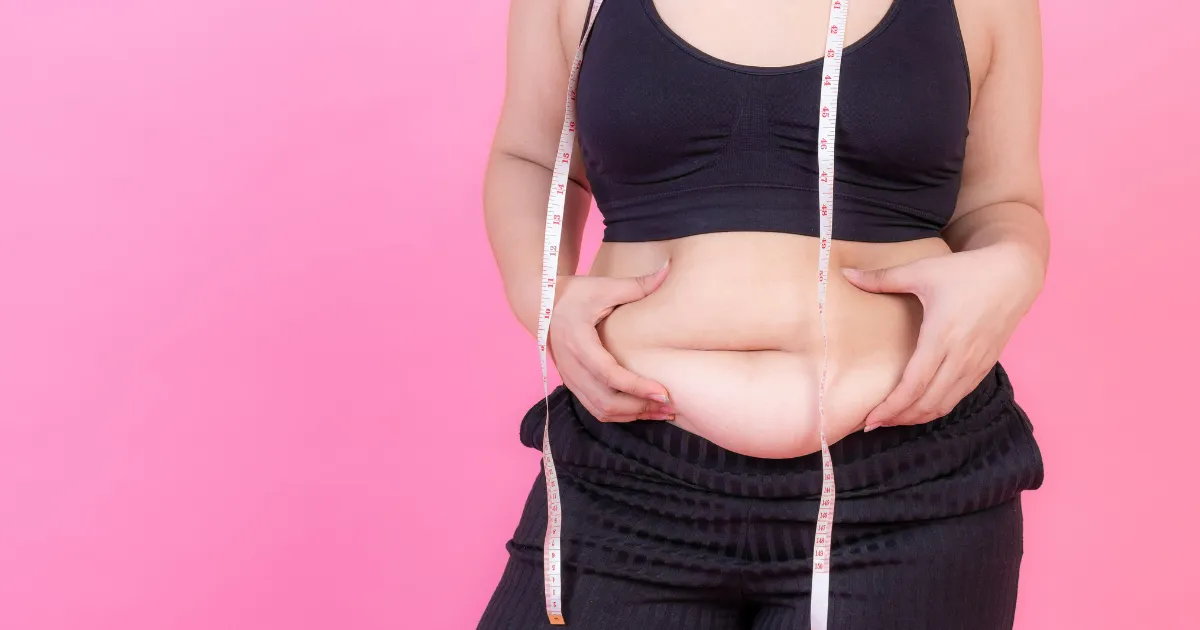
Collagen supplements are now being talked about a lot as part of a wellness routine for women trying to lose weight. Despite the extensive promises on the packaging, what the evidence is truly suggesting is that ideal collagen for stomach fat does not really exist. What the evidence is in fact suggesting is that there is absolutely no best collagen for stomach fat. The science is a little more nuanced than what's on the box.
In this article, we’ll show you the real facts of the research, the bovine/marine collagen debate, and most importantly, what really works in burning away your belly fat.
Key Takeaways
- Collagen is a protein supplement with modest evidence for supporting body composition changes, but it has not been shown to directly target belly fat in well-controlled trials.
- The satiety effect some women notice is likely a protein effect, not something unique to collagen specifically.
- Marine and bovine collagen are broadly comparable once hydrolysed; the choice comes down to dietary preference, not fat-loss outcomes.
- Collagen is a genuinely useful supplement for skin, joint, and connective tissue health, particularly during and after weight loss.
- For persistent belly fat in women, the most effective interventions address underlying hormonal and metabolic drivers, including clinician-led options like GLP-1 medication, not supplements alone.
Does Collagen Actually Help with Belly Fat?
What the Research Actually Shows
A total of 74 people, all aged 50 years or older, were recruited in 2023 and followed for 12 weeks. Each was assigned randomly to consume either 15 g of collagen peptides each day or a placebo (fake powder).
Both groups gained some body fat; the collagen group's fat increased 0.7kg. The placebo group's fat increased slightly.
Sounds good! But one thing, still. The two groups were no different if they focused on tummy fat (fat around your middle and around your organs). Yep, back to the collagen thing again!
Why? The Collagen group ate approximately 9 g more protein daily only from the powder. The placebo contained no protein. Just more protein on its own can help you burn some fat.
Don't just brush collagen off as worthless! But the claim that "collagen fights belly fat" makes no such promise. And what happened might likely be a simple protein effect.
Why Collagen Gets Conflated with Weight Loss
Loads of women have said that their appetite feels to reduce once on collagen. A mum on Mumsnet said: “I feel more satisfied after meals, I'm snacking less and feel fuller quicker”. A few more than that went on to say the same thing but then some had also upped their protein and cut their carbs at the same time.
Collagen is protein, it is protein to fill you up. But it can't reduce appetite as a prescription GLP-1 medication would. And it's not going to burn belly fat either if it doesn't have the fundamentals: a marginal calorie deficit and sufficient total protein intake.
Collagen as a Protein Source
How Collagen Compares to Other Protein Sources
Collagen is a doddle. Easy to mix in, almost tasteless and you can add to your coffee, yoghurt, or smoothie. Perfectly helpful if you struggle to meet your protein requirements. A scoop (10-15g) gives you approximately 9-12g of protein with very few calories.
But here's the thing! Collagen is NOT a "complete protein." It has less of one of the nine essential amino acids your body needs (tryptophan) and it contains fewer of the muscle-making building blocks than whey, eggs, or soy.
Why is this important? If you're losing weight, you don't want to lose your muscle. Your muscles drive your metabolism. That is key if you're peri-menopausal and beyond.
Want to know more about the weight loss benefits of protein? Read our post on high protein diet for weight loss.
A Supplement, Not a Substitute
Collagen is a pretty, welcome addition to a weight-loss diet that already contains plenty of protein. If you're looking to support your skin and joints while trying to shed the pounds, this is wonderful.
It isn't a replacement for meat, fish, eggs, beans, or dairy. Collagen will provide support when you're not getting enough protein. The real complete protein foods will also keep your muscle intact.
Marine Collagen vs Bovine Collagen: Does the Type Matter?
What the Evidence Says About Absorption
Marine collagen comes from fish (scale and skin). Bovine collagen is from cows. They both are cut in small pieces so your body can absorb it easily.
Some brands might boast that marine collagen is 1.5 times better absorbed. It was found that bovine, porcine, and fish collagen were equally well absorbed in a 2024 randomised crossover trial published in Frontiers in Nutrition . When collagen breaks down, your body has no idea if it was bovine, fish, or porcine.
it really does come down to dietary preference" said one UK nutritionist. Both the two varieties mainly belong to Type I collagen, the most common type of collagen found in your tendons, skin, and bones. There is no evidence for either of them being better for body fat.
Choosing Based on Dietary Preference
Don't eat much beef or want something else for fish? Go marine. Want a cheaper and more accessible type? It's usually bovine. Either of them will do for your skin if you are on a weight loss programme.
Shop for simplicity! Look for collagen products containing "hydrolysed collagen peptides" as first on the list of ingredients in smaller amounts (5,000 Daltons or less) on list, with minimal additives and a clear ingredient list.
What Actually Reduces Belly Fat?
Most articles will skip this part so let’s be direct. Burning fat from the belly is similar to burning fat elsewhere in the body. Consume slightly fewer calories than you burn, consume some protein to maintain your muscle, and if you're a woman, think about what's going on with your hormones.
As you're entering perimenopause or menopause, your body is accumulating more fat around the middle because your oestrogen is declining. This is the same with PCOS, insulin resistance does the same thing. But when you've been on several diets and gained weight several times over, it really gets complicated. None of the supplements can do all of that by itself.
GLP-1 drugs like Wegovy (semaglutide) and Mounjaro (tirzepatide) work on the messages the hormones send the body to control hunger and how it stores fat. There's evidence that they're best at targeting fat, including around the tummy, and total body fat mass when combined with lifestyle changes. In this women's weight loss programme, she will have a blood test, clinical assessment, GLP-1 (if appropriate) and ongoing support from a GP and clinical team.
If you've exhausted all efforts to reform your diet and your belly still won't budge, then you might not need to buy any more supplements! Have a thorough consultation with a clinician.
We also have articles on supplementing your fat loss, omega 3's and fat loss, and magnesium and fat loss. We use supplements with integrity. We understand their limitations and have no wish to sell you something you don't need.
How to Use Collagen Sensibly as Part of a Weight Loss Plan
Realistic Expectations
If you are already eating a high-protein diet and want to add collagen as a convenient protein top-up, it is a reasonable choice. Are you on the lookout for collagen for women over 50, which can slim your tummy? Do not hurry with your decision. The modest fat mass changes in research are likely caused by the protein in the supplement, but not by some collagen based mechanism, and the changes were also minimal.
What Collagen Can Genuinely Support
There are other things that are more strongly supported by science. Studies still come out that show collagen can help your skin stay supple and hydrated. This is good news if you're losing weight, and your skin is stretching. It will also help your joints, and connective tissue.
The good news is that the same collagen peptides being studied in the fat studies are the same peptides being studied for skin. Meaning you don't have to buy separate products.
One of the Mumsnetters who had lost weight with the collagen injection said it straightforwardly: "I can't say what I would have been like without the collagen but it's not done any harm". She also believed her skin was gradually improving.
That's pretty much right about collagen in a roundabout kind of way. Great for your skin and your joints, great for your protein intake, and no meaningful direct effect on that belly fat.
Bestie Tip
Collagen is not going to give you a flat stomach, but that does not mean it is not worth taking. If you are losing weight and you are worried about your skin or your joints, adding a good hydrolysed collagen is a smart move. Add it to your morning coffee, mix it into yoghurt, stir it into soup.
What it won't do is replace the work of eating enough protein overall, being in a calorie deficit, or, if your body needs more support, talking to a clinician about what else might be getting in the way. Think of it as one genuinely useful piece of a bigger picture, not the whole picture itself.
Frequently Asked Questions
Does collagen help with weight loss?
A little, indirectly. It's protein and can fill you up and may even help you shed some fat when you're in a calorie deficit, but it won't make you lose weight by itself. Other full proteins that have a beneficial impact on your muscle might work better.
What type of collagen is best for belly fat?
None. Neither of the types does in particular target belly fat. Marine and bovine are absorbed about the same and provide similar results. So pick the one that fits you, not the one with the loudest marketing.
Can collagen reduce belly fat on its own?
No. The 2023 clinical trial most often cited showed modest total fat reduction, but the belly fat and visceral fat differences between the collagen and placebo groups were not statistically significant.
Is collagen worth taking while on Mounjaro, Wegovy or Foundayo?
Yes, it can be a good bonus. These medications reduce your appetite so much that you miss your protein by a mile. Collagen is a simple and simple way to supplement it without over-eating. Read this article for more information about losing weight with supplements.
What is the best collagen for women over 50?
Look for hydrolysed collagen peptides (or collagen hydrolysate) of either Type I or Type III, preferably 5,000 Daltons or less. Marine or bovine both work well. Avoid anything with a large amount of added sugar, or any proprietary blends that hide how much collagen you're getting in each dose.
The Bottom Line
Collagen is a good supplement for your skin, hair, nails, your joints, and as a protein supplement. But it's not a good supplement for losing belly fat as there's no evidence that it more specifically targets belly fat, and advertising has gone too far here.
Eating right and the belly fat still won't shift! The next step to a flat belly is not to increase your collagen consumption, but a clinical assessment. She Med's women's weight loss programme is designed exactly for that conversation.
Want clinician-led support for persistent belly fat?
SheMed offers blood testing, clinical assessment and GLP-1 treatment where appropriate, with ongoing GP support throughout.
Find out more about SheMed's women's weight loss programme →
References
- Park et al. (2023) – Effects of low molecular collagen peptide supplementation on body composition in elderly adults. Clin Nutr Res.
- Frontiers in Nutrition (2024) – Comparative plasma uptake of bovine, porcine and fish collagen hydrolysates
- NHS – Food supplements: who needs them and when
- British Dietetic Association – Collagen supplements fact sheet
- Healf (2024) – Marine vs bovine collagen explained
The content on the SheMed blog is provided for general informational and educational purposes only. While SheMed provides professional weight loss services and strives to ensure the information shared is accurate and up to date, we make no representations or guarantees as to its accuracy, completeness, or timeliness. This content should not be taken as personal medical advice or a substitute for consultation with a qualified healthcare provider. Always speak with your doctor or licensed medical professional about your individual health or medical needs before starting any new treatment or programme. Never disregard or delay seeking professional medical advice because of something you have read on this site. SheMed is not responsible for any actions you may take based on the information provided in this blog.
Related Articles

