
PCOS (PMOS) and Sleep: Poor Sleep and Sleep Apnoea Explained

Sleep problems like sleep apnea (or apnoea, in UK spelling) are more common in PMOS and are frequently missed, partly because the symptoms women observe look very different from what most doctors are trained to recognise.
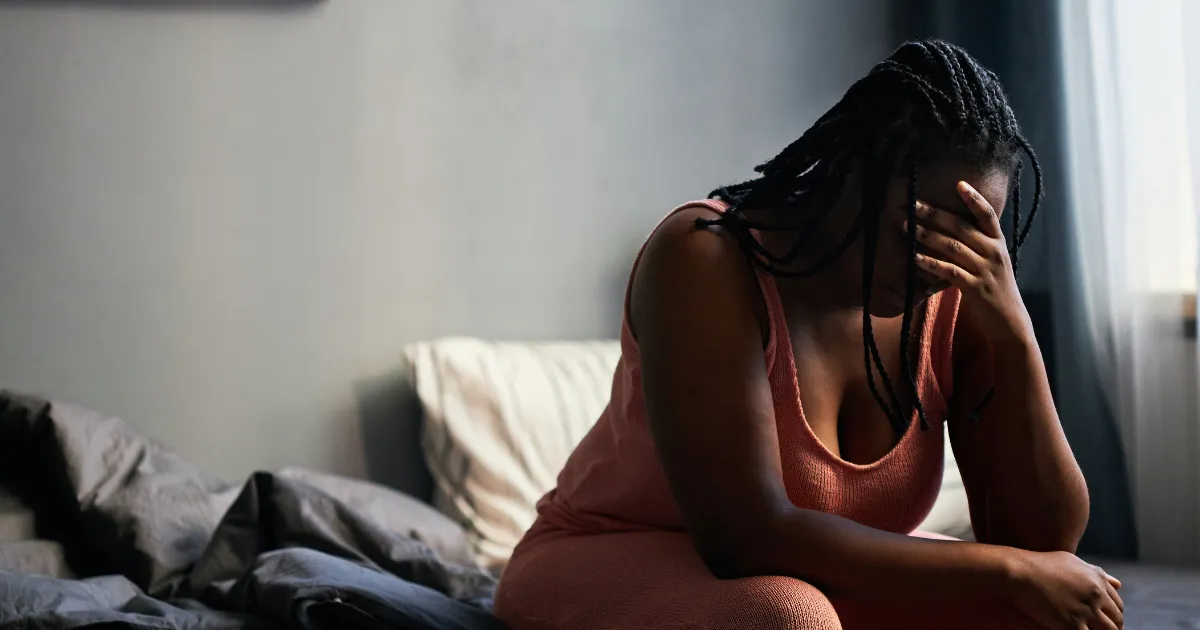
You go to bed at a decent time, you sleep eight or nine hours, and you wake up exhausted. This may sound familiar, because for women with PMOS (formerly PCOS), feeling unrefreshed no matter how much sleep you get is very common. It is not laziness, low willpower or "just stress."
We’ve covered what the research actually shows, what to watch for, and what the NHS can do about it in this article.
Key Takeaways
● Poor sleep and sleep apnoea are both more common in women with PMOS, but they are often dismissed as tiredness from the condition itself.
● A 2025 meta-analysis found sleep apnoea in around 37% of women with PCOS, compared with 6% in those without it (8 studies, 942 women; evidence rated low-certainty).
● Women's symptoms are often subtler. Insomnia and daytime fatigue rather than loud snoring, which is why it gets missed.
● The NHS can test for sleep apnoea, often at home, and provides CPAP machines free of charge if needed.
● Speak to your GP if you snore and wake unrefreshed, feel very sleepy in the day, or fall asleep in situations where you need to be alert.
How Does PMOS Affect Sleep?
What the Research Shows
The 2023 International Evidence-Based Guideline for PCOS management clearly states that sleep disorders are increased in women with PCOS. It recommends that women with PCOS, along with symptoms such as snoring, waking unrefreshed, or daytime sleepiness, should be assessed for sleep apnoea.
Many studies show that women with PCOS report poorer sleep quality, more difficulty falling and staying asleep, and greater daytime sleepiness compared with women without the condition.
There’s a community on Reddit called r/PCOS where threads about exhaustion gather hundreds of replies. One of them said, "Do any of y'all get excessive daytime sleepiness?" and had comments like sleeping 10+ hours and still struggling to stay awake at work.
Some of them were diagnosed with separate sleep disorders, while others found their fatigue improved when they addressed insulin resistance through dietary changes or medication. Many, however, had spent years being told their tiredness was simply a PMOS symptom to manage.
Why Sleep May Be Disrupted With PMOS
There isn’t a single reason for poor sleep in PMOS. It’s usually several factors working together:
● Hormonal imbalance - Disrupted oestrogen, progesterone and LH levels in PMOS affect the body's natural sleep-wake regulation. There’s research that says raised androgen levels in the body play a role in sleep architecture.
● Insulin resistance - Your blood glucose fluctuations affect energy and alertness. High insulin levels overnight can also disrupt sleep quality.
● Low mood and anxiety – Both of these are very common in PMOS, and you would already know how they disrupt sleep. Difficulty dropping off, early waking, and light, unrestful sleep are all usually caused by anxiety. If that’s you, you can read a bit more about it in our article on PMOS and mental health.
● Period pain and irregular cycles – Many of you know how pelvic pain, bloating and hormonal shifts across an irregular cycle can make sleeping through the night much harder. You can read more about it here: PCOS periods and pain.
● Weight and body composition – Higher weight is often associated with sleep apnoea and poor sleep quality in general.
Sleep Apnoea and PMOS: What Is the Link?
What Is Sleep Apnoea?
Sleep apnoea is when the walls of the throat relax and narrow during sleep, interrupting normal breathing.
There are two main types described by the NHS: obstructive sleep apnoea (OSA), where the throat physically narrows or closes; and central sleep apnoea, where the brain does not send the right signals to the breathing muscles.
OSA is a more common type and is the one associated with PMOS. In this, your sleep gets disrupted by each breathing pause, which can last from a few seconds to a minute or more. And it can happen multiple times at night. You may not have the memory of waking up multiple times, but your body remembers.
How Common Is It in PMOS?
The numbers may shock you. A 2025 systematic review and meta-analysis published in Frontiers in Endocrinology pooled data from 8 cross-sectional studies and 942 women and found that 37% of women with PMOS suffer from sleep apnoea, as compared to 6% without it.
That’s 6 times higher!
Within the PCOS group, 40% of adults were affected compared with 29% of adolescents, indicating that the risk increases with age. The odds of sleep apnoea in women with PCOS were more than 9 times higher than in those without.
However, it is important for you to know that the studies were small and varied in how they measured sleep apnoea. So think of these as signals, not precise figures.
Why Might PMOS Raise the Risk?
Many mechanisms contribute to the increased risk. Raised androgens may affect upper airway muscle tone and reduce the drive to breathe during sleep. Insulin resistance and abdominal fat increase pressure on the airway. Chronic low-grade inflammation, common in PMOS, may also affect respiratory control. But again, we don’t have conclusive evidence for these.
The same 2025 meta-analysis found that the risk of sleep apnoea was significantly higher in overweight and obese participants than in those of normal weight. This suggests that body weight does play a significant role, though it is not the whole picture.
Is It Only About Weight?
No. Higher weight does increase the risk of sleep apnoea, but women across a range of body sizes suffer from it. Roughly a quarter to a third of people with sleep apnoea are not overweight. So, if you have symptoms of sleep apnoea, you must get it checked.
Sleep Apnoea Symptoms in Women With PMOS
Sleep apnoea often does not look like what most of us would imagine. In our heads, it’s probably a large man who snores loudly, wakes his partner and is visibly falling asleep during the day. This may not be the full picture, particularly for those with PMOS.
Night-Time Signs
The NHS lists the following signs of sleep apnoea during the night:
● Your breathing stops and starts. A partner may notice this more than you do.
● You snore loudly. In women, snoring is often quieter and may be described as mouth-breathing or sighing.
● You wake up a lot, sometimes gasping or feeling short of breath.
● You need to get up to use the toilet frequently during the night.
● You have a dry mouth or sore throat when you wake up.
● You have headaches when you wake up.
Daytime Signs
Tiredness That Does Not Improve
Tiredness even after sleeping eight or nine hours is one of the most common things women with PMOS experience. During those multiple breathing pauses, your brain wakes you just enough to restart your breathing, then you drop back off.
The result is an exhaustion that rest simply does not fix. Most women with PMOS simply ignore it, attributing it to a symptom of the condition itself. This delays a sleep apnoea test for years.
Concentration and Mood
During the day, you may feel difficulty concentrating, mood changes, and low mood. These are again common in PMOS, causing diagnostic confusion.
Why Women's Symptoms Are Often Missed
Insomnia, restless sleep, morning headaches, anxiety and low mood, loud snoring and obvious daytime collapse are the usual signs of sleep apnoea in women. Clinicians have traditionally associated them with the condition.
But as Professor Esther Rodriguez-Villegas, a sleep researcher, notes, women's symptoms tend to be milder and are frequently attributed to hormonal changes, stress or the PMOS diagnosis itself. This means women wait longer for a correct diagnosis and are more likely to be treated for depression or anxiety first.
Bestie Tip
Symptoms of sleep apnoea in women that are most likely to be missed: insomnia or frequent waking rather than obvious snoring; fatigue rather than clear daytime sleepiness; and mood changes rather than cognitive complaints. Knowing this can help you advocate for yourself at a GP appointment.
When to See a GP and How Sleep Apnoea Is Diagnosed in the UK
When to Speak to Your GP
The 2023 International PCOS Guideline recommends that any woman with PCOS who has symptoms of snoring together with waking unrefreshed, excessive daytime sleepiness, or persistent fatigue should be assessed for sleep apnoea. You must see your GP if -
● You regularly snore and wake up feeling like you haven't slept.
● You feel very sleepy or struggle to stay awake during the day, even after adequate sleep.
● A partner or family member has noticed you stop breathing during sleep.
● You have frequent morning headaches, dry mouth, or wake up gasping.
One important safety point: if you feel very sleepy while driving, do not drive and speak to your GP promptly. Drowsy driving is a significant road safety risk.
What Happens Next
Questionnaires and Referral
Your GP will ask you about your symptoms using a questionnaire. If it seems to them that sleep apnoea is likely, they will refer you to a sleep clinic or arrange a sleep apnoea test.
However, NICE does suggest that people with suspected OSA should be offered a home sleep test before in-laboratory investigation for most cases.
Home Sleep Tests
An at-home sleep test involves wearing a small monitoring device overnight that measures your oxygen levels, airflow and body movement. It’s pretty easy to use. NHS sleep apnoea home tests are provided through your GP referral. There are some private home sleep tests available online as well. You can use the NHS free services for both testing and treating sleep apnoea.
Treating Sleep Apnoea and Improving Poor Sleep With PMOS
Treating Sleep Apnoea
Sleep apnoea is treatable, and for most women, an effective treatment can be life-changing. The NHS offers a range of options depending on the severity -
● CPAP (Continuous Positive Airway Pressure) machine – It gently pushes air through a mask while you sleep, keeping the airway open. CPAP machines are provided free on the NHS if clinically indicated. It is one of the most effective treatments for many women and has been shown to improve energy and concentration within weeks.
● Mandibular advancement devices – These are dental devices that gently move the jaw forward to keep the airway open. They are usually used for mild to moderate OSA or when CPAP is not tolerated.
● Positional advice – Sometimes something as simple as sleeping on your side rather than your back can reduce apnoea
● Lifestyle changes – Weight management can reduce or sometimes even cure sleep apnoea. You can read our PCOS weight loss guide to know about approaches that fit the metabolic profile of PMOS. Apart from that, reducing alcohol and stopping smoking also help.
Sleep Habits That May Help
Irrespective of whether you have sleep apnoea or not, the below habits can support better sleep if you suffer from PMOS -
Evening Routine
· Going to bed and waking at the same time every day, including weekends
· Doing something relaxing in the last hour before bed such as reading or a warm bath
· Keeping a notepad nearby to write down any worries rather than lying in bed with them circling.
The point is having a consistent schedule that tells your body to wind down as it’s time to sleep.
Bedroom, Screens and Caffeine
· Keeping your bedroom cool, dark and quiet
· Cutting screen time at least an hour before bed to encourage melatonin production
· Avoiding caffeine after midday
· Avoiding alcohol within a few hours of sleep
We know that alcohol does help many of you fall asleep faster, but it significantly reduces sleep quality in the second half of the night.
Movement and Timing
· Regular physical activity.
Timing matters for physical activity. We’ve written a guide on PCOS-friendly exercise that covers approaches that work with your body.
A low-GI meal helps in keeping blood glucose stable overnight rather than causing the spikes and crashes that can disrupt sleep.
When Insomnia Needs Support
If your sleep difficulties are about not being able to fall or stay asleep, rather than the sleep apnoea symptom of waking unrefreshed, the NHS suggests cognitive behavioural therapy for insomnia (CBT-I) as the first line of treatment. It is usually more effective than sleeping tablets for most people, and addresses the thought patterns and habits that maintain poor sleep.
You can ask your GP, or self-refer to NHS Talking Therapies, which offers CBT-I programmes. We do not recommend using sleeping tablets, melatonin or any other supplements long-term without guidance from a GP.
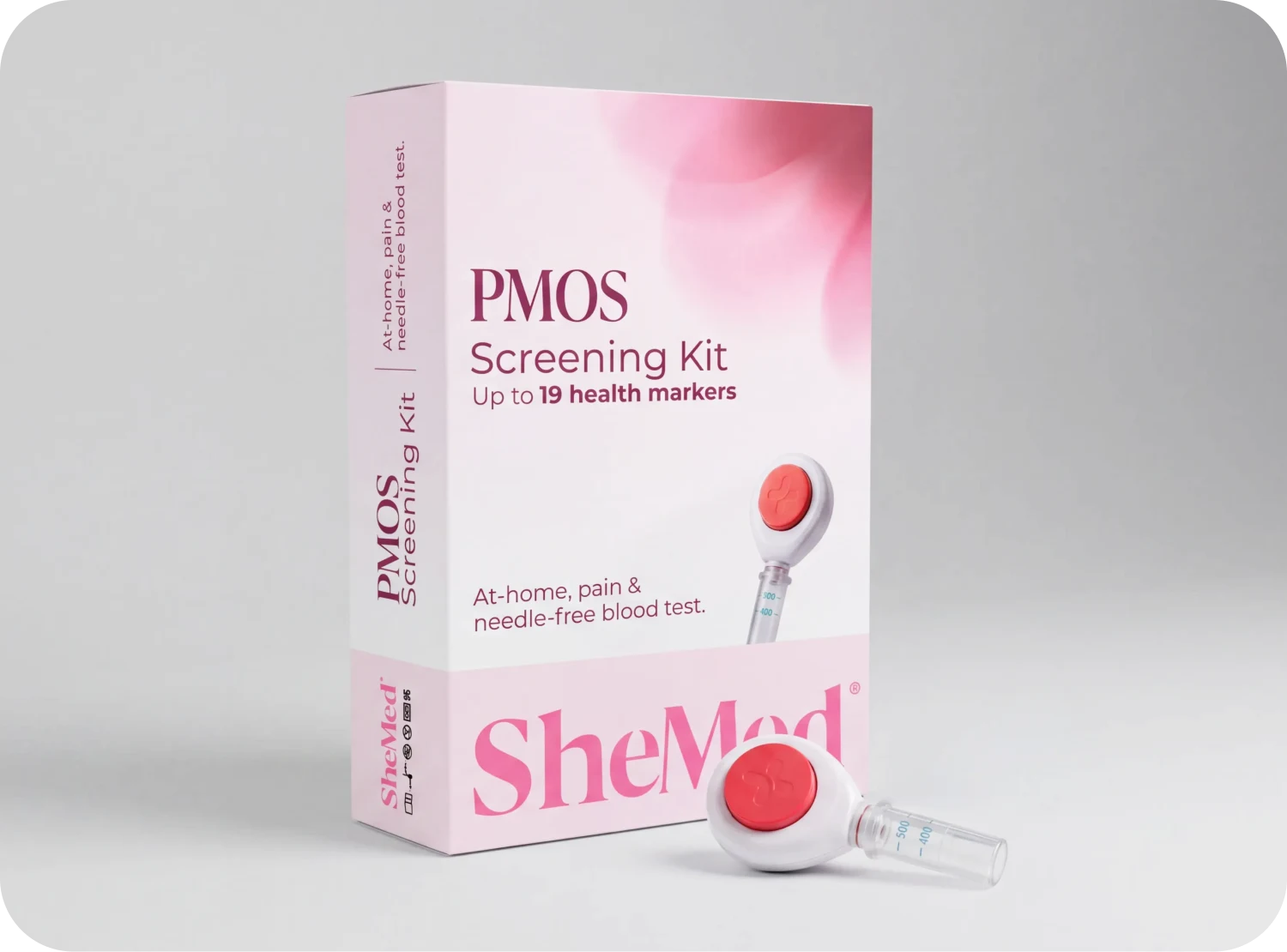
Want to Understand Your Hormones? Try the PMOS Screening Kit
If you feel you have PMOS, but have not been diagnosed yet, SheMed’s PMOS Screening Kit checks up to 19 hormone and metabolic markers from home using a painless Tasso+ sample, with a GP-led review of your results.
While it does not test sleep or diagnose sleep apnoea, it does give you a useful starting point if you’re trying to know whether PMOS is behind your symptoms.
Bestie Tip
If you have been told your exhaustion is "just PCOS" or "just stress" and you know, deep down, that something is not right about your sleep, trust that instinct. Waking up tired every single day is not something you have to accept. Push for a referral. Ask about a sleep test. You deserve to know what's actually going on. 💜
Frequently Asked Questions
Can PCOS cause sleep apnoea?
Research shows that sleep apnoea is more common in PCOS. A 2025 meta-analysis found 37% of women with PCOS had sleep apnoea versus 6% without it. However, there are multiple factors, including androgens, insulin resistance, and weight, that contribute.
Does PCOS affect sleep?
Yes. Studies of PCOS find that women report poorer sleep quality, more difficulty falling and staying asleep, and greater daytime sleepiness than women without the condition. The 2023 International PCOS Guideline explicitly recommends assessing for sleep disorders. Factors like hormonal imbalance, insulin resistance, anxiety, and period pain are likely contributors.
Do women with PCOS need more sleep?
The NHS notes that everyone needs a different amount of sleep, and the most useful measure is whether you feel rested. Women with PCOS often need the same number of hours as anyone else but feel worse despite sleeping more. This suggests that their sleep quality, not quantity, is the problem. Sleep apnoea and poor sleep architecture may be worth looking at in such cases.
Can lack of sleep cause PCOS?
Research shows an association between sleep disruption and hormonal and metabolic changes relevant to PCOS, but the evidence cannot show that poor sleep causes PMOS. The relationship may be bidirectional. Improving sleep can support overall hormonal and metabolic health, but it is not a treatment for PMOS itself.
Why am I so tired all the time with PCOS?
Persistent tiredness in PMOS can have several causes: disrupted sleep from sleep apnoea or insomnia, blood glucose instability from insulin resistance, low mood or anxiety, thyroid issues (more common in PMOS), low iron or vitamin D, or the cumulative effect of managing a chronic condition.
Should I be tested for sleep apnoea if I have PMOS?
The 2023 PCOS Guideline recommends that women with PCOS who snore and wake unrefreshed, have daytime sleepiness, or persistent fatigue should be assessed for sleep apnoea. If that’s you, let your GP know about it. An NHS sleep apnoea test at home is available, straightforward, and free on referral.
How can I sleep better with PCOS?
Start with the basics: consistent sleep and wake times, a screen-free wind-down, a cool, dark bedroom, and cutting caffeine after midday. Address insulin resistance through a balanced, low-GI diet and regular movement. If anxiety or low mood is disrupting your sleep, NHS Talking Therapies can help. And if you snore, wake unrefreshed, or feel exhausted despite sleeping enough, ask your GP about a sleep test.
Suspect PMOS but not yet diagnosed?
The PMOS Screening Kit checks up to 19 hormone and metabolic markers from home, with a GP-led review. It does not test sleep, but it can help build a clearer picture of what's going on. Find out more about the PMOS Screening Kit.
References
● International evidence-based guideline for the assessment and management of PCOS 2023 (PMC10505534)
● NHS – Sleep apnoea: symptoms, causes, diagnosis and treatment
● NICE guideline NG202 – Obstructive sleep apnoea/hypopnoea syndrome in over 16s
● AASM Sleep Education – Women with PCOS may have a higher risk of sleep apnea
● Sleep Apnoea Trust – NICE and sleep apnoea (UK prevalence and risk groups)
● NHS Every Mind Matters – How to fall asleep faster and sleep better
● HuffPost UK – Sleep Apnoea Can Look Different For Women Than Men
The content on the SheMed blog is provided for general informational and educational purposes only. While SheMed provides professional weight loss services and strives to ensure the information shared is accurate and up to date, we make no representations or guarantees as to its accuracy, completeness, or timeliness. This content should not be taken as personal medical advice or a substitute for consultation with a qualified healthcare provider. Always speak with your doctor or licensed medical professional about your individual health or medical needs before starting any new treatment or programme. Never disregard or delay seeking professional medical advice because of something you have read on this site. SheMed is not responsible for any actions you may take based on the information provided in this blog.
Related Articles