Understanding Body Image

Updated 03/07/25
Medically reviewed by SheMed's Clinical Team.
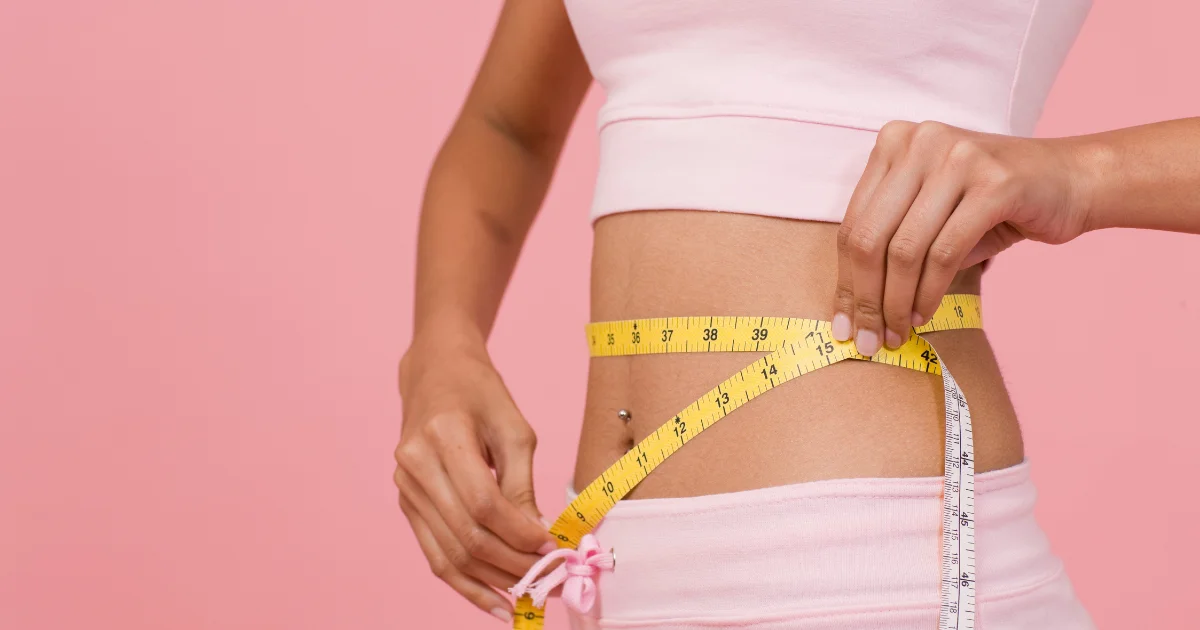
Body image is the term used to describe how you think and feel about your body. It's shaped by your thoughts, your experiences and the messages you've absorbed over a lifetime, and it plays a real role in your mental health and wellbeing, not just how you feel when you look in a mirror.
Having concerns about your body image is common, and it isn't a mental health problem in itself. But it can be a genuine risk factor for one. Body dissatisfaction is linked to a poorer quality of life and reduced emotional wellbeing, and it's also associated with a higher risk of unhealthy eating behaviours, including stress eating, binge eating, and eating disorders. Understanding where these feelings come from is the first step to responding to them with more compassion.
There's also research suggesting that people who are overweight often struggle more with body image, partly as a result of societal stigma around weight. These external messages tend to get internalised over time, shaping how someone feels about their own reflection regardless of their actual health. This internalised stigma can be just as damaging as the original comment or message, since it continues long after anyone else has said anything at all. Weight loss isn't the only route to a better body image, but for some people it can play a genuine role, alongside the other steps covered further down.
Why Body Image Deserves Real Attention
It's tempting to treat body image as a minor, purely cosmetic concern compared to physical health. In reality, the two are closely connected. How you feel about your body shapes your eating patterns, your willingness to exercise, your relationships, and even your day to day mood. Dismissing body image as unimportant tends to make it harder to address the behaviours that actually stem from it.
Recognising body image as a legitimate part of your overall health, rather than a separate, lesser concern, is often the first real step toward improving it.
What Causes Body Image Concerns?
Body image is shaped by a wide mix of experiences, and what affects one person may have little impact on another. Research points to several common contributing factors.
Comments From Others
The way family and friends talk about their own bodies, or yours, shapes how you come to feel about your own. Even well-meaning comments can leave a lasting impression, for better or worse.
Cultural and Ideal Body Types
Pressure to match a particular cultural or societal body ideal can distort how you see your own, entirely normal, body shape.
Social Media
Constant exposure to idealised, filtered, and often unrealistic bodies, without much visible diversity, can quietly warp how you view your own reflection over time.
Long-Term Health Conditions
Health conditions that affect your weight can bring real frustration, especially when your efforts don't seem to change the outcome, which can lead to feelings of anger or demotivation.
Gender and Sexuality
Discrimination, intersectional experiences, and differing societal expectations can all contribute to body dissatisfaction tied to gender identity and sexual orientation.
Personal Experiences
Bullying, teasing, or other difficult experiences related to appearance can leave a lasting mark, often through comments that get internalised and repeated to yourself long after the original moment has passed.
Peer Comparison
Comparing your body to others, especially people close to your own age or social circle, is one of the most common and persistent drivers of body dissatisfaction.
Physical Activity Levels
Involvement, or lack of involvement, in sport and fitness can shape body image, particularly when there's pressure to achieve a body type associated with a specific sport or activity.
Mental Health
Conditions like depression, anxiety, and eating disorders can significantly change how a person perceives their own body, sometimes distorting that perception well beyond how they actually look.
How Negative Body Image Can Affect Your Life
The effects of poor body image tend to extend well beyond how you feel about your appearance.
Diet and Exercise
Stress, poor diet, and excess weight can all affect the neurotransmitters that regulate mood. This, in turn, can influence body fat distribution and further affect body image, creating a cycle that can be hard to break without addressing the underlying stress itself.
Relationships and Intimacy
Poor body image can make relationships and intimacy harder to navigate, often through insecurity, lowered self-esteem, and difficulty feeling fully present during intimate moments.
Low Self-Esteem
Negative perceptions of your own appearance can chip away at self-worth and confidence over time, and in some cases contribute to broader mental health challenges like anxiety and depression.
Social Isolation
Feeling self-conscious or fearing judgement from others can lead to withdrawing from social situations altogether, gradually reducing your overall sense of connection and belonging.
Employment and Daily Life
Reduced confidence and heightened self-doubt can affect professional life too, sometimes making it harder to meet clients, attend meetings, or perform tasks that involve being visible to others.
Steps to Improve Your Body Image
Body image can have a significant impact on daily life, but there are concrete steps that can help you build a more positive, sustainable relationship with your body over time.
Talk to Someone You Trust
Share your concerns with a friend, family member, or healthcare professional. Talking it through often helps you see things about yourself beyond appearance, and gives you a space to work through the feelings rather than carrying them alone.
Clean Up Your Social Media
Unfollow accounts that leave you feeling worse about yourself, and follow accounts that reflect a genuinely diverse range of body types. What you see repeatedly shapes what starts to feel "normal," so it's worth being deliberate about it.
Set a Positive Example
Speaking about yourself with kindness doesn't just support your own mental health. It also shapes how the people around you, particularly younger people, learn to talk about their own bodies.
Understand Your Emotions
On a difficult body image day, the real cause is often an unrelated emotion that's landed on your reflection instead. Pause and get curious about what's actually going on for you before assuming it's about your body at all.
Change Your Language
Casual body comments, even ones intended as compliments like "you're looking great, have you lost weight?", quietly reinforce the idea that smaller bodies are inherently better. Being more mindful of this language, both toward others and yourself, helps break that pattern.
Stay Active
Regular movement you actually enjoy can genuinely improve how you feel about your body, alongside boosting mood and reducing stress. The type of activity matters less than finding something that feels good to you specifically.
Frequently Asked Questions
Is having body image concerns a mental health condition?
No, body image concerns aren't a mental health condition on their own, but they can be a risk factor for mental health difficulties, including anxiety, depression, and disordered eating. If concerns are persistent or affecting your daily life, it's worth speaking to a healthcare professional.
Can losing weight improve body image?
For some people, weight loss can play a role in improving body image, but it isn't the only or most reliable route. Addressing the underlying causes, such as social media exposure, comparison, and self-talk, tends to have a broader and more lasting effect.
How can I stop comparing my body to others?
Reducing exposure to comparison triggers, particularly on social media, is a good starting point. Practising self-compassion and focusing on what your body allows you to do, rather than how it looks compared to others, also helps shift the pattern over time.
When should I speak to someone about body image struggles?
If negative thoughts about your body are frequent, intense, or affecting your eating, mood, or daily functioning, it's worth speaking to a friend, family member, or healthcare professional. Support early on tends to help more than waiting until things feel unmanageable.
References:
- Mental Health Foundation, 2023, Body Image Report Executive Summary.
- Schwartz M and Brownell K, 2004, Obesity and body image, Body Image, 1 (1), Pages 43-56..
- Chao HL, Body image change in obese and overweight persons enrolled in weight loss intervention programs: a systematic review and meta-analysis. PLoS One. 2015 May 6;10(5):e0124036. doi: 10.1371/journal.pone.0124036.
- Epel E et al., 2001, Stress may add bite to appetite in women: a laboratory study of stress-induced cortisol and eating behavior, Psychoneuroendocrinology, 26 (1), pages 37-49,
- Afshari P, Houshyar Z, Javadifar N, Pourmotahari F, Jorfi M. The Relationship Between Body Image and Sexual Function in Middle-Aged Women. Electron Physician. 2016 Nov 25;8(11):3302-3308. doi: 10.19082/3302.
- UK Parliament, 2022, The impact of body image on mental and physical health.
- Pop LM, Iorga M, Iurcov R. Body-Esteem, Self-Esteem and Loneliness among Social Media Young Users. Int J Environ Res Public Health. 2022 Apr 21;19(9):5064. doi: 10.3390/ijerph19095064.
The content on the SheMed blog is provided for general informational and educational purposes only. While SheMed provides professional weight loss services and strives to ensure the information shared is accurate and up to date, we make no representations or guarantees as to its accuracy, completeness, or timeliness. This content should not be taken as personal medical advice or a substitute for consultation with a qualified healthcare provider. Always speak with your doctor or licensed medical professional about your individual health or medical needs before starting any new treatment or programme. Never disregard or delay seeking professional medical advice because of something you have read on this site. SheMed is not responsible for any actions you may take based on the information provided in this blog.
Related Articles