Weight Loss Anxiety on GLP-1 Treatment: Why It Happens, What Triggers It and What Actually Helps

Medically reviewed by SheMed's Clinical Team.
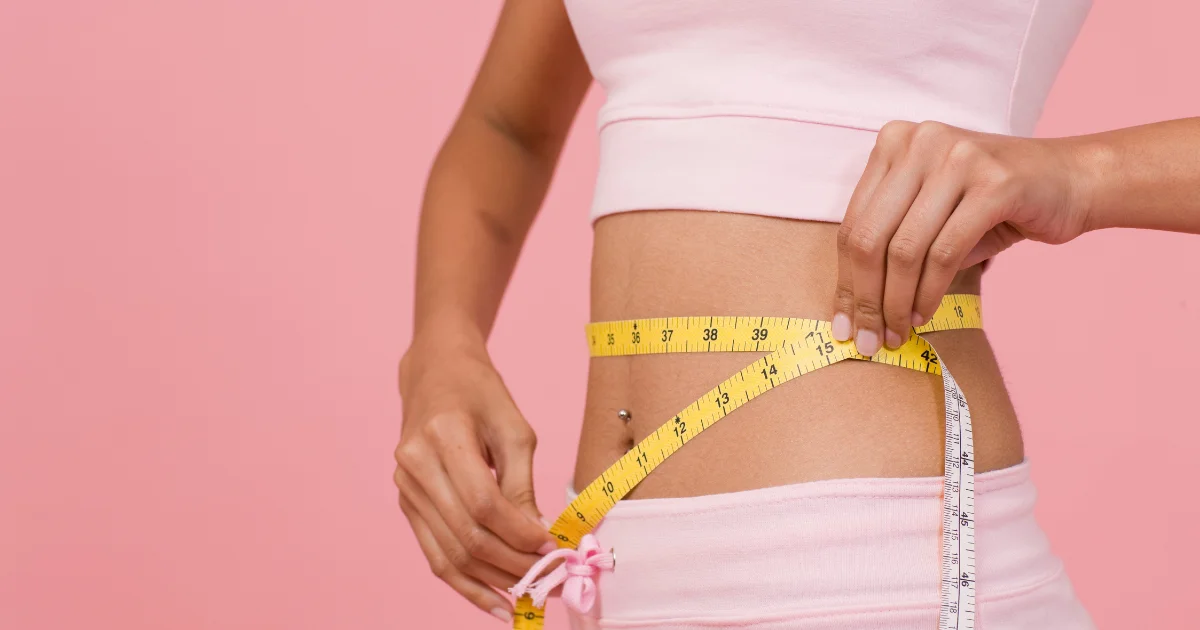
Losing weight on Mounjaro or Wegovy produces results that most people hope for. It can also produce anxiety that most people don't expect and rarely talk about. Body image anxiety, fear of regain, social anxiety around eating differently, and the emotional adjustment to a changing body are all commonly reported by women on GLP-1 treatment — and they are rarely addressed in the clinical literature or by providers. This article covers why weight loss anxiety happens, what specifically triggers it during GLP-1 treatment, the difference between anxiety caused by weight loss and anxiety that causes weight loss, and what evidence-based strategies actually help.
Does Anxiety Cause Weight Loss, or Does Weight Loss Cause Anxiety?
This is worth clarifying at the outset because the relationship runs in both directions and they are often confused.
Anxiety causing weight loss is a real and well-documented physiological phenomenon. Chronic anxiety activates the sympathetic nervous system and elevates cortisol and adrenaline, which increase metabolic rate and suppress appetite. Some people with chronic anxiety disorders lose weight unintentionally as a result of reduced appetite, nausea and elevated resting energy expenditure. If you are experiencing unexplained weight loss without being on a weight management programme, anxiety is one potential cause worth discussing with your GP.
Weight loss causing anxiety is a different phenomenon and the more clinically relevant one for women on GLP-1 treatment. Rapid, significant body change - even when it is intentional and welcome - triggers psychological responses that can produce anxiety, particularly around body image, social identity, relationships with food, and fear of regaining the weight. This is the type of anxiety this article addresses.
The two are related but distinct. The physiological mechanism is different, the treatment approach is different, and conflating them leads to confusion about what is actually happening.
Why Rapid Weight Loss on GLP-1 Treatment Can Trigger Anxiety
The speed of change on Mounjaro and Wegovy is clinically unusual compared to most weight loss methods, and speed matters psychologically as much as physiologically.
Most women who lose significant weight over years have time to adjust their self-image, their social patterns and their relationship with food incrementally. GLP-1 medications can produce 10 to 20% body weight loss over six to twelve months — faster than the mind and identity have historically kept pace with the body. This creates a psychological gap that manifests in several ways.
Body image disruption. Some women find that even as weight reduces, their internal body image doesn't update at the same pace. They continue to feel larger than they are, experience confusion when they see themselves in mirrors or photographs, or feel disconnected from their changing body. This dissociation is a recognised psychological response to rapid physical change and is more common than most people realise.
Fear of regain. As weight comes off, many women develop significant anxiety about losing it again — checking the scale obsessively, becoming hypervigilant about food choices, feeling anxious about social eating situations, or catastrophising about what happens when treatment ends. This is one of the most commonly reported forms of weight loss anxiety and is often most intense in months three to six when results become visible and the stakes feel higher.
Social and relational anxiety. Rapid weight loss changes how other people interact with you, which is not always comfortable. Comments from friends and family - even well-intentioned ones - can trigger anxiety about whether you are being perceived differently, whether the attention is sustainable, or whether your relationships were partly contingent on your previous appearance.
Loss of food as a coping mechanism. GLP-1 medications reduce the emotional salience of food - the comfort, reward and anxiety-relief functions that food served before treatment. For women who used food as a primary coping mechanism for stress or difficult emotions, losing this mechanism without replacing it creates a gap that can manifest as generalised anxiety or increased emotional dysregulation.
Can Rapid Weight Loss Cause Panic Attacks?
Yes, and there are two distinct pathways through which this can happen.
The first is physiological. Rapid calorie restriction and significant weight loss can produce electrolyte imbalances - low sodium, potassium and magnesium - that cause heart palpitations, dizziness, shortness of breath and chest tightness. These physical sensations can trigger panic attacks in people who are predisposed to health anxiety, particularly when the sensations are unfamiliar and their cause is not understood. If you are experiencing physical symptoms that feel like panic attacks during GLP-1 treatment, electrolyte status is worth checking with your clinician before attributing the symptoms to psychological anxiety alone.
The second pathway is psychological. The identity disruption and hypervigilance around body change described above can escalate in some women to full panic responses, particularly around food situations, scale weighting or social events involving eating. Cognitive behavioural therapy has robust evidence for treating panic disorder and is a first-line NICE-recommended treatment.
If you are experiencing panic attacks during GLP-1 treatment, raise it with your SheMed clinician. There may be both physiological and psychological components that warrant different responses.
Health Anxiety and Weight Loss
Health anxiety deserves specific attention because it is one of the more challenging forms of weight loss anxiety and one that GLP-1 treatment can inadvertently worsen.
Health anxiety involves persistent worry about having or developing a serious illness, with excessive focus on physical symptoms as potential evidence of disease. GLP-1 treatment produces numerous physical changes - altered digestion, changes to bowel habits, fatigue, changes to menstrual cycles, nausea - that are normal side effects of the medication but can become significant sources of anxiety for women with health anxiety tendencies.
The medication's success can paradoxically worsen health anxiety in some women. As weight reduces and metabolic health improves, blood tests and health markers often improve significantly. Rather than providing reassurance, this can shift health anxiety focus to new concerns - is the weight loss too fast, is the medication causing harm, are the side effects serious. Health anxiety tends to shift its focus rather than resolve with reassurance, which is why seeking professional psychological support is more effective than seeking more clinical reassurance.
If health anxiety is significantly affecting your experience of GLP-1 treatment - driving frequent unplanned consultations, obsessive symptom checking, or significant distress about the medication - this is worth raising directly with your SheMed clinician and potentially your GP. Effective psychological support alongside the medical treatment produces considerably better outcomes than managing either in isolation.
Does Losing Weight Help Anxiety?
For many women, yes - but the relationship is not straightforward and the evidence is nuanced.
Several well-conducted studies have found that weight loss through both lifestyle intervention and bariatric surgery is associated with significant improvements in anxiety symptoms in many patients. The mechanisms are multiple: improved metabolic health reduces cortisol and inflammatory markers that contribute to anxiety. Improved mobility and reduced pain reduce the physical stressors that worsen anxiety. Improved self-efficacy and confidence have positive psychological effects. And for women with conditions including PCOS and insulin resistance, improved hormonal balance has direct neurological effects on mood and anxiety regulation.
At the same time, a meaningful proportion of patients experience increased anxiety during and after significant weight loss - through the mechanisms described earlier in this article. Research suggests this is more likely in women who had significant psychological drivers for eating before treatment, women with pre-existing anxiety disorders, and women who lose weight very rapidly.
The clinical picture is therefore individual rather than universal. For most women on GLP-1 treatment, psychological wellbeing improves as treatment progresses and results consolidate. For a significant minority, additional psychological support is warranted and should be treated as a normal part of comprehensive weight management rather than a sign that something has gone wrong.
What Actually Helps Weight Loss Anxiety
These are the approaches with the strongest evidence base and the most practical relevance for women on GLP-1 treatment.
Acknowledge that it is a real and common experience. The first step is naming what is happening rather than dismissing anxiety about weight loss as irrational or ungrateful. The anxiety makes clinical sense given the pace of change and the psychological significance of body image. Treating it seriously rather than pushing through it is more effective.
Separate the scale from your self-assessment. Daily weighing during active weight loss on GLP-1 treatment provides data that is more likely to generate anxiety than insight, given normal weight fluctuations of 1 to 2kg based on hydration, digestion and hormonal cycles. Weighing once a week at the same time and conditions, tracking body measurements alongside weight, and shifting focus toward energy levels, fitness markers and how clothes fit reduces the scale's psychological hold significantly for most women.
Develop alternative coping mechanisms before the food coping mechanism disappears. If food has historically served as comfort, stress relief or reward, GLP-1 treatment will reduce its effectiveness in this role. Consciously developing alternative coping strategies — exercise, social connection, creative activity, mindfulness, adequate sleep - before the food salience reduces, rather than after the gap has already appeared, produces considerably better psychological outcomes.
Cognitive Behavioural Therapy (CBT). CBT is NICE-recommended for anxiety disorders and has specific evidence for body image anxiety and health anxiety. It addresses the thought patterns that maintain anxiety rather than just managing symptoms, and produces durable results. Many women find that even a short course of six to twelve sessions produces significant and lasting improvement in weight loss anxiety.
Talk to your SheMed clinician. Weight loss anxiety is a recognised part of the GLP-1 treatment experience and your clinical team can offer both direct support and appropriate referral if needed. It is not a sign of weakness or ingratitude for the medication's results. It is a predictable psychological response to a significant physical change that deserves the same clinical attention as any other treatment consideration.
Supporting Someone with Weight Loss Anxiety
Weight loss anxiety is often invisible to the people around someone undergoing rapid body change. Comments that are intended as compliments - "you look amazing", "you've lost so much weight", "keep going" - can inadvertently intensify anxiety by increasing performance pressure, drawing attention to a body that still doesn't feel comfortable, or reinforcing the idea that the person's value is tied to their size.
The most supportive approach is to follow the person's lead on whether they want to discuss their weight loss, avoid unsolicited comments about physical appearance, show interest in how they are feeling rather than how they look, and respond to expressions of anxiety about regain or body change with validation rather than reassurance-seeking behaviour.
Frequently Asked Questions
Can anxiety cause weight loss?
Yes. Chronic anxiety elevates cortisol and adrenaline, which increase metabolic rate and suppress appetite, producing unintentional weight loss in some people. This is distinct from anxiety caused by intentional weight loss. If you are experiencing unexplained weight loss without being on a weight management programme, discuss it with your GP as anxiety is one of several potential causes worth investigating.
Can rapid weight loss cause anxiety?
Yes, and this is particularly relevant for women on GLP-1 medications like Mounjaro and Wegovy. Rapid body change can trigger body image disruption, fear of regain, social anxiety around eating, and loss of food as a coping mechanism - all of which can produce significant anxiety. This is a recognised and underreported part of the GLP-1 treatment experience.
Does weight loss anxiety go away on its own?
For some women, yes — it reduces naturally as the body change stabilises and the new body becomes familiar. For others, particularly those with pre-existing anxiety tendencies or significant psychological drivers for eating, additional support is needed. CBT has strong evidence for treating weight loss and body image anxiety specifically.
Can weight loss cause panic attacks?
Yes, through both physiological and psychological pathways. Electrolyte imbalances from rapid weight loss can cause physical symptoms that trigger panic. Psychological anxiety about body change can escalate to panic responses in some women. If you are experiencing panic attacks during GLP-1 treatment, raise it with your SheMed clinician as there may be both physical and psychological components to address.
Does losing weight help with anxiety?
For many women, yes. Improved metabolic health, reduced inflammation, hormonal improvements and increased self-efficacy are all associated with reduced anxiety symptoms in research on weight loss outcomes. However, a significant minority experience increased anxiety during rapid weight loss, particularly around body image and fear of regain. The relationship is individual rather than universal.
What is health anxiety related to weight loss?
Health anxiety involves persistent worry about illness, which can focus on GLP-1 medication side effects, the pace of weight loss, or changing physical symptoms during treatment. GLP-1 treatment's many physical changes can become significant anxiety triggers for women with health anxiety tendencies. Psychological support alongside clinical care is more effective than seeking additional medical reassurance.
How common is weight loss anxiety on Mounjaro or Wegovy?
It is more common than clinical literature currently reflects, largely because it is underreported and poorly captured in trial data. SheMed's clinical experience and patient data suggests a meaningful proportion of women on GLP-1 treatment experience some form of weight loss anxiety during treatment, with peak prevalence in months three to six when results are most visible and the psychological adjustment is most active.
Should I tell my clinician about weight loss anxiety?
Yes, always. Weight loss anxiety is a recognised part of the treatment experience and your SheMed clinician can offer support, adjust your care plan if needed, and refer you for appropriate psychological support. It is a clinical matter that deserves the same attention as physical side effects.
References
National Health Service. Unintentional weight loss. nhs.uk
National Health Service. Anxiety, fear and panic. nhs.uk
National Institute for Health and Care Excellence. Generalised anxiety disorder and panic disorder in adults: management. NICE Guideline CG113. nice.org.uk
National Institute for Health and Care Excellence. Depression in adults: treatment and management. NICE Guideline NG222. nice.org.uk
Jumbe S, Hamlet C, Meyrick J. Psychological aspects of bariatric surgery as a treatment for obesity. Current Obesity Reports. 2017;6(1):71-78.
Burgmer R, Legenbauer T, Muller A, de Zwaan M, Fischer S, Herpertz S. Psychological outcome 4 years after restrictive bariatric surgery. Obesity Surgery. 2014;24(10):1670-1678.
Sheets CS, Peat CM, Berg KC, et al. Post-operative psychosocial predictors of outcome in bariatric surgery. Obesity Surgery. 2015;25(8):1internship-1528.
Jastreboff AM, Aronne LJ, Ahmad NN, et al. Tirzepatide once weekly for the treatment of obesity. SURMOUNT-1. New England Journal of Medicine. 2022;387(3):205-216.
Kvam S, Kleppe CL, Nordhus IH, Hovland A. Exercise as a treatment for depression: a meta-analysis. Journal of Affective Disorders. 2016;202:67-86.
The content on the SheMed blog is provided for general informational and educational purposes only. While SheMed provides professional weight loss services and strives to ensure the information shared is accurate and up to date, we make no representations or guarantees as to its accuracy, completeness, or timeliness. This content should not be taken as personal medical advice or a substitute for consultation with a qualified healthcare provider. Always speak with your doctor or licensed medical professional about your individual health or medical needs before starting any new treatment or programme. Never disregard or delay seeking professional medical advice because of something you have read on this site. SheMed is not responsible for any actions you may take based on the information provided in this blog.
Related Articles