

We’ve all heard the paradox: someone can be “thin but unhealthy” or “overweight but fit.” Why does the Body Mass Index (BMI) often fail to predict who develops conditions like Type 2 Diabetes? The problem is that focusing solely on total weight misses the crucial factor: where your body stores fat. The solution lies in understanding the Personal Fat Threshold (PFT) hypothesis.
This new concept explains that your risk for metabolic disease isn’t about your total fat, but about exceeding your body’s unique capacity to store fat safely under the skin. When that limit is breached, fat spills into vital organs, disrupting their function. This article will explain what your PFT is, why protecting your organs matters more than the number on the scale, and how you can manage your risk regardless of your current weight.
Understanding the Personal Fat Threshold (PFT) - Body’s Storage Tank
The PFT hypothesis proposes that each individual has a genetically and lifestyle-determined limit for how much fat can be safely stored in subcutaneous adipose tissue. This subcutaneous storage acts as a protective “fat tank,” allowing the body to sequester surplus energy away from essential organs.
Problems arise when the tank is full. If one continues to take in more energy than they expend, the excess fat has nowhere to go but to “spill over” into places it doesn’t belong: your liver, pancreas, heart, and muscles. This dangerous spillover is called ectopic fat accumulation.
The PFT model clarifies why two people with the same BMI can have vastly different health profiles. One may have a larger, more resilient subcutaneous tank, while the other hits its overflow point much sooner.
The Protective Mechanism and the Overflow Crisis
Storing fat under the skin is not inherently problematic; in fact, it serves a protective purpose. Subcutaneous fat is relatively inert and helps keep excess energy away from vital organs, where its presence can disrupt normal cellular processes. However, when the body’s PFT is breached, the overflow of fat into visceral and ectopic locations marks the beginning of metabolic crisis. This overflow is particularly dangerous because visceral fat located deep within the abdominal cavity surrounds organs and is metabolically active, producing hormones and inflammatory signals that interfere with normal metabolism.
The Organ Danger Zone: Why Visceral Fat is the Villain
When fat accumulates in your organs, it’s not just inert storage; it becomes metabolically toxic. A liver clogged with fat (hepatic steatosis) becomes less responsive to insulin, the hormone that tells cells to absorb sugar from the bloodstream. Similarly, fat in the pancreas can impair the organ’s ability to produce insulin effectively. This dual dysfunction, insulin resistance coupled with impaired insulin secretion, is the direct pathway to Type 2 Diabetes. Crucially, this process is independent of overall body size. Some individuals have a very low PFT, meaning even at a “normal” BMI, their subcutaneous tank is full, and fat is spilling into their organs, putting them at high risk.
The Role of Genetics and Lifestyle
Your genetics lay the foundation for your PFT by influencing the number and expandability of your subcutaneous fat cells. This is the “nature” component, why some people seem to gain weight easily without immediate metabolic issues, while others show signs of insulin resistance with only modest weight gain. However, lifestyle is a powerful modifier.
A diet high in processed sugars and fats, combined with physical inactivity, accelerates insulin resistance. This effectively lowers your functional PFT, causing you to hit your spillover point faster. Conversely, a healthy lifestyle can maximise your genetic potential, helping your subcutaneous fat tissue remain functional and protective for longer.
How to Estimate Your PFT Risk
Failing to diagnose a patient by relying on BMI alone risks missing critical metabolic pathology. Assessing waist circumference and waist-to-hip ratio provides direct clinical insight into visceral adiposity and Personal Fat Threshold overflow, which are superior predictors of insulin resistance and cardiometabolic risk.
The Best Indicator: Waist Measurement (Not Weight)
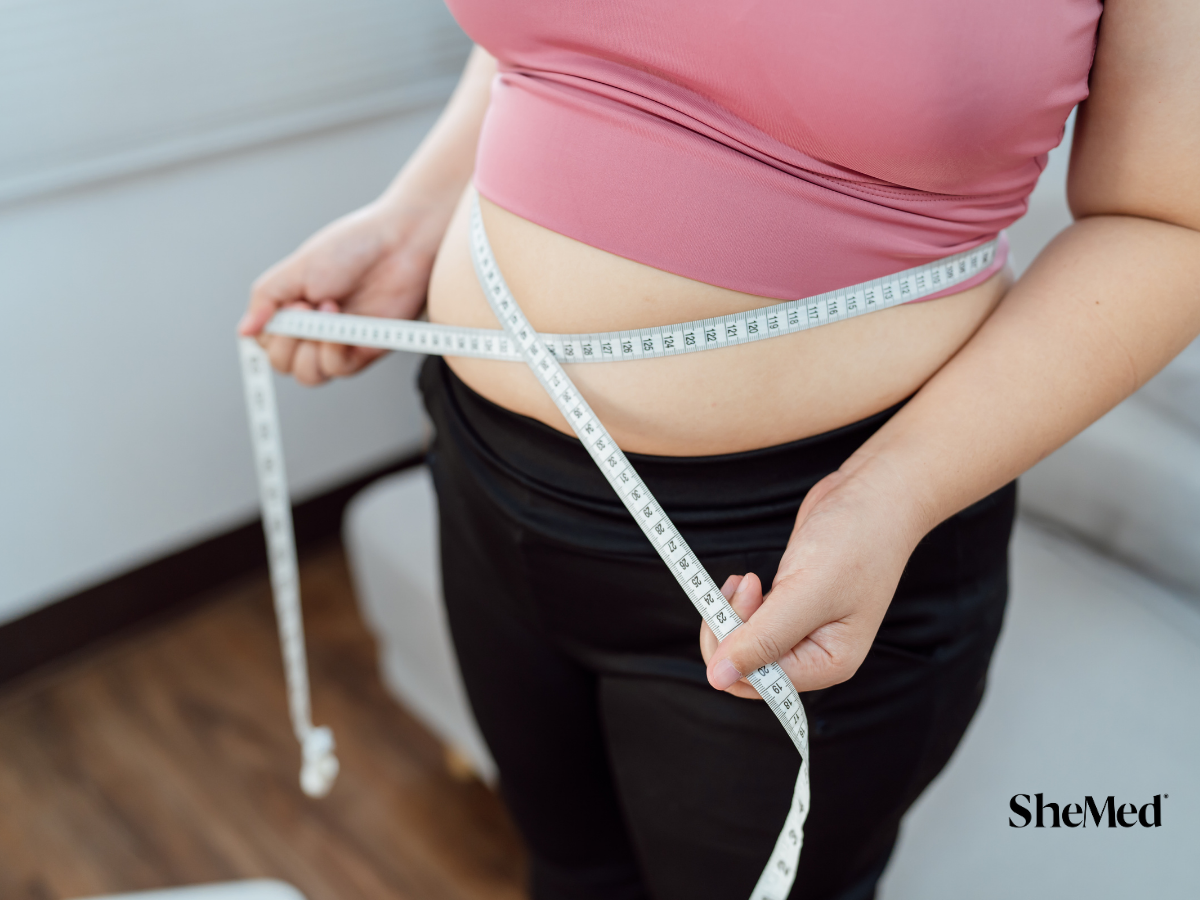
Since the PFT crisis is about visceral fat accumulation, the best proxy is measuring your abdominal circumference. This simple tape measure test is a more direct gauge of metabolic risk than your total weight.
- Actionable Tip: Measure your waist at the midpoint between the bottom of your ribs and the top of your hipbones, typically right at the navel. Exhale normally and measure.
- High-Risk Thresholds: A waist circumference greater than 94 cm (37 in) for men and 80 cm (31.5 in) for women indicates a heightened likelihood of exceeding your PFT and carrying dangerous visceral fat. For South Asian populations, thresholds are lower due to differing body composition patterns.
- Caveat: Very muscular individuals may have a large waist without high visceral fat, so this is a screening tool, not a diagnosis.
The Secondary Check: Waist-to-Hip Ratio
This waist-to-hip ratio provides additional context by comparing abdominal fat to gluteal fat. Lower-body fat (hips and thighs) is generally subcutaneous and less metabolically risky.
- Actionable Tip: Measure your waist as above, then measure your hips at their widest point. Divide your waist measurement by your hip measurement.
- Healthy Ratios: Aim for 0.95 or lower for men and 0.80 or lower for women. A higher ratio suggests a more central, android (apple-shaped) fat distribution, which correlates with a higher risk of metabolic disease.
Increasing Your Threshold: The Action Plan
The goal is to lower the fat burden on your organs and improve your body’s insulin sensitivity, effectively raising your functional PFT.
- Prioritise Insulin Sensitivity
This is the cornerstone. Improving how your cells respond to insulin reduces the hormonal signal to store fat, helps mobilise existing fat stores, and takes pressure off your liver and pancreas. - Lower-Carb, Whole Food Focus
Refined carbohydrates and sugars cause rapid spikes in blood glucose and insulin, directly promoting fat storage and driving insulin resistance.
Actionable Tip: Reduce ultra-processed foods, sugary drinks, and refined grains. Build your meals around whole foods: non-starchy vegetables (broccoli, leafy greens), quality proteins (fish, poultry, legumes), healthy fats (avocado, nuts, olive oil), and high-fibre, complex carbohydrates (berries, quinoa, sweet potato). This approach stabilises blood sugar and reduces insulin demand.
- Move Your Body (Especially Resistance Training)
Muscle is your body’s largest glucose disposal site. The more metabolically active muscle you have, the more efficiently you can clear sugar from your blood without needing excessive insulin. Exercise also makes muscles more sensitive to insulin.
Actionable Tip: Combine cardio with resistance training. Lifting weights or doing bodyweight exercises (squats, push-ups, rows) builds muscle, which is key for long-term metabolic health. Aim for at least two strength sessions per week.
- Optimise Sleep and Stress
Sleep: Chronic sleep deprivation (less than 7 hours) disrupts hormones like cortisol and growth hormone, increases appetite, and significantly impairs insulin sensitivity.
Actionable Tip: Prioritise 7-9 hours of quality sleep. Create a dark, cool, screen-free sleep environment and maintain a consistent bedtime. - Chronic stress: It elevates cortisol, a hormone that promotes fat storage in the abdominal area and makes cells more resistant to insulin.
Actionable Tip: Incorporate daily stress-reduction practices. This could be a 10-minute mindfulness meditation, a walk in nature, or dedicated time for a hobby. Managing stress is not a luxury; it’s metabolic maintenance.
The Biological Evidence: Linking Fat Distribution, Insulin Resistance, and Organ Health
Research underscores the importance of fat distribution over total fat mass in determining health outcomes. Advanced imaging techniques, such as CT scans, have demonstrated that quantifying visceral fat is a more reliable indicator of metabolic risk than BMI or total body fat alone.
Moreover, studies of insulin resistance reveal that its development is closely tied to the accumulation of fat within organs. For example, insulin resistance is associated with increased hepatic (liver) fat and is a critical factor in the development of non-alcoholic fatty liver disease and Type 2 Diabetes.
Further, the metabolic consequences of exceeding the PFT are not limited to glucose regulation. Ectopic fat in muscles impairs glucose uptake, as demonstrated in animal models where insulin resistance in skeletal muscle plays a central role in systemic glucose intolerance following metabolic stress. These findings reinforce the importance of targeting visceral fat, rather than simply focusing on weight loss, for metabolic disease prevention.
Personalised Prevention: The Power of Early Detection and Intervention
Recent advances in wearable technology and blood biomarker analysis have made it possible to detect insulin resistance earlier and more accurately, even before overt symptoms arise. Combining wearable data (such as activity and sleep patterns) with routine blood tests allows for personalised risk assessment and early intervention, particularly in populations most at risk. Early identification enables tailored lifestyle adjustments that can improve insulin sensitivity and potentially restore metabolic health before irreversible damage occurs.
Conclusion
The Personal Fat Threshold shifts the focus from an often-misleading number on the scale to the critical metric of metabolic health. It empowers you with the understanding that your body has a specific limit for safe fat storage, and exceeding it, regardless of your BMI, puts your organs at risk. The path to health isn’t necessarily about becoming thin; it’s about becoming insulin sensitive. By adopting a whole-food diet, engaging in regular strength training, prioritising sleep, and managing stress, you can lower visceral fat, improve your organ function, and effectively expand your body’s capacity for health.
Start today. Grab a tape measure and check your waist circumference. Then, choose one action from the plan above, whether it’s swapping your afternoon snack for a handful of nuts, scheduling two 15-minute walks this week, or setting a consistent bedtime and committing to it. Your Personal Fat Threshold isn’t a fixed sentence; it’s a limit you can influence every day.
Ready to Swap Obesity for a Healthy Life?
You may qualify for the SheMed Weight Loss Programme. Check your eligibility instantly.
Frequently Asked Questions
1. What's the difference between BMI and the PFT concept?
Answer: BMI only measures total body mass relative to height. The Personal Fat Threshold (PFT) focuses on where your fat is stored, specifically, whether you've exceeded your safe storage capacity and are accumulating dangerous fat inside your organs, which is the real driver of metabolic disease.
2. How is measuring my waist better than weighing myself?
Your waist circumference is a direct proxy for visceral fat around your organs. Weight can't distinguish between muscle, subcutaneous fat, and dangerous visceral fat. A high waist measurement signals you may be exceeding your PFT, regardless of what the scale says.
4. What's the single most effective way to improve my PFT?
Improve your insulin sensitivity. This is achieved primarily by reducing refined carbs and sugars, incorporating strength training to build muscle, and managing stress and sleep.
References
- National Heart, Lung, and Blood Institute. (n.d.). Assessing your weight and health risk. Retrieved from https://www.nhlbi.nih.gov/health/educational/lose_wt/risk.htm
- Taylor, R., & Holman, R. R. (2015). Normal weight individuals who develop Type 2 diabetes: The personal fat threshold. Clinical Science, 128(7), 405–410.https://doi.org/10.1042/CS20140553
- Sattar, N., & Gill, J. M. R. (2014). Type 2 diabetes as a disease of ectopic fat? BMC Medicine, 12, 123.https://doi.org/10.1186/s12916-014-0123-4
- World Health Organisation. (2011). Waist circumference and waist–hip ratio: Report of a WHO expert consultation. Geneva. https://apps.who.int/iris/handle/10665/44583
- Smith, U., & Kahn, B. B. (2016). Adipose tissue regulates insulin sensitivity: Role of adipogenesis, de novo lipogenesis and novel lipids. Journal of Internal Medicine, 280(5), 465–475.https://doi.org/10.1111/joim.12540
- Magkos, F., et al. (2016). Effects of moderate and subsequent progressive weight loss on metabolic function and adipose tissue biology in humans with obesity. Cell Metabolism, 23(4), 591–601. https://doi.org/10.1016/j.cmet.2016.02.005
- Cuthbertson, D. J., et al. (2016). What have human experimental overfeeding studies taught us about adipose tissue expansion and susceptibility to obesity and metabolic complications? International Journal of Obesity, 40(6), 855–865.https://doi.org/10.1038/ijo.2016.9
Take charge of how you look and feel.
Backed by science. Guided by experts.
SheMed’s medical weight loss programme combines expert care and science-backed treatment to help you feel and look your best — for life.
SheMed’s medical weight loss programme combines expert care and science-backed treatment to help you feel and look your best — for life.
The content on the SheMed blog is provided for general informational and educational purposes only. While SheMed provides professional weight loss services and strives to ensure the information shared is accurate and up to date, we make no representations or guarantees as to its accuracy, completeness, or timeliness. This content should not be taken as personal medical advice or a substitute for consultation with a qualified healthcare provider. Always speak with your doctor or licensed medical professional about your individual health or medical needs before starting any new treatment or programme. Never disregard or delay seeking professional medical advice because of something you have read on this site. SheMed is not responsible for any actions you may take based on the information provided in this blog.

If you have been using Wegovy® as part of your weight-loss journey, you may have heard some exciting news: a new 7.2mg dose is now available in the UK.
At SheMed, we know that many of our patients make incredible progress but eventually hit a "plateau" - that frustrating point where weight loss slows down or stops. In the past, some patients felt they had to switch to other medications like Mounjaro® to keep seeing results.
That has now changed. With the arrival of the 7.2mg dose, you can achieve powerful weight loss results while staying on the Wegovy medication you already know and trust.
What is the 7.2mg dose?
In the past, the highest dose of Wegovy® was 2.4mg per week. For many people, this works perfectly. However, new research shows that some people benefit from a higher dose to help them feel full for longer and improve their metabolism.
The 7.2mg dose is a "step up" for patients who are already doing well on the 2.4mg dose but need a little extra help to see further results.
Why this is a "Game Changer" for Weight Loss
- No Need to Switch: You no longer have to worry about the hassle of switching brands or starting over with a different medication to get a stronger effect.
- Match the Competition: This higher dose allows Wegovy to offer the same high-level weight loss power that was previously only seen with other leading treatments.
- Beat the Plateau: If your weight loss has stalled at the 2.4mg dose, this "step up" helps restart your progress and keeps you moving toward your goal.
Important Safety Information
It is important to remember that 7.2mg is not for beginners. * Follow the Steps: Everyone must still start at the lowest dose (0.25mg) and slowly work their way up.
- Build Tolerance: You can only move to 7.2mg if you have been on the 2.4mg dose for a while and your body is handling it well.
- Side Effects: Just like with your current dose, moving up can sometimes cause a bit of nausea or an upset stomach. Our team at SheMed will be here to support you and give you tips on how to manage this.
Wegovy® 7.2mg: Stronger Results Without Switching Medications
If you have been using Wegovy® as part of your weight-loss journey, we have some exciting news: a new 7.2mg dose has officially arrived in the UK.
At SheMed, we know many of our patients make incredible progress but eventually hit a "plateau"—that frustrating point where weight loss slows down or stops. In the past, some people felt they had to switch to different medications like Mounjaro® to keep seeing results.
That has now changed. With the 7.2mg dose, Wegovy now offers powerful results that match the top doses of other medications. This means you can reach your goals while staying on the medication you already know and trust.
Why this is a "Game Changer" for You
- No Need to Switch: You can get stronger results without the hassle of changing brands or learning a different injection system.
- Top-Tier Weight Loss: Clinical trials showed that people on the 7.2mg dose lost an average of 21% of their body weight. This puts Wegovy’s power right alongside the strongest weight-loss treatments available today.
- Beat the Plateau: If you’ve been on the 2.4mg dose for a while and your weight has stopped moving, this "extra push" can help restart your journey.
How much does Wegovy 7.2mg cost?
Because the 7.2mg dose contains more of the active ingredient (semaglutide) to provide that extra strength, the price is higher than the lower doses.
- Current estimated price: The Wegovy prices start from £79 at SheMed as new year offer.
More Than Just a Weekly Jab
At SheMed, we believe that Wegovy® is a powerful tool, but it works best when combined with healthy habits. The 7.2mg dose is here to support the hard work you are already doing with your food choices and daily activity.
Our goal is to help you achieve lasting change, not just a quick fix.
Is the 7.2mg dose right for you?
Because this is a much stronger dose, it is handled carefully by our clinical team:
- For Existing Users: You must have already reached the 2.4mg dose and be tolerating it well before moving up.
- Medical Supervision: As always, our SheMed clinical team will oversee your transition to ensure you stay hydrated and manage any temporary side effects like nausea.
- Maximum Support: This dose is designed for those who need that extra "metabolic push" to reach their final target weight.
Ready to reach the next level?
If you feel your current dose isn't giving you the results you need, or if you were considering switching medications to get a stronger effect, let’s talk.
Contact the SheMed Support Team today to discuss if moving to the 7.2mg Wegovy dose is the right next step for your health journey.
Feeling constantly hungry, battling random cravings, or feeling like your body is “working against you” is not a personal failing. GLP-1, a key hormone that regulates appetite, fullness, and blood sugar, plays an important role in these experiences.
It is released from intestinal L-cells after eating and helps stimulate insulin, reduce glucagon, slow stomach emptying, and promote satiety, making it central to metabolic health and a major target in obesity and type 2 diabetes care.
Medications like semaglutide and tirzepatide are designed to mimic or enhance GLP-1 activity, but everyday dietary choices can also help support your body’s own GLP-1 response.
Research suggests that people with higher natural GLP-1 responses may eat around 20–30% fewer calories after a meal, highlighting how powerful this hormone can be in shaping appetite. The following article focuses on six food categories rich in specific nutrients that may naturally stimulate GLP-1 release and help you feel more satisfied throughout the day.
Six Everyday Foods That May Naturally Boost GLP-1 Levels
Supporting your body’s natural GLP-1 response may be simpler than many people expect. Below are six food categories that research has linked with GLP-1 activity, along with practical ways they are commonly included in everyday diets.
Eggs
Starting the day with eggs is a common dietary choice in many balanced eating patterns. Eggs provide a source of high-quality protein and fats, nutrients that have been studied for their potential role in supporting feelings of fullness after meals.
Some research suggests that meals higher in protein, including those containing eggs, may be associated with improved post-meal blood sugar responses and increased satiety when compared with higher-carbohydrate breakfasts. These effects are thought to involve appetite-regulating hormones such as GLP-1 and peptide YY (PYY), which play a role in signalling fullness.
Including eggs as part of breakfast may help some people feel more satisfied for longer and support overall dietary balance. As with all foods, individual responses can vary, and eggs are best consumed as part of a varied, nutritious diet.
Certain Types of Nuts
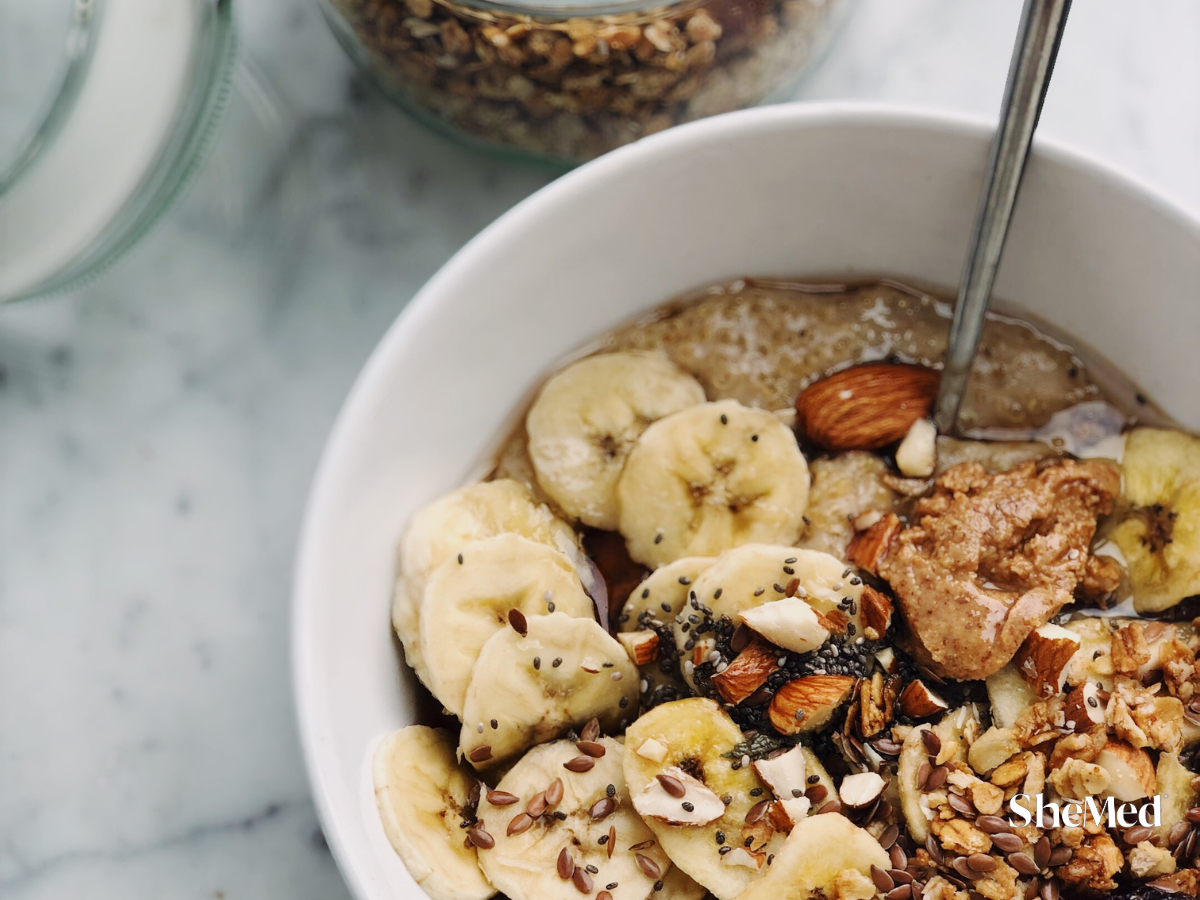
Nuts such as almonds, pistachios, and peanuts provide a combination of protein, unsaturated fats, and dietary fibre that slows gastric emptying, supports insulin sensitivity, and is associated with increased GLP-1 release and satiety.
Regular nut intake has been linked with improved glycaemic control, greater fullness, and reduced risk markers for type 2 diabetes and cardiovascular disease in clinical and epidemiological studies.
Fermentation of nut fibre by gut bacteria produces short-chain fatty acids, which can stimulate GLP-1 secretion from intestinal L-cells through dedicated receptors and related metabolic pathways.
If you are not allergic to nuts, include a small handful of nuts as a snack or add them to meals like yoghurt, salads, or porridge as a practical way to support natural GLP-1 activity and promote fullness. Evidence suggests that nut-based snacks can enhance satiety and modulate appetite-regulating hormones, including GLP-1, compared with refined-carbohydrate options.
High Fibre Grains
Whole grains such as oats, barley, and whole wheat are rich in soluble fibre, which helps smooth out post-meal rises in blood glucose and is associated with increased GLP-1 secretion and improved satiety. Soluble fibre forms a gel-like texture in the gut that slows digestion and glucose absorption, providing a more gradual stimulus for appetite-regulating hormones like GLP-1 and PYY.
A key part of this effect comes from fermentation of fibre by gut bacteria into short-chain fatty acids (SCFAs) such as acetate, propionate, and butyrate, which can activate receptors on intestinal L-cells and promote GLP-1 release. Randomised controlled trials have shown that high-fibre, oat-based meals can increase GLP-1 and PYY levels, enhance fullness, and reduce subsequent energy intake compared with low-fibre cereals.
Choosing high-fibre grains like oats and barley in place of refined grains (for example, white bread or sugary cereals) is a practical, research-supported way to support natural GLP-1 activity and appetite regulation. People with coeliac disease or gluten intolerance should select certified gluten-free whole-grain options and seek personalised dietary advice where needed.
Avocado
Avocado is a source of monounsaturated fats and soluble fibre, nutrients that are commonly associated with supporting satiety and digestive comfort. Soluble fibre can contribute to slower digestion and more gradual nutrient absorption, while unsaturated fats are often included in dietary patterns linked with metabolic health.
Some research has explored the relationship between avocado consumption and post-meal hormonal responses, including appetite-regulating hormones such as GLP-1 and peptide YY (PYY). These studies suggest that meals containing avocado may be associated with greater feelings of fullness and more stable post-meal insulin responses in some individuals.
Including avocado in meals such as salads or sandwiches may help support satiety as part of a balanced diet. Individual responses can vary, and avocado is best consumed alongside a variety of other nutrient-rich foods.
Olive Oil
Olive oil is a key component of Mediterranean-style eating patterns and is a source of monounsaturated and polyunsaturated fats. Diets that include higher proportions of unsaturated fats are commonly associated with cardiometabolic health and may influence post-meal satiety responses.
Research examining Mediterranean dietary patterns has explored their relationship with appetite-regulating hormones, including GLP-1. Some studies suggest that meals rich in unsaturated fats, such as those containing olive oil, may be associated with differences in post-meal hormonal responses and markers of glycaemic control when compared with lower-fat dietary approaches. These effects are thought to involve interactions between dietary fats and gut-derived hormones, although the exact mechanisms are still being studied.
Using olive oil in cooking or as a salad dressing can be a practical way to include unsaturated fats as part of a balanced diet. As with all dietary choices, individual responses may vary, and olive oil is best consumed in moderation alongside a variety of nutrient-rich foods.
Vegetables
Non-starchy vegetables such as Brussels sprouts, broccoli, and carrots provide dietary fibre, vitamins, and a range of plant compounds that support overall nutritional quality. Fibre-rich foods are commonly associated with digestive health and may influence feelings of fullness after meals.
Some research has examined how the order in which foods are consumed -such as eating vegetables before carbohydrate-rich foods-may affect post-meal glucose responses and appetite-related hormones, including GLP-1. These studies suggest that prioritising vegetables earlier in a meal may be associated with more gradual rises in blood glucose and differences in satiety signals, particularly in certain populations. The underlying mechanisms are still being explored and may involve interactions between dietary fibre, digestion, and gut-derived signals.
Including non-starchy vegetables as part of the first course of a meal can be a practical way to increase fibre intake and support balanced blood sugar responses as part of an overall healthy eating pattern. Individual responses may vary.
How Food May Actually Trigger GLP-1?
The secretion of GLP-1 is closely linked to nutrient sensing by L-cells in the distal small intestine and colon. Specific nutrients, including proteins, peptides, fatty acids, and monosaccharides, interact with G-protein coupled receptors and transporters on L-cells, triggering intracellular signalling cascades that culminate in GLP-1 exocytosis.
Protein ingestion, for example, leads to the generation of peptides and amino acids that bind to calcium-sensing receptors and other nutrient sensors on L-cells, directly stimulating GLP-1 release. Similarly, mono- and polyunsaturated fats activate free fatty acid receptors (FFAR1 and FFAR4), while fibre-derived SCFAs interact with FFAR2 and FFAR3 to promote GLP-1 secretion.
Overall, protein, healthy fats, and dietary fibre represent the three main dietary triggers for endogenous GLP-1 release. Their combined presence in whole, minimally processed foods accounts for the satiety-enhancing and glucose-lowering effects observed in dietary intervention studies.
Fibre and Gut Health Synergy
The interplay between dietary fibre, gut microbiota, and GLP-1 secretion exemplifies the complex synergy underlying metabolic health. Fibre that escapes digestion in the upper gastrointestinal tract is fermented by colonic bacteria, resulting in the production of SCFAs such as acetate, propionate, and butyrate. These SCFAs serve as signalling molecules that activate FFAR2 and FFAR3 on L-cells, directly inducing GLP-1 release.
This gut microbiota-mediated mechanism not only enhances GLP-1 secretion but also confers additional metabolic benefits, including improved insulin sensitivity, reduced inflammation, and maintenance of gut barrier integrity. The inclusion of high-fibre foods such as whole grains, nuts, vegetables, and legumes thus represents a cornerstone of dietary strategies aimed at boosting GLP-1 and supporting overall metabolic health.
Conclusion
Dietary patterns that include adequate protein, fibre, and unsaturated fats are commonly associated with satiety, balanced blood sugar responses, and overall metabolic health. Foods such as eggs, nuts, high-fibre grains, avocado, olive oil, and non-starchy vegetables provide a range of nutrients that have been studied for their potential association with appetite-regulating hormones, including GLP-1. These foods contribute to feelings of fullness and may support steadier post-meal glucose responses as part of a balanced diet.
Research exploring GLP-1 has primarily focused on its role in appetite regulation and glucose metabolism. While diet alone is not a treatment for metabolic conditions, nutritional approaches that prioritise whole, fibre-rich, and protein-containing foods are widely recommended to support long-term health. Individual responses can vary, and dietary strategies are most effective when tailored to personal needs, preferences, and medical guidance.
For those exploring structured weight-management support, clinically supervised programmes can help integrate nutrition, lifestyle, and medical considerations in a safe and evidence-informed way.
If you would like to learn more about medically supported weight-management options, SheMed offers personalised programmes designed to align with individual health goals. Eligibility assessment is available online to help determine whether a programme may be suitable.
References
- Holst, J. J. (2007). The physiology of glucagon-like peptide 1. Physiological Reviews, 87(4), 1409-1439. https://doi.org/10.1152/physrev.00034.2006
- Ratliff J, Leite JO, de Ogburn R, Puglisi MJ, VanHeest J, Fernandez ML. Consuming eggs for breakfast influences plasma glucose and ghrelin, while reducing energy intake during the next 24 hours in adult men. Nutrition Research. 2010 Feb 1;30(2):96-103.https://www.sciencedirect.com/science/article/abs/pii/S0271531710000035
- Li TY, Brennan AM, Wedick NM, Mantzoros C, Rifai N, Hu FB. Regular consumption of nuts is associated with a lower risk of cardiovascular disease in women with type 2 diabetes. The Journal of Nutrition. 2009 Jul 1;139(7):1333-8.https://www.sciencedirect.com/science/article/pii/S00223166
- Esposito K, Maiorino MI, Ciotola M, et al. Effects of a Mediterranean-style diet on the need for antihyperglycemic drug therapy in patients with newly diagnosed type 2 diabetes: a randomised trial. Ann Intern Med. 2009;151(5):306-314. doi:10.7326/0003-4819-151-5-200909010-00004.
- Indarto D, Rochmah DN, Wiboworini B, Pratama YM, Wibowo YC. Effects of Vegetables Consumption Before Carbohydrates on Blood Glucose and GLP-1 Levels Among Diabetic Patients in Indonesia. Int J Prev Med. 2022;13:144. Published 2022 Nov 23. doi:10.4103/ijpvm.IJPVM_704_20
Subscribe to our Newsletter
Thank you! Your submission has been received!
Oops! Something went wrong while submitting the form.