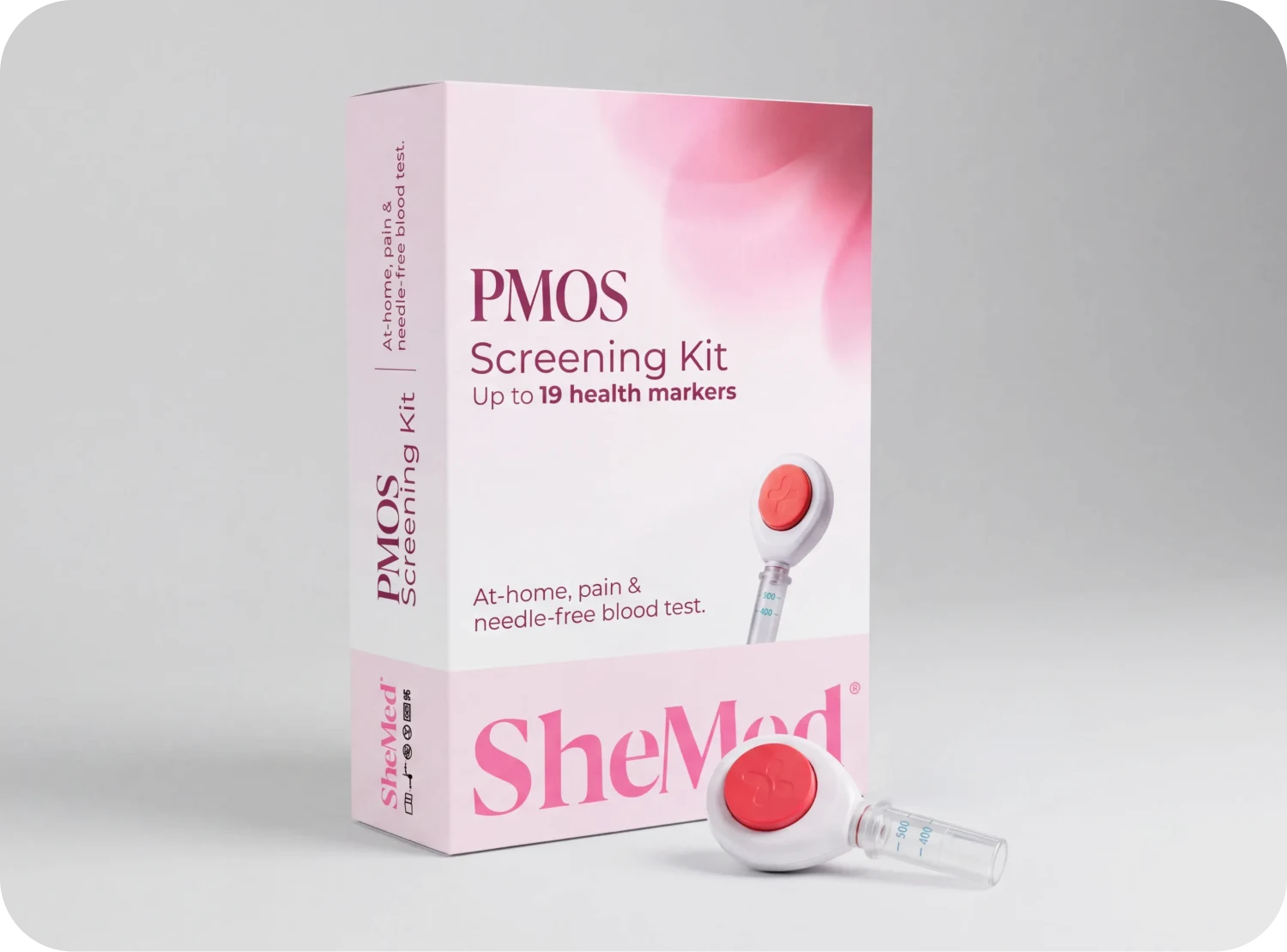
Starting From
£59£139
- Personalised weight loss medication
- Blood tests included
- Clinician review and support
- Free next-day delivery

Medical weight loss designed for women with PMOS (formerly PCOS)
Starting from £59


Why is PCOS now PMOS?
PCOS is now being redefined as PMOS – Polyendocrine Metabolic Ovarian Syndrome – a name that better reflects its wider hormonal, metabolic, and reproductive impact.

Your body stores fat more easily. No diet can override that – it's biology, not willpower.

Cravings that won’t quit. Hormones and metabolic changes can play a part - and support is available.

Weight stored differently. Standard advice ignores this – we don't.

Olivia's story
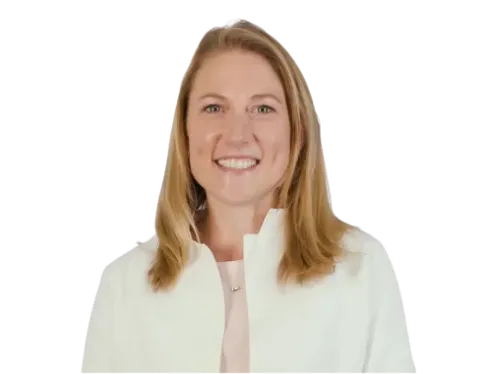
Olivia Ferro, co-founder and CEO of SheMed, spent years struggling with inflammation, hormonal symptoms, and unexplained weight gain.
After nearly a decade, she was diagnosed with PMOS. Starting metabolic care changed everything.
That experience became the foundation for SheMed, helping women get answers and support sooner.
Built for women
Reviewed by clinicians, with metabolic-focused blood testing and personalised treatment plans.
How it works
Three steps from quiz to doorstep, guided by clinicians throughout.
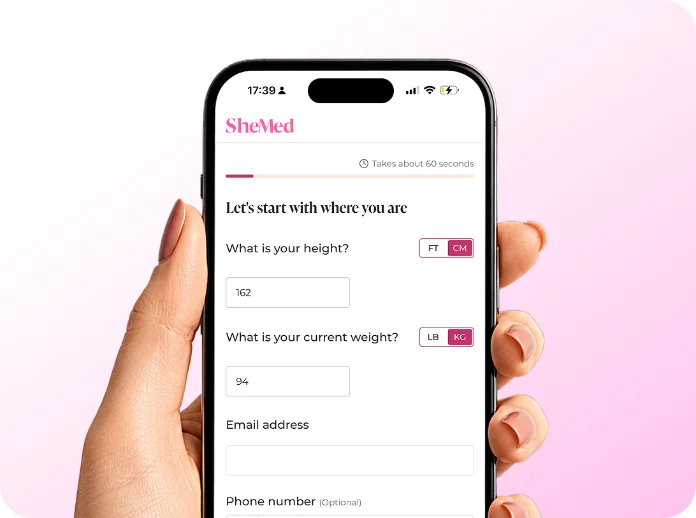
Take our online two-minute quiz to see if the programme is right for you.
.webp)
Complete your needle-free blood test to understand your health and how your body changes.
.webp)
Once a clinician reviews your results, if approved, your medication arrives next day, discreetly and for no additional cost.
I can't thank you guys enough. This programme has given me my life back because it's put me in control of my PMOS, instead of the other way round. I'm so grateful to you guys at SheMed for being women focused; you guys have intentional care.
I myself have PMOS and no one has ever advised me what to do. I always struggled to slim down. I tried diets, gym, personal trainers etc., but only ever managed to make small progress despite eating healthy and moving more. Now I know there's much more to my struggles. Since being on the programme I have seen incredible results in 21 weeks. I am the slimmest I have been in the last 15 years.
I've had a great experience. After being confirmed with PMOS I needed some help to get on track but I wanted it to be safe. The SheMed health-led approach to weight put me at ease; the health screening and the weekly check-in go far above any other companies on the market.
Not only have I slimmed down significantly, my PMOS has hugely improved.
Log your cycle, symptoms and mood — and see how your body changes alongside your journey.
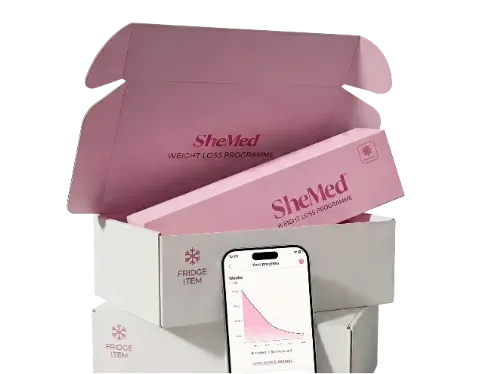
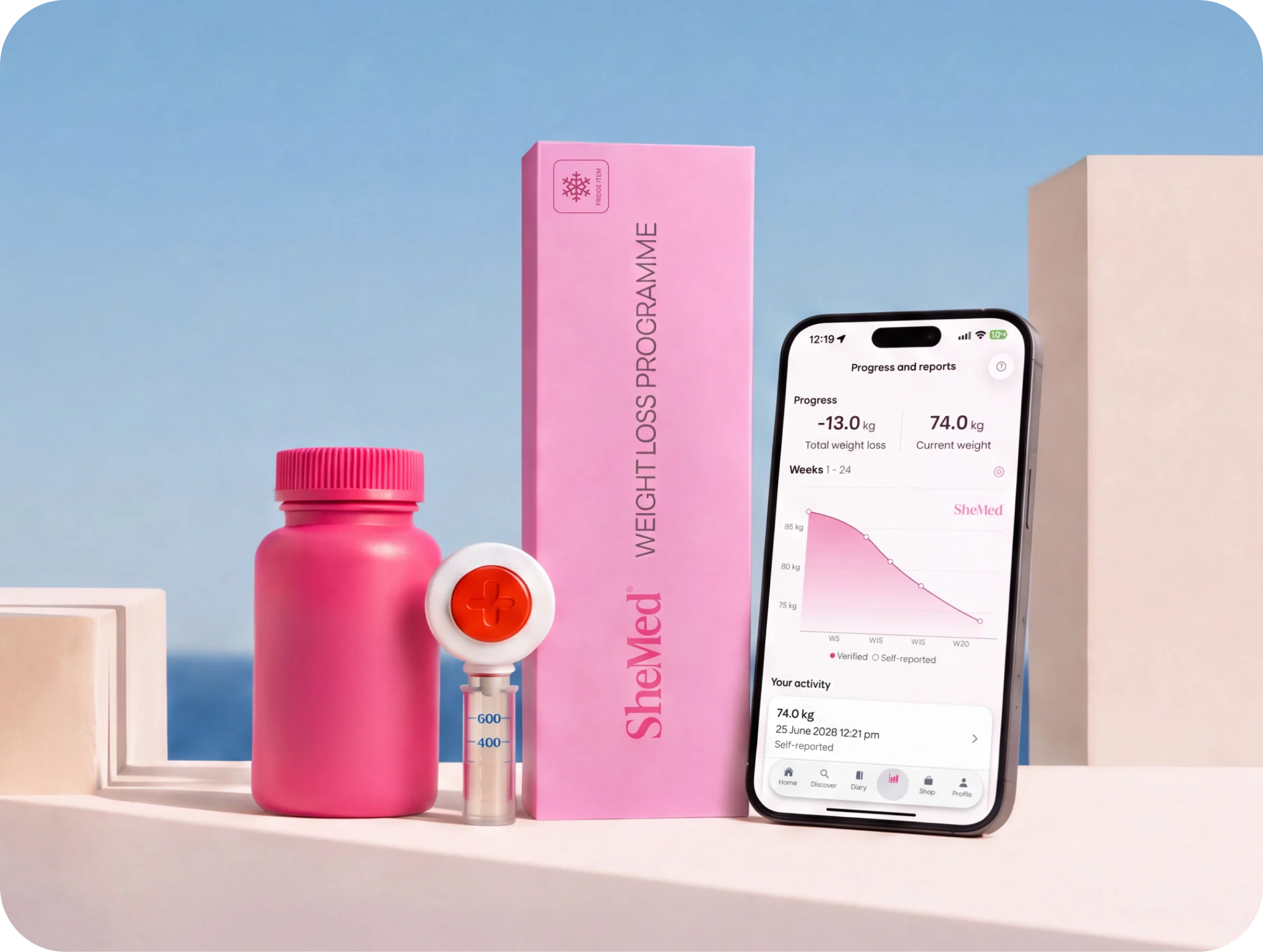
Medication delivered next-day - discreetly, secure and for no additional cost.
Painless at-home screenings at key milestones — worth £100+.
UK-registered healthcare professionals guide your journey with the right medication.
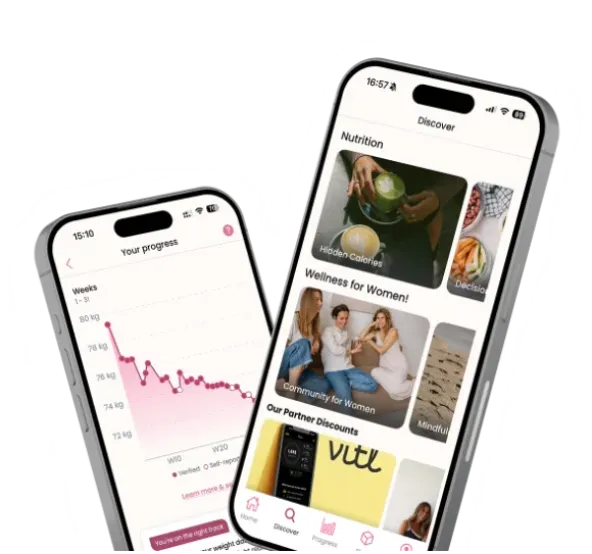
Place orders, track progress and complete weekly check-ins.
Connect with 100,000+ UK members who understand your journey and celebrate every win with you.

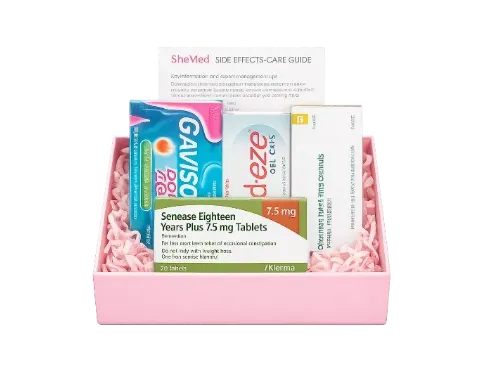
A side-effect care package, sharps bin, useful guides and everything else to begin your journey.
Medically supported, personalised weight loss care designed with women in mind.
✓ Lose up to 22.5% body weight*
✓ Trusted by 100,000+ UK Women
✓ Bi-Annual Blood Tests & Progress Tracking

"Your health is our priority. That's why we ask every patient to complete a quick blood test before treatment, to check it's safe and suitable for you."
Medical Weight Loss
PMOS can make managing your weight feel harder. Treatment can help tackle some of the factors behind it.
Improves insulin sensitivity
Up to 70% of women with PMOS have insulin resistance. Medical weight loss can help your body regulate blood sugar and respond to insulin more effectively.⁽¹⁾
Reduces hunger & cravings
PMOS can make you feel hungrier and increase cravings. Treatment helps you feel fuller for longer and reduces food noise.
Enables sustainable weight loss
PMOS can make weight harder to lose, treatment helps you achieve meaningful progress and maintain it long term.

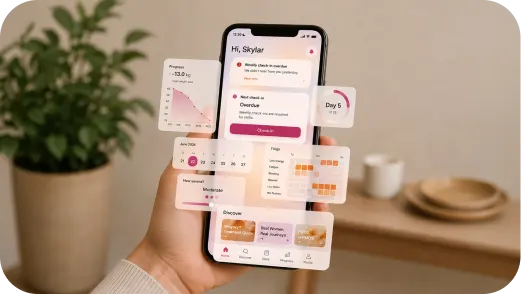
Track your cycle, weight and symptoms to spot patterns and see progress over time.

Never miss a dose, with helpful reminders and easy refills delivered discreetly to your door.
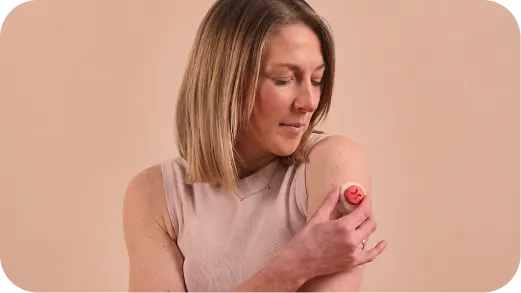
Twice-yearly, needle-free blood tests help track metabolic & hormonal changes beyond the number on the scale.
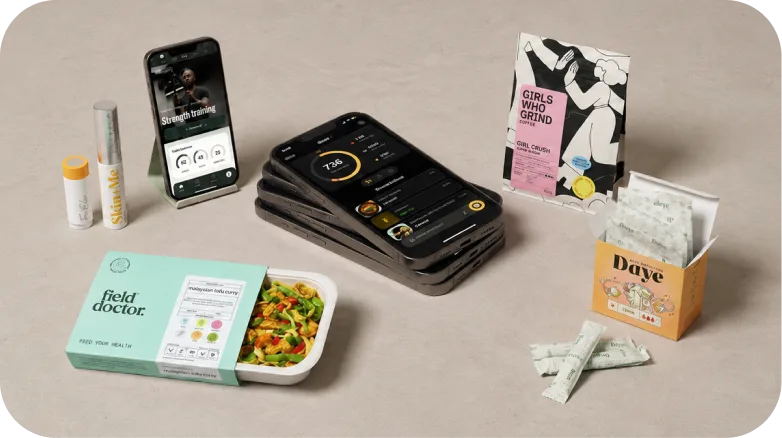
Access exclusive offers from SheMed partners like Daye and Skin + Me.

Connect with 100K+ women through community chats, monthly webinars and in-person events.
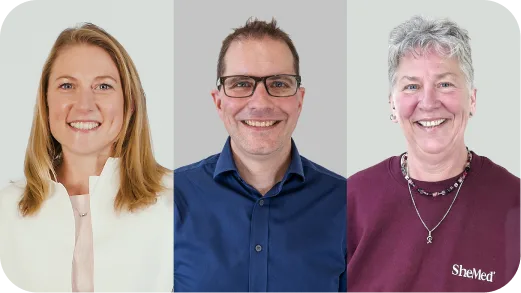
Get expert clinical support whenever you need it, throughout your PMOS journey.
Medical Weight Loss
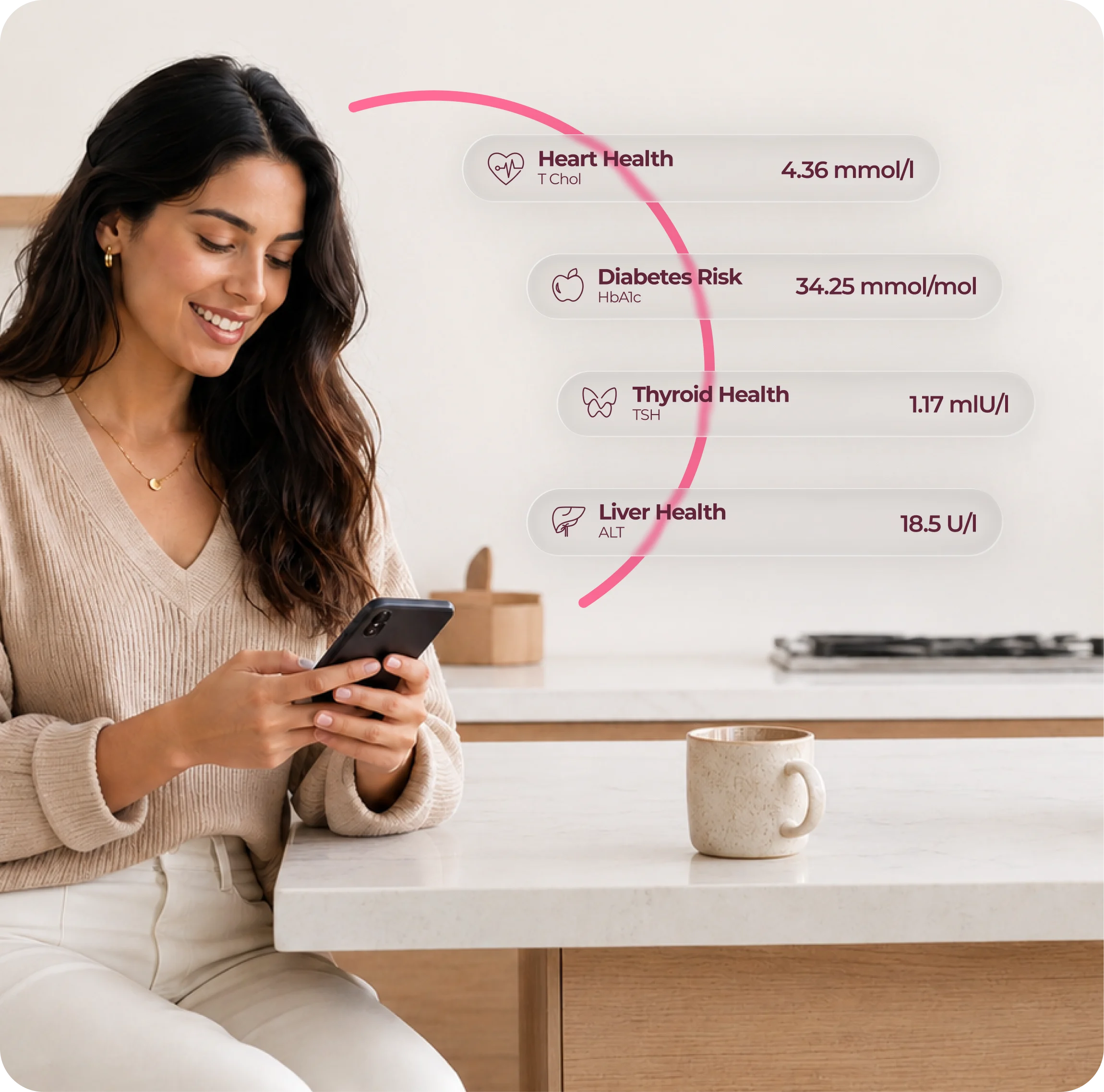
The scales only tell you what's happening. Our blood test helps uncover why. For many women with PMOS, hormones and metabolism play a much bigger role in weight than they're ever told. That's why every SheMed programme includes an at-home blood tests throughout your journey helping our clinicians build a treatment plan around your biology—not guesswork.
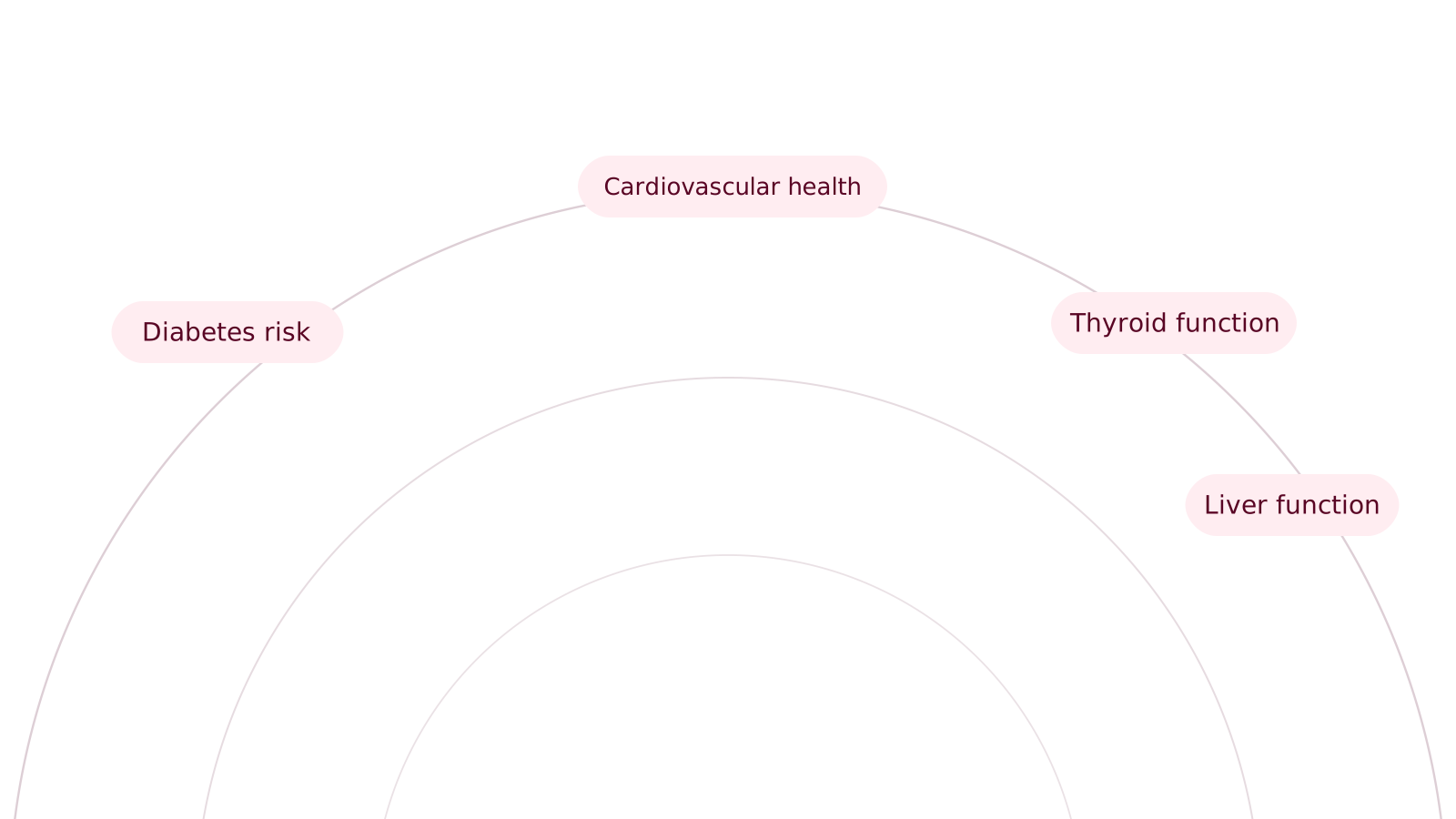
Diabetes Risk
HbA1c is your average blood sugar level for the last three months. We check your HbA1c before treatment begins to identify signs of pre-diabetes or diabetes and understand your average blood sugar levels over the previous three months. As this treatment affects blood sugar regulation, knowing your baseline helps your SheMed clinician provide safe, personalised care.
Biomarkers:
HbA1c - Glycated Hemoglobin
Fasting Glucose
Cholesterol & Cardiovascular Risk
More than half of women have raised cholesterol High cholesterol can increase the risk of heart disease and stroke, often without causing any symptoms. We check your full lipid profile before treatment begins to understand your baseline cardiovascular health and identify any results that may need further review.
Biomarkers:
ALT - Alanine Aminotransferase
AST - Aspartate Aminotransferase
GGT - Gamma-Glutamyl Transferase
Liver Function
Being overweight, or having type 2 diabetes, high blood pressure or high cholesterol, can increase your risk of metabolic dysfunction-associated steatotic liver disease (MASLD), previously known as non-alcoholic fatty liver disease. We check your liver health before treatment begins to understand your baseline and identify any results that may need further review.
Biomarkers:
ALT - Alanine Aminotransferase
AST - Aspartate Aminotransferase
GGT - Gamma-Glutamyl Transferase
Thyroid Function
Thyroid hormones are crucial for metabolism, energy levels and weight regulation. Undiagnosed thyroid conditions can affect your treatment outcomes.
TSH - Thyroid-Stimulating Hormone

Fill out the two minute online quiz. This will help us determine whether our treatments are safe for you
.webp)
Complete your included needle free blood test to understand your health and how your body changes

Once your blood test is reviewed by a clinician, your medication will be delivered next day discreetly at no charge
I know how frustrating it is to feel like you're doing everything right and still not seeing results.
“Like many women with PMOS, I spent years trying to lose weight, following the advice I was given, but nothing seemed to work. I knew there had to be more to the story. That's why I founded SheMed-to give women access to personalised medical weight loss, compassionate clinicians and the support I wish I'd had. Because no woman should feel dismissed when it comes to her health.”
- Olivia, Co-Founder & CEO of SheMed






The future of women’s health is evidence-led, personalised, and accessible.