How Does Mounjaro Work? A Clinician's Guide to Tirzepatide and Its Dual-Action Science

Updated 11/06/26
In short, Mounjaro works by mimicking two hormones your gut releases after eating - =GLP-1 and GIP - that signal fullness, slow digestion, and regulate blood sugar. Most weight loss medications only mimic one. Activating both simultaneously is what makes Mounjaro more effective than earlier GLP-1 drugs like Ozempic and Wegovy.
In the ongoing battle against type 2 diabetes and obesity, a groundbreaking medication is changing the landscape of treatment, offering new hope to millions. This medication is Mounjaro, with the active ingredient tirzepatide. It’s not just another drug; it’s a first-in-class treatment that tackles both blood sugar control and weight management with remarkable effectiveness. For many, it represents a turning point after years of struggling with less effective options.
But what makes Mounjaro so different? How does it achieve such significant results, and who is it suitable for? The buzz surrounding this weekly injection is immense, but it’s crucial to separate the hype from the facts. This comprehensive guide will walk you through everything you need to know, from its unique dual-action science to practical advice on administration, managing side effects, and integrating it into a healthy lifestyle. Whether you’re considering discussing Mounjaro with your doctor or simply want to understand the future of metabolic health, this article provides the clear, reliable information you need.
he Dual-Action Mechanism: How GLP-1 and GIP Work Together
Mounjaro (tirzepatide) is a prescription-only, once-weekly injectable medication developed by Eli Lilly. It was first approved in the UK by the MHRA for the treatment of adults with type 2 diabetes. However, its profound impact on weight loss has led to its use in comprehensive weight management programmes, making it a powerful tool for tackling two of the most significant health challenges of our time.
Understanding Tirzepatide: The Active Ingredient
The power of Mounjaro lies in its active ingredient, tirzepatide. Unlike previous medications that target a single pathway, tirzepatide is a dual-receptor agonist. This means it is engineered to activate two different, naturally occurring hormone receptors in the body that are crucial for regulating metabolism and appetite. This dual-pronged attack is what sets it apart from other popular medications like Ozempic or Wegovy (semaglutide), which only target one of these receptors.
The Dual-Action Mechanism: GIP and GLP-1 Receptor Agonism
To understand how Mounjaro works, we need to look at two key gut hormones called incretins:
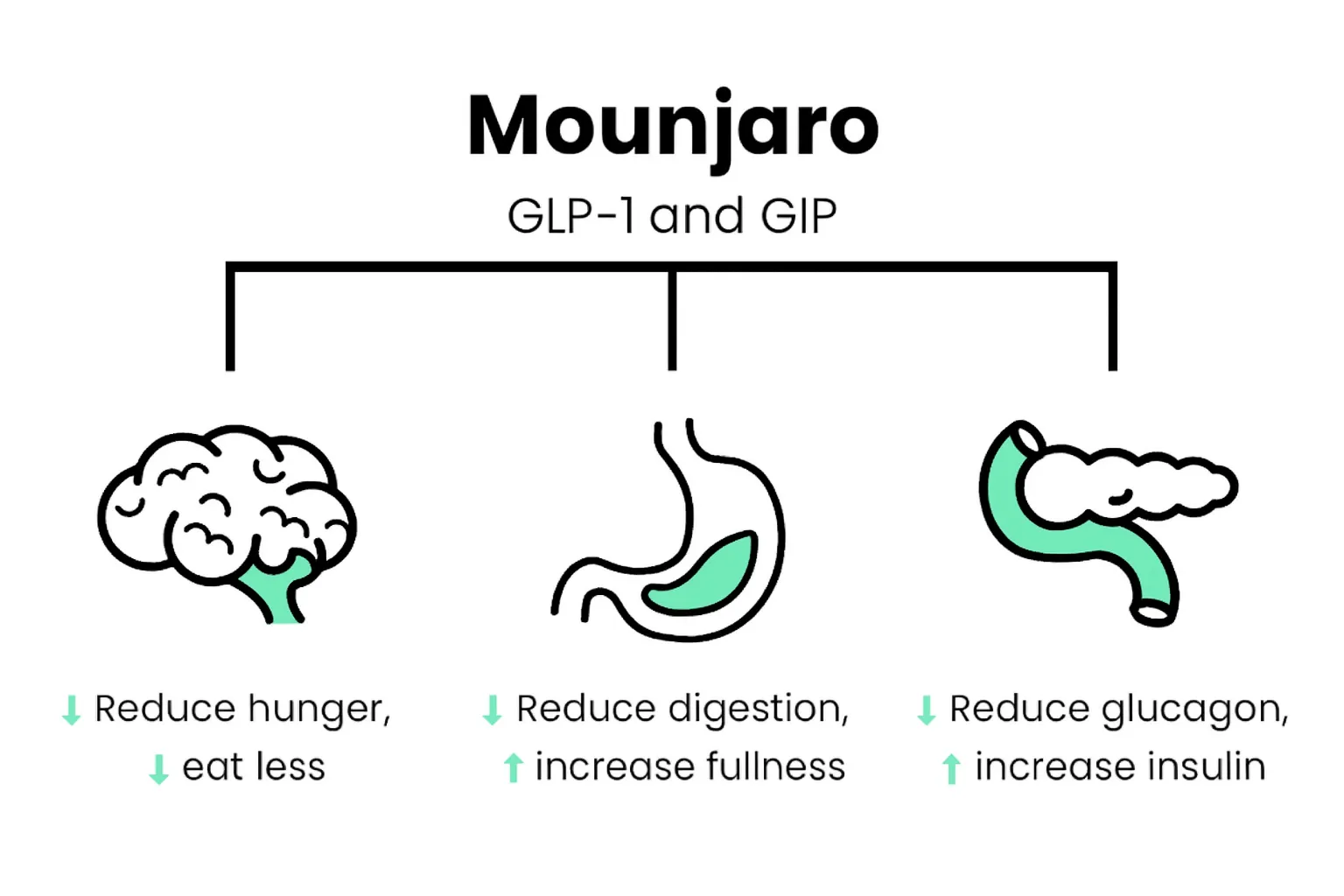
- GLP-1 (Glucagon-Like Peptide-1): This hormone is released after you eat. It signals the pancreas to release insulin (which lowers blood sugar), blocks the production of glucagon (a hormone that raises blood sugar), and slows down digestion, making you feel full. Many existing diabetes and weight loss drugs, like semaglutide (Wegovy), are GLP-1 receptor agonists.
- GIP (Glucose-Dependent Insulinotropic Polypeptide): This is another incretin hormone that also stimulates insulin release. Research has shown that it plays a significant role in energy balance and may help regulate how the body processes and stores fat.
Mounjaro is the first medication to mimic both GLP-1 and GIP. By activating both receptors, it creates a synergistic effect that is more powerful than activating GLP-1 alone. Think of it like upgrading from a single-engine plane to a twin-jet. You get more power, greater efficiency, and a more comprehensive effect on the body’s metabolic systems.
A Step-by-Step Look at Its Effects on the Body
When you take Mounjaro, tirzepatide gets to work in several ways simultaneously:
- Enhances Insulin Secretion: It prompts your pancreas to release insulin, but only when your blood sugar levels are rising, such as after a meal. This “smart” release helps prevent dangerously low blood sugar (hypoglycaemia).
- Suppresses Glucagon: It tells the liver to reduce its production of glucagon, which stops the liver from releasing excess stored sugar into the bloodstream.
- Slows Gastric Emptying: The medication slows down the speed at which food leaves your stomach. This contributes significantly to feeling fuller for longer after meals, naturally reducing your overall calorie intake.
- Reduces Appetite: By acting on receptors in the brain, Mounjaro directly signals a sense of satiety, reducing hunger pangs and cravings for high-calorie foods. This makes it easier to stick to a healthy eating plan without feeling constantly deprived.
Mounjaro for Type 2 Diabetes: A New Era in Blood Sugar Control
Although Mounjaro is now widely used for weight management, it was originally developed and approved for type 2 diabetes. In the SURPASS clinical trial programme, patients saw HbA1c reductions of up to 2.3 percentage points on average, with many reaching blood sugar levels comparable to people without diabetes - -results that consistently outperformed GLP-1-only medications, DPP-4 inhibitors, and some forms of insulin. Beyond blood sugar control, participants also saw improvements in cholesterol, blood pressure and liver fat.
The Revolutionary Impact of Mounjaro on Weight Management
While licensed for diabetes, Mounjaro’s most headline-grabbing effect is its ability to induce substantial weight loss. The results from clinical trials have been so profound that it is now also approved for chronic weight management in many countries, often under a different brand name (Zepbound in the US).
Why Mounjaro is So Effective for Weight Loss
The powerful combination of appetite suppression and delayed gastric emptying is the key. Users often report a dramatic shift in their relationship with food. The “food noise”—the constant, intrusive thoughts about eating—quiets down. They can eat a small portion and feel genuinely satisfied, making it easier to create the calorie deficit needed for weight loss without a gruelling battle of willpower. This physiological support helps to reset eating habits and promotes sustainable change.
Clinical Evidence: How Much Weight Can You Expect to Lose?
The SURMOUNT trial programme, which studied tirzepatide in individuals with obesity but without diabetes, yielded stunning results. On the highest dose (15 mg), participants lost an average of 22.5% of their body weight over 72 weeks.
To put that into perspective:
- A person weighing 100 kg (approx. 15 stone 10 lbs) could lose 22.5 kg (approx. 3 stone 8 lbs).
- A person weighing 127 kg (20 stone) could lose over 28 kg (approx. 4 stone 7 lbs).
These levels of weight loss begin to approach the results seen with bariatric surgery, positioning Mounjaro as a true game-changer in the non-surgical treatment of obesity.
Mounjaro vs. Other Weight Loss Medications (Wegovy, Saxenda)
A common question is how Mounjaro stacks up against other popular injectable weight loss drugs.
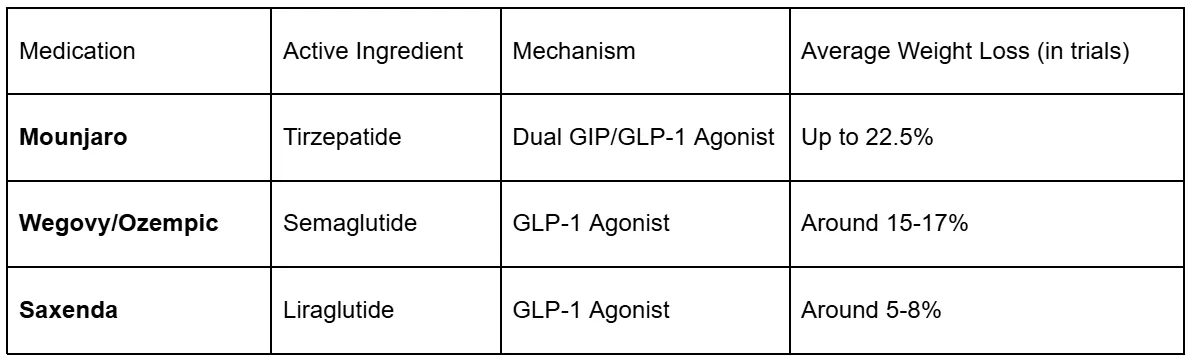
Head-to-head studies have confirmed that tirzepatide leads to greater weight loss and better blood sugar control than semaglutide at comparable doses. The addition of the GIP agonist activity appears to give Mounjaro a distinct advantage.
Practical Guide: Dosage, Administration, and Getting Started
Starting any new medication can be daunting, especially an injectable one. However, Mounjaro is designed for user-friendly, at-home administration.
Understanding Your Prescription: Dosing Schedules
Mounjaro uses a gradual dose-escalation schedule. This is crucial for allowing your body to adapt to the medication and minimising potential side effects.
- Starting Dose: You will begin with 2.5 mg once a week for the first four weeks. This is a non-therapeutic dose intended only to acclimatise your system.
- Titration: After four weeks, your doctor will increase your dose to 5 mg. You will stay on this dose for at least another 12 weeks weeks as long as you are losing ~ 0.5kg - 1kg per week.
- Further Increases: Depending on your weight loss progress, and tolerance, your clinician may continue to increase the dose in 2.5 mg increments (to 7.5 mg, 10 mg, 12.5 mg, and a maximum of 15 mg) every four weeks.
It is vital to follow this schedule and not to increase your dose faster than prescribed.
How to Self-Administer the Mounjaro KwikPen
The Mounjaro KwikPen is a disposable, pre-filled injection pen. The process is simple:
- Preparation: Take the pen out of the fridge 30 minutes before use to let it warm to room temperature. Wash your hands and choose an injection site.
- Injection Sites: The best sites are the abdomen (avoiding the 2-inch area around the navel), the front of your thighs, or the back of your upper arms (if someone is helping you). It’s important to rotate your injection site each week to avoid skin irritation.
- Administer the Dose: Check the pen to ensure the medicine is clear and colourless. Attach a new needle, remove the caps, and dial your prescribed dose. Press the pen firmly against your skin and press the injection button. Hold it for about 10 seconds until you hear a second click, which confirms the full dose has been delivered.
- Disposal: Carefully remove the needle and dispose of it immediately in a designated sharps bin.

Tips for a Smooth Start
- Stay Hydrated: Drink plenty of water throughout the day, especially if you experience nausea or diarrhoea.
- Eat Smaller, More Frequent Meals: Large, heavy meals can worsen side effects like nausea. Focus on smaller, protein-rich meals.
- Listen to Your Body: Pay attention to your new fullness cues. Stop eating when you feel satisfied, not stuffed.
- Inject on the Same Day: Choose a day of the week that works for you (e.g., “Mounjaro Sunday”) and stick to it.
Navigating Potential Side Effects and Safety Considerations
Like all effective medications, Mounjaro comes with potential side effects. Most are mild to moderate and tend to decrease over time as your body adjusts.
Common and Manageable Side Effects
The most frequently reported side effects are gastrointestinal in nature, due to the way the drug slows digestion:
- Nausea: This is the most common side effect, especially when starting or increasing a dose. Eating bland foods (like crackers or toast), avoiding greasy or spicy meals, and eating slowly can help.
- Diarrhoea: Ensure you stay hydrated. If it’s severe or persistent, contact your doctor.
- Constipation: Increase your intake of fibre and water. Gentle physical activity can also help.
- Vomiting: Usually occurs with nausea. If it’s persistent, you risk dehydration and should seek medical advice.
- Decreased Appetite: This is an intended effect but can sometimes be more pronounced than desired. Ensure you are still getting adequate nutrition.
Serious but Rare Risks: When to Seek Medical Help
While uncommon, there are serious risks to be aware of. Seek immediate medical attention if you experience symptoms of:
- Pancreatitis: Severe, persistent pain in your abdomen that may radiate to your back, with or without vomiting.
- Gallbladder Problems: Pain in your upper right abdomen, fever, or yellowing of the skin or eyes (jaundice).
- Severe Allergic Reaction: Swelling of your face, lips, tongue, or throat; difficulty breathing or swallowing; severe rash or itching.
- Thyroid C-Cell Tumours: Mounjaro has a boxed warning based on studies in rats where it caused thyroid tumours. It is unknown if it has the same effect in humans.
Who Should Not Take Mounjaro? (Contraindications)
Mounjaro is not suitable for everyone. You should not take it if you have:
- A personal or family history of Medullary Thyroid Carcinoma (MTC).
- A condition called Multiple Endocrine Neoplasia syndrome type 2 (MEN 2).
- A history of pancreatitis.
- Severe gastroparesis (delayed stomach emptying).
- An allergy to tirzepatide or any other ingredients in Mounjaro.
- It is also not recommended for those who are pregnant, planning to become pregnant, or breastfeeding.
Lifestyle Integration: Maximising Mounjaro’s Benefits
Mounjaro is an incredibly powerful tool, but it is not a “magic bullet.” Its success is maximised when it is integrated into a holistic lifestyle that includes a healthy diet, regular physical activity, and supportive behaviours.

A diverse group of friends enjoying a workout by the lake at sunset, promoting a healthy lifestyle.
The Role of Diet and Nutrition
Because Mounjaro reduces appetite, it’s crucial to make the calories you do consume count. Focus on nutrient-dense foods to ensure your body gets the fuel it needs.
- Prioritise Protein: Protein helps maintain muscle mass during weight loss and increases satiety. Aim to include a source of lean protein (chicken, fish, tofu, beans, Greek yoghurt) with every meal.
- Embrace Fibre: High-fibre foods like vegetables, fruits, and whole grains aid digestion and contribute to feelings of fullness.
- Choose Healthy Fats: Incorporate sources like avocado, nuts, seeds, and olive oil.
- Avoid High-Sugar, Processed Foods: These can sometimes exacerbate side effects and offer little nutritional value.
Incorporating Physical Activity
Exercise is a critical partner to Mounjaro. It improves insulin sensitivity, boosts metabolism, and preserves lean muscle mass, which is vital for long-term weight maintenance. Aim for a combination of:
- Cardiovascular Exercise: Activities like brisk walking, cycling, or swimming for at least 150 minutes per week.
- Strength Training: Using weights, resistance bands, or bodyweight exercises at least twice a week to build and maintain muscle.
Accessing Mounjaro in the UK: NHS and Private Options
NHS Availability and Criteria
The National Institute for Health and Care Excellence (NICE) has approved Mounjaro for treating type 2 diabetes on the NHS. However, specific criteria usually apply, such as having a certain HbA1c level and BMI, and having tried other medications first. More recently, NICE also recommended Mounjaro for weight management within specialist services. However, high demand and global supply constraints can sometimes lead to delays or phased rollouts, so availability may vary by region.
Private Prescriptions and Costs
If you don’t meet NHS criteria or prefer quicker access, Mounjaro is also available privately through licensed healthcare clinics and pharmacies. Prices typically range from £150 to over £300 per month, depending on the dose and provider.
At SheMed’s Weight Loss Programme, your first dose is just £99 and includes a blood test to ensure GLP-1 medications are safe for you. Subsequent doses are offered at a fixed price of £159.
A full medical consultation is required to confirm suitability before starting treatment. Check if you’re eligible using the SheMed Weight Loss Eligibility Checker.
Conclusion: Is Mounjaro the Right Choice for You?
Mounjaro (tirzepatide) represents a monumental leap forward in the treatment of type 2 diabetes and obesity. Its unique dual-action mechanism offers unprecedented results in both blood sugar control and weight loss, providing a powerful new option for patients who have struggled to achieve their health goals. It effectively rewires the body’s relationship with food and energy, making sustainable lifestyle changes more attainable than ever before.
However, it is not a simple fix. It is a serious medication that requires careful medical supervision, a commitment to dose titration, and management of potential side effects. Its true power is unlocked when used as a catalyst for broader lifestyle improvements in diet and exercise.
The decision to start Mounjaro is a personal one that must be made in close partnership with your healthcare provider. By having an open discussion about your health history, treatment goals, and expectations, you can determine if this groundbreaking medication is the right choice to help you reclaim your metabolic health and build a healthier future.
References
- Eli Lilly and Company. (2023). Mounjaro (tirzepatide) injection, for subcutaneous use. Prescribing Information.
- National Institute for Health and Care Excellence (NICE). (2023). Tirzepatide for treating type 2 diabetes. Technology appraisal guidance [TA878].
- National Institute for Health and Care Excellence (NICE). (2023). Tirzepatide for managing overweight and obesity. Technology appraisal guidance [TA924].
- Jastreboff, A. M., et al. (2022). Tirzepatide Once Weekly for the Treatment of Obesity. The New England Journal of Medicine, 387(3), 205-216. DOI: 10.1056/NEJMoa2206038
NHS. (2022). Type 2 diabetes. NHS.uk.
The content on the SheMed blog is provided for general informational and educational purposes only. While SheMed provides professional weight loss services and strives to ensure the information shared is accurate and up to date, we make no representations or guarantees as to its accuracy, completeness, or timeliness. This content should not be taken as personal medical advice or a substitute for consultation with a qualified healthcare provider. Always speak with your doctor or licensed medical professional about your individual health or medical needs before starting any new treatment or programme. Never disregard or delay seeking professional medical advice because of something you have read on this site. SheMed is not responsible for any actions you may take based on the information provided in this blog.
Related Articles

.png)