

Best Time to Weigh Yourself: What the Evidence Shows
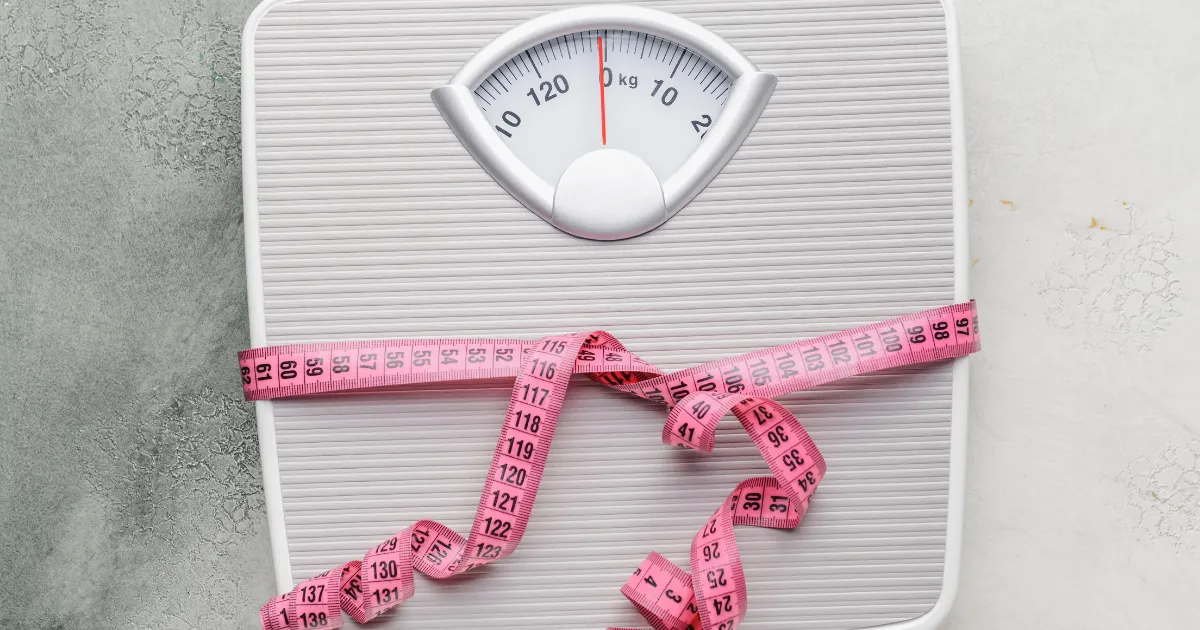
The best time to weigh yourself is first thing in the morning, after you have been to the loo but before you eat, drink, or exercise. This way you eliminate most of the variables that cause the scale to swing 1- 3 kgs in either direction over the course of a day.
But here's the thing: knowing when to step on the scale is only part of the story. How often you weigh yourself, which scale you use, where in your hormonal cycle you are, and what you do with the number matters. These things decide whether tracking your weight is actually helping you lose it.
We’ve written this article to guide you on how to make your weigh-ins work for you, not against you.
Key Takeaways
- Weigh yourself first thing in the morning after using the bathroom, before eating or drinking, for the most consistent reading.
- Your weight can fluctuate by 1–3 kg in a single day due to food, fluid, sodium, and activity. It’s normal.
- Daily or weekly weigh-ins both work; consistency matters more than frequency.
- Hormonal cycles cause natural water retention that can temporarily add 1–3 kg.
- Always use the same scale in the same spot; different scales can read up to 1 kg apart.
- On Mounjaro or Wegovy, weigh yourself the morning before your injection for the cleanest trend line.
Why the time of day you weigh yourself matters
Your body is moving constantly, even when you’re not. It is processing food, moving fluid, building and breaking down tissue, and responding to hormones. Each of these processes affects your body weight. And most of them are tied to what time of day it is.
If you step on the scale after a salty meal and a glass of water, you could see 2- 3 kg higher than what your body actually is in terms of fat. Try the next morning again, and you’ll see the difference.
This is why you need to understand why this happens and how you can turn the scale from being an anxiety machine into a genuinely useful tool, especially if you are on a weight loss programme and want to track real progress.
How food, fluid, and the day's activity shift the number on the scale
Food adds weight. Not just in terms of calories, but its physical mass. A big bowl of pasta, a Sunday roast, or a takeaway curry can easily add 0.5-1 kg to the scale before your body has even done anything with it.
Sodium is another culprit. Your salty foods like crisps, soy sauce-heavy stir-fries, processed meats, or a fish and chip supper cause your body to hold on to more water (roughly 1.8 litres per 100 g of sodium retained). Even exercise temporarily increases inflammation and water retention in muscle tissue. Weigh yourself with a full bladder or bowel, and you’ll see several hundred grams added.
By the time you wake up the following morning, digestion has moved food through, overnight breathing and sweat have cleared around half a litre of water, and your bladder and bowel are empty. This is why mornings give you the most accurate readings of your actual body composition
Why consistency matters more than the exact hour
The logic of long-term consistency is pretty simple and obvious once you understand the short-term fluctuations. If you weigh yourself at 7 am one day and 7 pm the next, you’re basically comparing apples to oranges.
The actual number matters far less than whether it is going up or down over time when measured under the same conditions. Just pick a time (morning works best for the reasons above), pick a day (or do it daily), and stick to it.
Is morning really the best time to weigh yourself?
Yes, and the reason is physiological, not just conventional.
What happens to your weight overnight
Your body works while you sleep. You lose around 400ml of water just by breathing and sweating for about eight hours (even in a cool room). Your stomach digests and your kidneys process all the fluid you drank during the day. So by the time your alarm goes off, much of your short-term weight from the day before eating has cleared. What’s left is your actual lean mass, fat mass, and baseline hydration.
Read more on tracking your weight loss progress.
Why do you weigh less in the morning?
Simply because you have just spent eight hours losing water and processing food without eating or drinking anything to replace it. You have also emptied your bladder and bowel, which alone can account for 0.5–1 kg.
How often should you weigh yourself?
We hear this quite often. To be honest, both daily and weekly can work, depending on your relationship with the number.
Daily vs weekly weigh-ins: what the evidence says
If you’re on a weight loss journey, then research suggests you weigh yourself daily for a richer picture of your trend. It makes it harder to ignore a gaining pattern.
However, if you’re the anxious kind, daily weighing may not be the best option for you, especially if you have a history of disordered eating. In such a case, a weekly check-in produces better outcomes.
The question you need to ask yourself is: does seeing the daily fluctuation motivate you or destabilise you?
What’s important is tracking a trend, not reacting to a single number.
Why daily fluctuation is not a sign anything's wrong
A 1–3 kg swing from one morning to the next is completely normal. A high sodium meal from the night before, drinking more water than usual, start of periods, a heavy gym session, all will show a higher number temporarily despite no change in your body fat. It’s the water weight, not fat.
True fat gain requires a sustained caloric surplus over days, not hours. If you are on a GLP-1 treatment like Mounjaro or Wegovy, you may also notice slower initial weight changes. It’s because these medications affect appetite rather than directly burning fat. It’s a long-term game. The results compound over weeks, not days. Hence, a four-week rolling average is a far more useful signal than reacting to any single reading.
Bestie Tip
Stop letting the scale ruin your morning. Pick a time (morning, every time), use the same scale, and look at the trend, not the daily number. One heavy reading after a salty pasta night means absolutely nothing. You are doing the work. The scale will catch up. 💪
What can throw off an accurate reading?
Hormonal cycles and water retention
For women, the menstrual cycle can have a significant impact on the scale. In the week or so before your period, progesterone causes the body to retain more water. Here, most women see a temporary increase of 1-3 kg, which quickly sheds away once periods begin.
If you’re undergoing treatment for PCOS or PMOS management, being aware of your cycle phase is especially important, since hormonal imbalances can amplify this water retention effect. The same applies to you if you’re on hormonal contraception, which can affect baseline fluid retention.
Why the same scale in the same spot matters
Bathroom scales vary by surface, calibration, and manufacturing tolerance. Carpet compresses under the scale’s feet and can read 0.5–1 kg lighter than a hard floor. Different scales can read up to 1 kg apart even when calibrated correctly. This is why using a tile or wood floor, with the scale in the same spot each time, would give you the most consistent readings.
You don’t need to worry about the exact weight. The direction of travel over time is more important. And you can only read that reliably if the conditions are the same every single time.
How SheMed builds this into your weight loss programme
At SheMed, we believe tracking your progress should not be stressful. It should feel structured and reassuring. That’s why we’ve made it a built-in part of your treatment journey
Every week, before your GLP-1 injection, a trained proctor checks your weight and records it accurately. This means that you don’t need to worry about second-guessing the scale or scratching your head to know what today’s number means. You’ll have a consistent, clinically recorded snapshot every single week.
Numbers are not everything for us. In the end, it’s about how you feel. So we encourage you to track your energy levels, sleep quality, appetite, cravings, even mood. These softer signals, paired with professional support, help you and your clinical team adjust your programme early, spot plateaus before they set in, and stay motivated when the scale is moving more slowly than you’d like.
You can read more about our structured weight loss programme on our women’s weight loss page and then check out our available treatments, including Mounjaro, Wegovy, Wegovy pill, and Foundayo.
Ready to track progress properly?
SheMed's weight loss programmes include weekly clinician-supervised weigh-ins so you always know exactly where you stand.
Explore women's weight loss at SheMed or see our full range of weight loss treatments
Frequently Asked Questions
What is the best time of day to weigh yourself?
First thing in the morning, after using the bathroom and before eating or drinking anything. This is when you have your stomach empty, overnight water loss cleared, and your bladder and bowel empty.
Why do you weigh less in the morning?
Because you have spent eight hours losing water through breathing and sweat, processing and moving food through your digestive system, and not replacing any of it with food or drink. An empty bladder and bowel alone account for several hundred grams.
Should you weigh yourself every day?
It depends on whether it motivates you or the opposite. Daily weigh-ins are linked to better weight loss outcomes in research, but they can increase anxiety for some people. If you find the daily fluctuation motivating and informative, weigh every morning. If it makes you feel anxious or obsessive, a weekly check-in on the same morning works just as well. Either way, tracking the trend over weeks is more important than individual readings.
Does your weight really fluctuate that much in 24 hours?
Yes. A 1–3 kg swing across a single day is normal. Food mass, fluid intake, sodium, exercise-related inflammation, and bowel contents all contribute. None of this is fat gain. True changes in body fat take days of caloric surplus or deficit to register, and even then the scale may not reflect it immediately due to fluid shifts.
Is there a best time to weigh yourself while on Mounjaro or Wegovy?
Yes. Weigh yourself on the morning of your injection day, before you take the injection. This gives you a consistent weekly snapshot taken at the same point in your dosing cycle. Your SheMed proctor will do this with you as part of the weekly check-in. Learn more about Mounjaro and Wegovy on the SheMed website.
References
- NHS England – How to record your weight
- Cleveland Clinic – When is the best time to weigh yourself?
- Pacanowski CR et al. (2019) – Daily self-weighing and weight loss in adults. Obesity, 27(9), 1521–1529
- Healthline – When is the best time to weigh yourself?
- Lissner L et al. – Water retention and menstrual cycle weight fluctuation in women
The content on the SheMed blog is provided for general informational and educational purposes only. While SheMed provides professional weight loss services and strives to ensure the information shared is accurate and up to date, we make no representations or guarantees as to its accuracy, completeness, or timeliness. This content should not be taken as personal medical advice or a substitute for consultation with a qualified healthcare provider. Always speak with your doctor or licensed medical professional about your individual health or medical needs before starting any new treatment or programme. Never disregard or delay seeking professional medical advice because of something you have read on this site. SheMed is not responsible for any actions you may take based on the information provided in this blog.
Related Articles