
PMOS (Formerly PCOS): The Complete Guide

PMOS or Polyendocrine Metabolic Ovarian Syndrome, is the new name for what most of us still refer to as PCOS (Polycystic Ovary Syndrome). It is the same condition, just with an updated understanding. 1 out of 10 women in the UK suffer from it, and most of them go years without a proper diagnosis because the symptoms are so varied that they can look like something else.
If your GP or clinician has told you that you have PCOS, or if you have irregular periods, stubborn weight gain, acne, excess hair growth, or fertility challenges and no one has connected the dots yet, we’ve written this guide for you.
We’ve written about what PMOS actually is, what causes it, how it is diagnosed, and most importantly, what you can do about it.
Key Takeaways
- PMOS is the new name for PCOS. It is the same condition, updated scientific understanding of what it actually is
- It affects roughly 1 in 10 women in the UK and is a whole-body hormonal and metabolic condition, not just a fertility problem
- Insulin resistance is often at the root, which is why weight, energy, periods, and skin are all affected at once
- It is diagnosed using the Rotterdam criteria: you need to meet at least two of three including irregular periods, raised androgens, or polycystic ovaries on ultrasound
- PMOS cannot be cured, but symptoms can be managed effectively with the right combination of lifestyle, medication, and medical support
- GLP-1 medications like Mounjaro and Wegovy are showing real promise for PMOS-related weight loss and insulin resistance
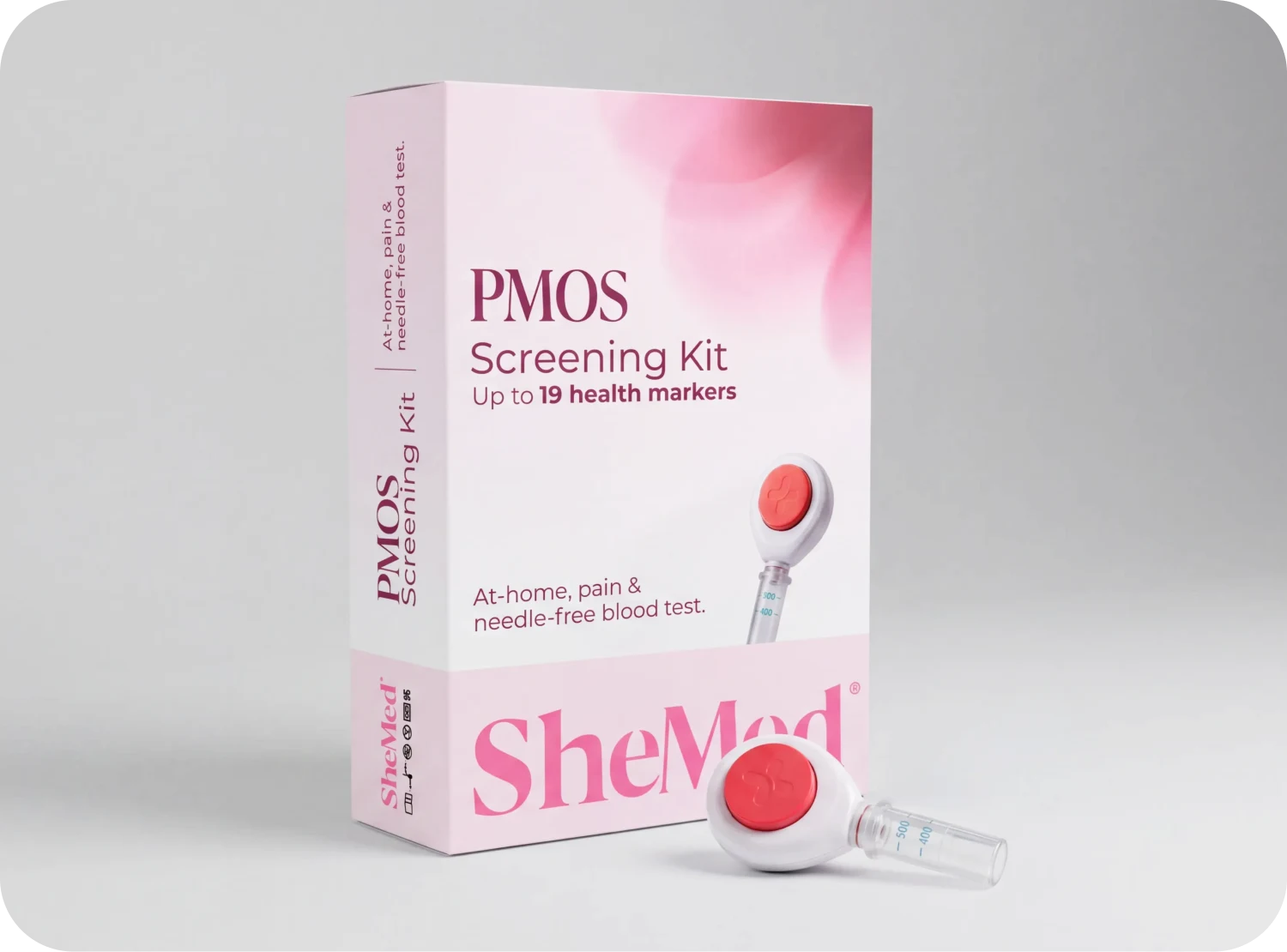
- If you want to understand your hormones before your next GP appointment, SheMed’s PMOS Screening Kit tests up to 19 markers from home. No needles, GP-led review included
What Is PMOS (Formerly PCOS)?
PCOS, which is now officially renamed PMOS (Polyendocrine Metabolic Ovarian Syndrome), is a hormonal condition that affects the ovaries and many other things besides them.
Why the name change you wonder?
Because the old name focused on cysts, but not everyone with PCOS actually has cysts on their ovaries. What they do have is a pattern of hormonal and metabolic imbalances that affect the whole body.
We’re looking at raised androgen levels (male hormones), insulin resistance, irregular ovulation, and inflammation, together in different combinations. This is why two people with PMOS can look completely different symptom-wise.
While this blog will give you an overview of the condition, we’ve written another one that dives deeper into the name change and what it means for you: What Is PCOS/PMOS? The Condition Explained.
PMOS vs PMS vs PMDD: What's the Difference?
All three of them share symptoms like mood swings, bloating, and fatigue, but they are very different conditions. PMS is cyclical and tied to your period. PMDD is a more severe clinical condition with significant mood symptoms. And PMOS is a hormonal and metabolic syndrome that affects you all month, not just during the days that lead up to your period.
You need to know the difference so you can choose the right treatment. Here’s an article that can help you understand the same: PCOS vs PMS vs PMDD: What's the Difference?.
Symptoms of PMOS
Irregular or Painful Periods
Periods that come and go whenever they feel like it, very light or very heavy periods, or sometimes no period at all. Disrupted ovulation, driven by hormonal imbalances, is the reason.
This is one of the main signs. You can read more about it here: PCOS and Periods: Irregular Cycles Explained.
Weight Gain and Bloating
You would’ve heard of the classic ‘PCOS belly’. It’s the PMOS-related weight gain that usually settles around the midsection. Eating more and moving less is not the reason for it. Rather, it is insulin resistance that makes your body store fat more easily and burn less efficiently.
Bloating is also really common in PMOS and certain foods can trigger it more. Read more about PCOS belly fat and bloating.
Hair, Skin and Other Symptoms
Increased androgen levels in the body can cause excess hair growth on the face, chest, or stomach (hirsutism), hair thinning on the scalp, and persistent hormonal acne. These are the symptoms that feel most visible and often most frustrating to manage.
If hair loss is something you’re dealing with, you can read our guide on PCOS and Hair Loss.
PMOS is like one of those conditions that leave you guessing. You may have a few of these symptoms, all of them, or some you wouldn’t even expect.
What Causes PMOS?
The exact cause of PMOS (formerly PCOS) isn’t fully understood, but research points to several factors working together. Insulin resistance can raise insulin levels, encouraging the ovaries to produce more androgens (“male hormones”), which can disrupt ovulation and cause irregular periods, acne and excess hair growth. Genetics also play a part, so PMOS can run in families, and low-grade inflammation is thought to contribute. It isn’t caused by anything you did or didn’t do.
We’ve written another blog on how insulin resistance and PMOS are connected and what you can do about it: PCOS and Insulin Resistance: Metformin and Beyond.
How Is PMOS Diagnosed in the UK?
In the UK, PMOS is typically diagnosed using the Rotterdam criteria. It includes 3 symptoms, and you need to meet at least two for PMOS to be confirmed.
1. Irregular or absent periods,
2. Signs of raised androgens (either symptoms or a blood test confirming it)
3. Polycystic ovary appearance on an ultrasound.
Blood tests will usually check LH, FSH, testosterone, SHBG, AMH, prolactin, and thyroid function. If PMOS is suspected, it is common for a GP to refer you to a gynaecologist. However, the diagnostic route is not always straightforward, and many women report being dismissed for years before getting a diagnosis.
Read more about it here: PCOS Diagnosis: Tests, Criteria and the UK Pathway.
Can PMOS Be Treated or Cured?
Currently, there is no absolute cure for PMOS, but there are ways of managing it effectively. The right treatment approach can make a big difference to symptoms, fertility, and long-term health. What "treatment" looks like depends a lot on your symptoms and priorities.
Metformin and Insulin Resistance Management
Metformin is often prescribed to improve insulin sensitivity, which in turn can help regulate periods, reduce androgen levels, and make weight management easier. It will not fix PMOS magically, but for many people it forms a foundational part of treatment.
The Contraceptive Pill
The combined pill is commonly prescribed for PMOS to regulate periods and manage androgen-related symptoms like acne and excess hair. It does not treat the underlying condition. It just helps in managing the symptoms. Read our full guide to PCOS and birth control.
Inositol and Supplements
Inositol, particularly myo-inositol, is one of the most researched supplements for PMOS. It can support insulin sensitivity and cycle regularity. However, it is not a substitute for prescribed treatment. See our guide to inositol for PCOS.
We’ve also written a detailed blog on Can PCOS Be Cured? What the Evidence Says.
PMOS, Weight Loss and GLP-1 Medications
Why Weight Loss Is Harder with PMOS
Weight loss with PMOS is not about willpower, and it is important for you to know this. Insulin resistance forces your body to hold on to fat more readily, and disrupted hormones affect appetite, cravings, and energy. This is why the standard diet advice of eat less and move more often underwhelms for people with PMOS because the underlying metabolic picture is different.
Read: PCOS Weight Loss — What Actually Helps.
How Mounjaro and Wegovy Can Help
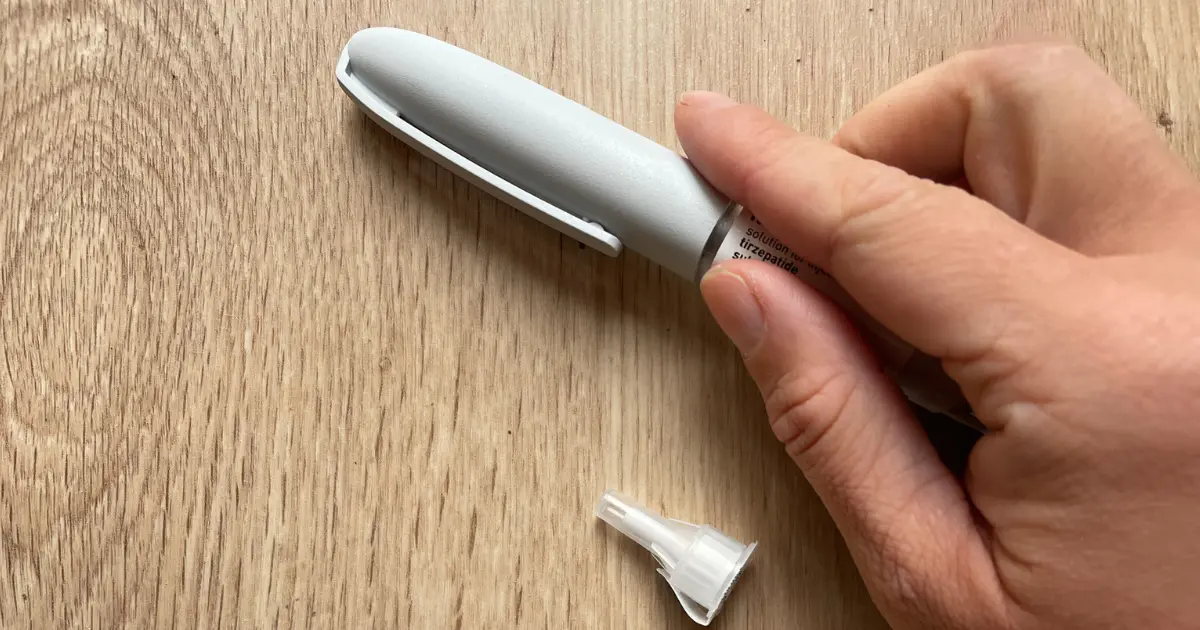
GLP-1 receptor agonists like Mounjaro (tirzepatide) and Wegovy (semaglutide) address insulin resistance directly. They support appetite regulation and can kickstart weight loss in a way that many PMOS patients have not been able to achieve through lifestyle changes alone.
Here’s more on them: Mounjaro and PCOS: What to Know and GLP-1 Medications and PMOS: The Full Picture.
Our purpose for writing this article was to give you an overview of what PMOS is as a condition and to guide you towards relevant articles that we’ve written on each sub-topic so you can choose the part that you want to dive deep into.
This article is also for guiding you towards our PMOS screening kit, because as we mentioned above – many women in the UK suffer from multiple symptoms of PMOS throughout their life without proper diagnosis and thus treatment. We don’t want that to happen to you.
Not Sure Where to Start? The PMOS Screening Kit Can Help
SheMed's PMOS Screening Kit tests up to 19 key markers, including reproductive hormones, androgens, thyroid, AMH, and cardiometabolic markers, from the comfort of home.
No needles: it uses Tasso+ painless blood collection, followed by a GP-led clinical review of your results.
Explore the PMOS Screening Kit at SheMed
Diet and Exercise for PMOS
Foods to Eat and Avoid
A low-GI diet is recommended for managing PMOS as it helps stabilise blood sugar. Whole grains, lean proteins, plenty of vegetables, and healthy fats are what you should be focusing on. Ultra-processed foods, refined carbohydrates, and excess sugar can spike insulin and worsen symptoms. See our full PCOS diet guide.
Best Types of Exercise
Exercise helps improve insulin sensitivity and regulate hormones, but not all of them work equally for PMOS. A combination of strength training and moderate-intensity cardio tends to outperform aggressive high-intensity regimes for this condition. Read: PCOS and Exercise — What Actually Works.
PMOS and Fertility
PMOS is one of the most common causes of fertility challenges in women, largely because of disrupted ovulation. But it does not mean you cannot get pregnant. Many people with PMOS conceive naturally or with relatively straightforward support. The key is understanding your cycle and working with a clinician who knows the condition well.
For a full guide: PCOS, Fertility and Pregnancy: What You Need to Know.
Frequently Asked Questions
What is the difference between PCOS and PMOS?
PMOS is simply the updated name for PCOS. The condition is the same - the renaming reflects a better scientific understanding that it's a whole-body metabolic and hormonal syndrome, not just an ovarian issue. If you have a PCOS diagnosis, you effectively have a PMOS diagnosis.
What are the early signs of PMOS?
Irregular periods, skin changes (acne, oily skin), unexpected weight gain particularly around the middle, excess facial or body hair, and fatigue are among the earliest signs. Many people don't connect these dots until they see a GP specifically about fertility or period problems.
Is PMOS the same as infertility?
No. PMOS affects ovulation and can make conception harder, but it is not the same as infertility. Many people with PMOS conceive naturally. Treatment to regulate ovulation, alongside lifestyle changes, significantly improves the odds for those who are trying.
Can you have PMOS and still have regular periods?
Yes. Regular periods don't rule out PMOS. You can still meet the diagnostic criteria based on raised androgen levels and ovarian appearance on ultrasound, even without irregular cycles. This is why PMOS is sometimes missed in people who don't tick every classic box.
Does losing weight help PMOS?
It can, particularly if insulin resistance is a factor. Even a modest reduction in weight — around 5 to 10% — can improve hormone levels, cycle regularity, and fertility. The challenge is that PMOS makes weight loss harder, which is where targeted medical support can make a real difference.
Can GLP-1 medications like Wegovy or Mounjaro help with PMOS?
Research and clinical experience suggest yes, particularly for people where insulin resistance and weight are contributing to symptoms. GLP-1 medications improve insulin sensitivity and support meaningful weight loss. Speak to a clinician to find out if this approach is right for you.
How is PMOS diagnosed in the UK?
Using the Rotterdam criteria: irregular or absent periods, signs of raised androgens (symptoms or blood test), and polycystic ovaries on ultrasound. You need to meet at least two of three. A GP referral is usually the starting point; blood tests and an ultrasound follow.
Living with PMOS can feel overwhelming, especially when you've been brushed off, misdiagnosed, or just left without answers. You are not imagining it, and you are not alone.
This guide is a starting point, not a substitute for your own clinical care.
If you want to understand your hormones before your next GP appointment, our PMOS Screening Kit tests up to 19 markers from home without needles, and with a GP-led review included.
Explore our PMOS Screening Kit
Further reading
🔗 NHS - PMOS (formerly PCOS)
🔗 NICE CKS - Polycystic Ovary Syndrome
🔗 The Lancet - PCOS renaming consensus
🔗 2023 International Evidence-Based PCOS Guideline (Monash University)
🔗 Cleveland Clinic - PCOS Overview
The content on the SheMed blog is provided for general informational and educational purposes only. While SheMed provides professional weight loss services and strives to ensure the information shared is accurate and up to date, we make no representations or guarantees as to its accuracy, completeness, or timeliness. This content should not be taken as personal medical advice or a substitute for consultation with a qualified healthcare provider. Always speak with your doctor or licensed medical professional about your individual health or medical needs before starting any new treatment or programme. Never disregard or delay seeking professional medical advice because of something you have read on this site. SheMed is not responsible for any actions you may take based on the information provided in this blog.
Related Articles