PMOS (formerly PCOS) and Hair Loss: Causes and Treatments
Medically reviewed by Puja Vyas, Lead Clinical Pharmacist.
Yes, PMOS (formally PCOS) can cause hair loss. The main driving factor behind it is the excess androgen, specifically a hormone called DHT (dihydrotestosterone), which causes scalp hair follicles to gradually shrink until they produce thinner, shorter hairs and eventually stop growing visible hair altogether.
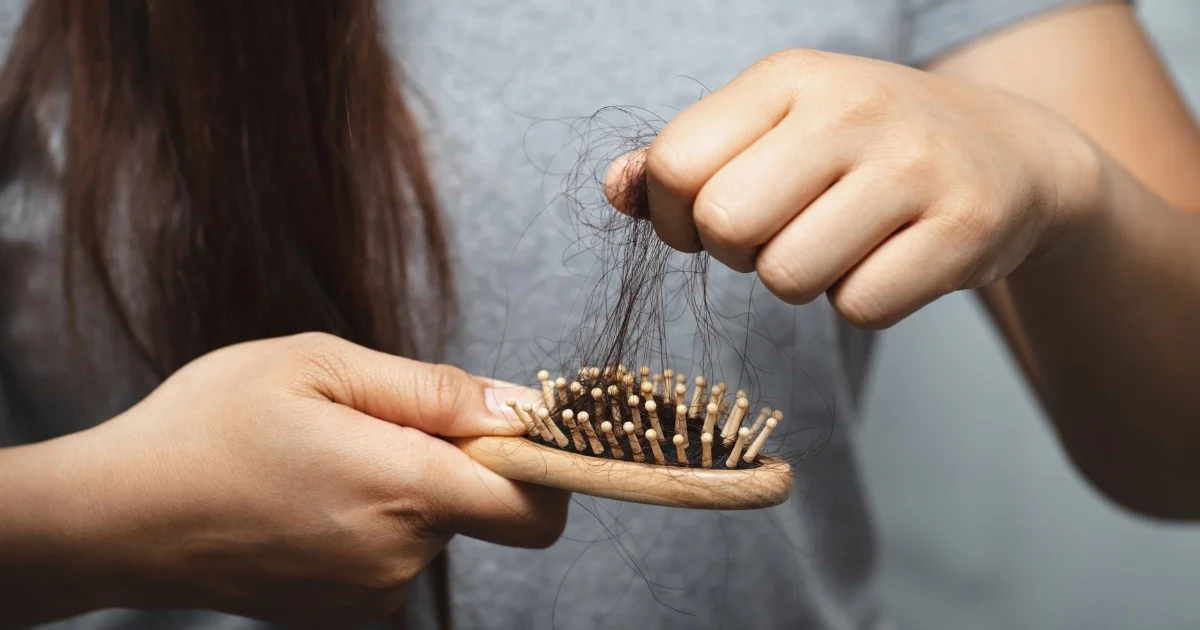
Hair thinning can go unnoticed as a symptom of PCOS/PMOS because it’s not easily visible to others, and happens slowly. Most women often end up spending months or years wondering whether they’re imagining it before anything is done.
If you’re one of them, you’re not imagining it. PMOS-related hair loss has a specific pattern, a specific cause, and specific treatments. This guide walks you through all three.

Why Does PCOS/PMOS Cause Hair Loss?
The Role of Androgens
Around 80% of women with PCOS (or PMOS as of May, 2026) have elevated androgen levels. These androgens include testosterone. But the one that is responsible for hair thinning or loss is called DHT (dihydrotestosterone), a more potent androgen that testosterone converts into.
DHT sticks to the receptors in scalp hair follicles and triggers a process called miniaturisation. This causes a shorter follicle growth cycle, which in turn leads to each cycle producing thinner and shorter hair. Eventually, the follicle shrinks to the point where it produces only fine, unpigmented vellus hairs, almost invisible.
This process is slow and gradual, which is why women often notice it over months or years before the pattern becomes obvious.
Androgenic Alopecia vs Other Causes of Hair Loss
PCOS-related hair loss is androgenic alopecia, a specifically female-pattern hair loss driven by DHT (dihydrotestosterone). But there can be other factors driving hair thinning in women too. They include -
- Androgenic alopecia (PCOS-related): It is driven by DHT and causes gradual thinning at the central parting and crown. The hairline is usually preserved here. It happens slowly over months to years and doesn’t resolve without treatment.
- Telogen effluvium: This comes with all-over shedding that is often dramatic and sudden. It gets triggered by a stressor like illness, surgery, significant weight loss, childbirth, nutritional deficiency, or severe emotional stress. The hair follicles in this case prematurely enter the shedding phase. It is usually temporary and resolves itself once the stressor goes away.
- Thyroid-related hair loss: Both underactive and overactive thyroid can cause diffuse thinning and is often accompanied by other thyroid symptoms.
- Iron deficiency: This is very common in women and can cause diffuse shedding that mimics or overlaps with androgenic alopecia. A ferritin level below 30 μg/L is considered hair-affecting in some guidelines, even when it technically falls within the ‘normal’ range.
Women with PCOS can even experience more than one type simultaneously. For example, androgenic alopecia from DHT plus telogen effluvium from significant weight loss on a GLP-1 medication. Hence, it is important to understand the underlying reason for the right treatment.
What Does PMOS-Related Hair Loss Look Like?
Hair thinning along the central parting that widens over time, and diffuse thinning at the crown is what PMOS related hair loss usually looks like. An easy way to verify is to look at the frontal hairline as it should be preserved, unlike the receding hairline pattern seen in male androgenic alopecia. The temples can sometimes get thinner, but the hairline itself typically stays intact.
The amount of hair shed daily may not seem very abnormal as the loss of density happens slowly and gradually. Women often notice it first in bright light, when their hair is wet, or when they see a photograph taken from above.
Is It PMOS or Something Else?
If you’re seeing your hair go thin and haven’t been investigated for PMOS, or if your hair loss is getting worse despite a PMOS diagnosis, the below conditions are worth checking for -
- Thyroid function: TSH, T4, and sometimes T3. Both hypothyroidism and hyperthyroidism can cause hair loss.
- Iron and ferritin: A serum ferritin below 70 μg/L is worth treating for hair-related purposes, even if a GP says it’s ‘normal’.
- Free androgen index / testosterone: To confirm the hormonal driver if not already known.
- Full blood count: To rule out anaemia.
It is also important to know that rapid weight loss, even as a result of GLP-1 medications can trigger telogen effluvium. However, it is temporary and hair typically starts recovering 3–6 months after the trigger, once weight loss stabilises. Adequate protein intake (1.2–1.5g per kg of body weight) can prove to be a very effective protection here.
Related: PCOS and weight loss: why it’s harder and what actually helps →
Treatment Options for PMOS-Related Hair Loss
It’s always better when the treatment is started before significant follicle miniaturisation has occurred. And this is why early diagnosis matters. The approach is typically layered:
Topical Minoxidil
Minoxidil is the first-line, licensed treatment for female-pattern hair loss in the UK. It works as a vasodilator, basically improving blood flow to hair follicles and extending the active growth phase. It doesn’t address the hormonal cause, but it actively stimulates the follicles while they’re still capable of responding.
You can get it over the counter as a 2% or 5% solution or foam which can be applied directly to the scalp once or twice. Results may take 3-6 months to show, but the key is consistency. Minoxidil needs to be used continuously, as hair thinning can return if it’s stopped.
Anti-Androgen Medication: Spironolactone
Spironolactone is an anti-androgen medication used off-label for hair loss in the UK.
It stops the androgens from interacting with hair follicles, which in turn prevents DHT from binding and triggering miniaturisation. In a study published in the Journal of the American Academy of Dermatology, 74.3% of patients treated with spironolactone experienced stabilisation or improvement in their pattern hair loss.
For women with PCOS/PMOS, spironolactone can even improve acne and reduce hirsutism (excess facial/body hair) through the same anti-androgen mechanism. It’s often prescribed in combination with topical minoxidil; one addresses the cause, the other promotes growth.
Important note: spironolactone is not suitable during pregnancy and requires contraception. Discuss with your GP or specialist.
The Combined Oral Contraceptive Pill
Some contraceptive pills can reduce androgen levels in women’s bodies by suppressing the androgen production in the ovaries and increasing sex hormone-binding globulin (SHBG), which mops up free testosterone.
Co-cyprindiol (Dianette) is specifically prescribed for androgen-driven symptoms including hair loss and acne in PMOS. The results in this method can take several months and are usually not sustainable as the effect stays only as long as you keep taking the pills.
Addressing the Underlying Insulin Resistance
This is probably the most important part of the article.
70-80% of women with PMOS face insulin resistance, which in turn drives androgen excess. This excess when reduced using lifestyle changes and GLP-1 medications can reduce the hormonal signal that’s causing follicle damage in the first place.
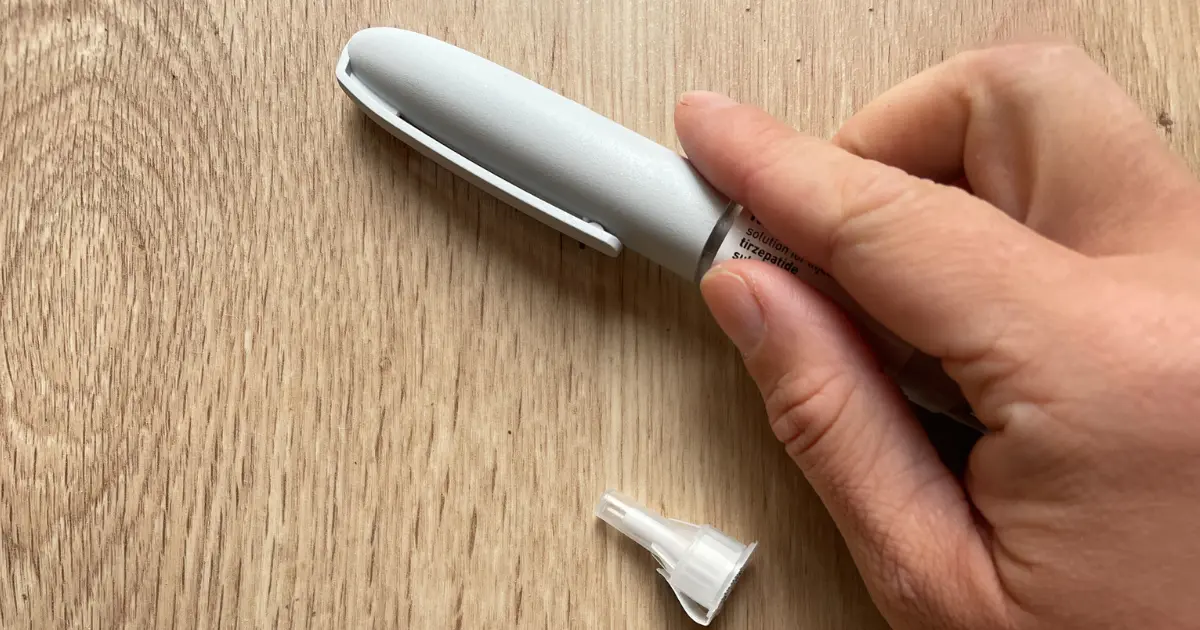
While GLP-1 medications like Wegovy and Mounjaro do not treat hair loss directly, they improve insulin sensitivity and reduce visceral fat, and lower the androgen levels that drive androgenic alopecia in PCOS.
Women who see significant androgen reduction as a result of weight loss often report slowing of hair loss as part of the broader hormonal improvement.
See SheMed’s GLP-1 treatment plans for women →
We’ve also got the newly launched Wegovy pill →
Lifestyle Support for Hair Health
Lifestyle plays a key role in reducing telogen effluvium and supporting what medical treatment is doing.
- Protein: Hair is primarily keratin, a protein. Chronic low protein intake accelerates shedding. Try to intake 1.2–1.5g per kg of body weight per day, especially if you’re losing weight.
- Iron and ferritin: Get levels checked. Look for supplements if it is below 70 μg/L. Iron deficiency and PCOS co-occur frequently.
- Vitamin D: Deficiency is common in PCOS/PMOS and is linked to hair loss. It is worth checking for, especially in the UK where sunlight is as scarce as a British person who will directly tell you they're annoyed with you.
- Zinc and biotin: Deficiency in either can contribute to hair shedding. While biotin supplements don’t have strong evidence for hair growth in people who aren’t deficient, they are worth taking if your levels are low.
- Scalp health: Regular gentle cleansing, avoiding excessive heat styling, and scalp massage (which has some evidence for improving follicle blood flow) can support the environment minoxidil needs to work in.
- Stress management: Chronic stress elevates cortisol, which worsens insulin resistance and can worsen both androgenic alopecia and telogen effluvium. Managing stress is extremely important in general, but more important for women with PCOS (PMOS).
PMOS touches almost every part of a woman's health, from how easily you lose weight, to what's happening with your hair, to which medications might actually help, to what changes when your hormones shift in midlife.
We've written a dedicated guide on each of these so you can go as deep as you need to on the parts that matter most to you right now.
- PCOS and weight loss: why it's harder and what actually helps →
- PCOS (PMOS): Symptoms, Causes and Treatment Explained →
- Mounjaro and PCOS: what the evidence says →
- PCOS and menopause: what changes and what doesn't →
- PCOS Diagnosis: Blood Tests, Criteria and How to Know If You Have It→
- PCOS and Insulin Resistance: What's the Connection, and What Helps?→
- GLP-1 Medications for PCOS: How They Help with Insulin Resistance →
- PCOS Diet: What to Eat, What to Limit, and What Actually Helps →
- PCOS, Periods and Pelvic Pain: What's Normal and What Isn't
- What Is PCOS (PMOS)? A Clear Explanation of Symptoms, Causes and Diagnosis→
- PCOS Belly Fat and Bloating: Why It Happens and What Actually Helps→
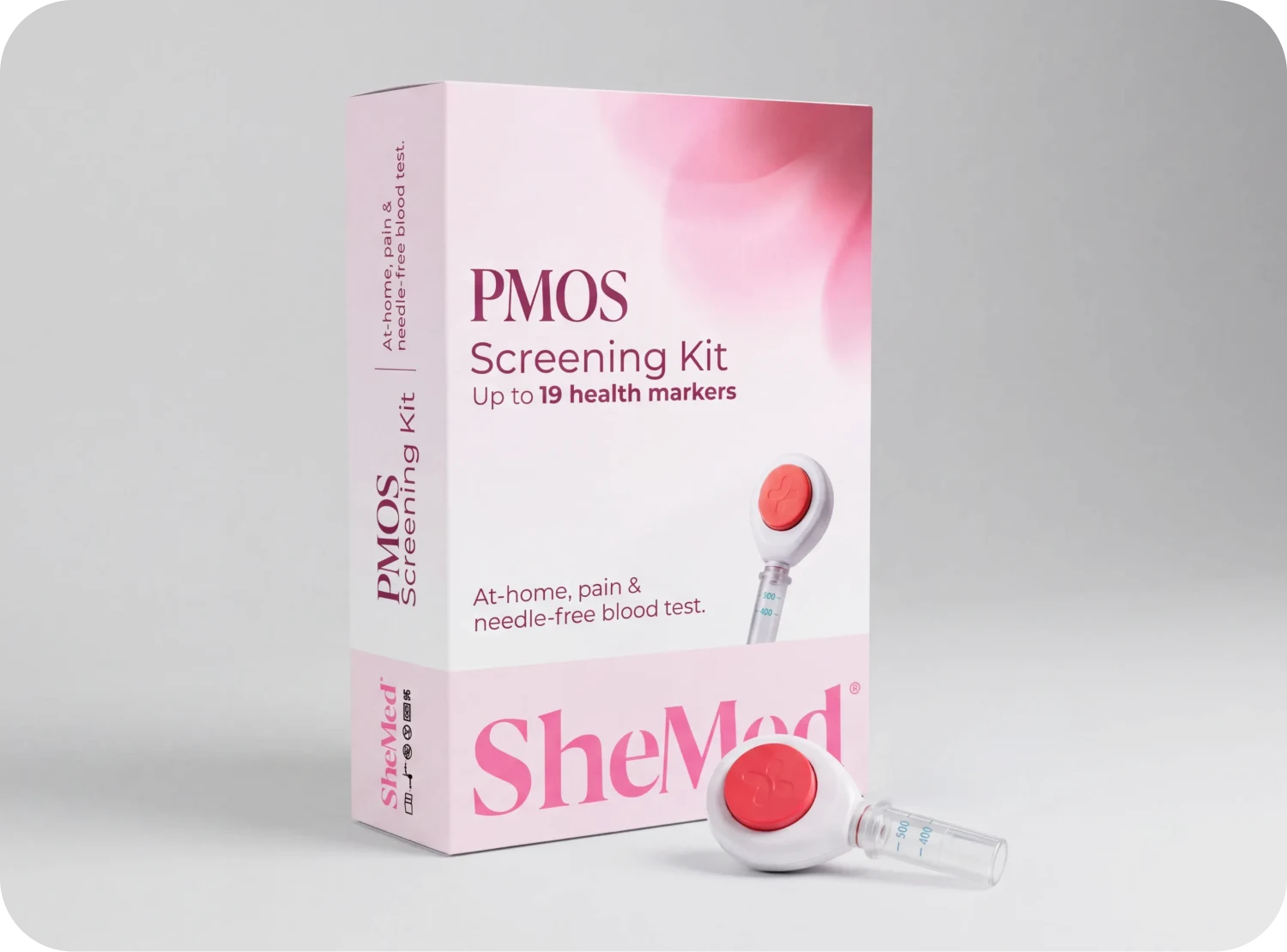
Think you might have PCOS (now PMOS)? Screen 19 health markers at home, reviewed by a clinician.
Frequently Asked Questions
Does PMOS cause hair loss?
Yes. PMOS can cause androgenic alopecia, hair loss driven by excess DHT (dihydrotestosterone) miniaturising scalp hair follicles. It affects women with PMOS who have elevated androgens, which is around 80% of those with the condition. It appears as gradual thinning along the central parting and crown rather than all-over shedding.
Does PMOS cause hair thinning or bald patches?
PMOS typically causes diffuse thinning along the central parting and crown rather than distinct bald patches. The hairline is usually preserved. Bald patches (patchy alopecia) is usually caused by alopecia areata, an autoimmune condition, rather than androgenic alopecia.
Can hair loss from PCOS/PMOS be reversed?
Partially, and the earlier you start treatment the better. Minoxidil can promote regrowth in follicles that haven’t fully miniaturised. Spironolactone can stabilize further loss and allow some recovery. Full reversal of established androgenic alopecia is unlikely with current treatments, but slowing or stopping further loss and improving overall density is achievable for most women.
What is the best treatment for PMOS-related hair loss?
A combination approach typically works best. Topical minoxidil as the first-line treatment to stimulate growth, combined with spironolactone to block the androgen driving the damage. Addressing the underlying insulin resistance through lifestyle changes, metformin, or GLP-1 medications can reduce the hormonal root cause.
Is hair loss a sign my PMOS is untreated or worsening?
Not necessarily. It can also occur in women who are receiving treatment for other aspects of PMOS if the androgen driver hasn’t specifically been addressed. However, progressive or worsening hair loss in PCOS can indicate that androgen levels remain elevated and that treatment strategy may need to be adjusted.
Sources & Further Reading
1. NHS — Polycystic Ovary Syndrome (PCOS): Symptoms
2. British Association of Dermatologists — Spironolactone
3. Cleveland Clinic — Polycystic Ovary Syndrome (PCOS)
4. Johns Hopkins Medicine — Polycystic Ovary Syndrome (PCOS)
5. World Health Organization — Polycystic Ovary Syndrome Fact Sheet
6. NHS — Hair Loss: Coping Tips for Women
7. Famenini S et al. — Spironolactone in Female Pattern Hair Loss. J Am Acad Dermatol, 2015
The content on the SheMed blog is provided for general informational and educational purposes only. While SheMed provides professional weight loss services and strives to ensure the information shared is accurate and up to date, we make no representations or guarantees as to its accuracy, completeness, or timeliness. This content should not be taken as personal medical advice or a substitute for consultation with a qualified healthcare provider. Always speak with your doctor or licensed medical professional about your individual health or medical needs before starting any new treatment or programme. Never disregard or delay seeking professional medical advice because of something you have read on this site. SheMed is not responsible for any actions you may take based on the information provided in this blog.
Related Articles