
PCOS (PMOS): Symptoms, Causes and Treatment Explained

Medically reviewed by Puja Vyas, Lead Clinical Pharmacist.
PCOS, or PMOS as it is now called, is one of the most common hormonal conditions that women in the reproductive age face. In fact, 1 in 8 to 10 women worldwide are affected by it, but most of them go undiagnosed. There are treatments available now. All it needs is the right diagnosis, and understanding the full picture is the first step.
For decades, women were told they had ‘polycystic ovaries’ and sent away with a leaflet. But the name itself told an incomplete story. It focused only on ovarian cysts, which a 2026 study confirmed don’t cause the condition at all. In May 2026, after a 14-year global effort involving 22,000 survey responses from patients and clinicians, the condition was officially renamed in The Lancet.
This article explains what PCOS/PMOS is, what causes it, how it’s diagnosed, and what your treatment options look like in the UK in 2026.

What Is PCOS, and Why Is It Now Called PMOS?
PCOS, or polycystic ovary syndrome, is a hormonal condition that affects women of reproductive age. Despite the name, the ‘cysts’ it refers to aren’t cysts at all. They are small, immature follicles that haven’t released an egg. And while the ovaries are one site of the condition’s effects, they are far from the whole picture.
The Name Change Explained
On 12 May 2026, a paper published in The Lancet officially renamed the condition to PMOS or Polyendocrine Metabolic Ovarian Syndrome. The new name came after 14 years of global collaboration with inputs from 56 leading academic, clinical, and patient organisations, including the Endocrine Society and Verity (the UK’s PCOS charity).
Here’s what the new name represents -
- Polyendocrine: acknowledges that multiple interacting hormonal disturbances drive the condition including insulin, androgens, and neuroendocrine hormones, not just ovarian function
- Metabolic: recognises that insulin resistance, weight, type 2 diabetes risk, and cardiovascular factors are core features, not side issues
- Ovarian: retains the connection to ovarian dysfunction and fertility
A parallelly published paper even confirmed that there is no actual increase in the abnormal ovarian cysts in the condition. This means that the original name was not only misleading, it was clinically inaccurate.
Does the New Name Change Your Diagnosis or Care?
Not really. The diagnostic criteria remain the same. The medications remain the same. It’s just the name that more accurately reflects the full metabolic and hormonal picture of what you’re dealing with.

How Common Is PCOS?
More than 170 million women globally, which is almost 1 in 8 to 10 women of reproductive age, are affected by PCOS. This makes it one of the most common endocrine conditions in this age group.
Despite this, studies consistently find that up to 70% of the cases remain undiagnosed. The reasons can be varied, including symptoms that are easy to attribute to other causes, or clinicians often looking at the ovaries rather than the full metabolic picture because of the name itself. Moreover, women’s health conditions are historically under-researched and underdiagnosed.
We’ve seen many women who have spent years trying to find answers for irregular periods, unexplained weight gain and/or acne.
What Causes PCOS?
PCOS is usually driven by a combination of hormonal, metabolic, and genetic factors that interact with each other. They include -
Hormonal Imbalance: Androgens and Insulin
Women with PCOS/PMOS typically produce higher-than-normal levels of androgens (female version of testosterone). This disrupts the maturation and release of eggs, driving irregular or absent ovulation. It also causes symptoms like acne, excess facial or body hair, and scalp hair thinning.
Insulin Resistance
70-80% of women with PCOS experience insulin resistance regardless of their body weight. And when your cells don’t respond normally to insulin, your body tends to produce more of it. The excess insulin directly stimulates the ovaries to produce more androgens. This creates a cycle: insulin resistance -> androgen excess -> disrupted ovulation -> hormonal imbalance. And excess visceral fat worsens insulin resistance.
This is where weight management through lifestyle and medication can play a big role for women with PCOS. It can help improve insulin sensitivity, which in turn can help restore ovulation and improve most other symptoms.
Genetics and Family History
PCOS is largely genetic. First degree female relatives like mothers and sisters of women with the condition usually have a very high chance of being affected.
But it’s not a single gene that causes it. It’s actually a combination of environmental factors including diet, activity, and body composition that influence how strongly genetic predisposition expresses.
PCOS Symptoms
PCOS is a full-body condition with symptoms across multiple systems. Most women have only two or three. They can include -
Reproductive Symptoms
- Irregular, infrequent, or absent periods (oligomenorrhoea or amenorrhoea)
- Difficulty conceiving due to irregular or absent ovulation
- Enlarged ovaries with multiple small follicles visible on ultrasound
Metabolic Symptoms
- Unexplained weight gain, particularly around the abdomen
- Difficulty losing weight despite effort
- Insulin resistance, which may show up as elevated fasting glucose or HbA1c on blood tests
- Higher long-term risk of type 2 diabetes and cardiovascular disease
Skin and Hair Symptoms
- Acne, particularly on the jaw, chin, and lower face
- Hirsutism, which is excess hair on the face, chest, or abdomen
- Scalp hair thinning, similar to female-pattern baldness
- Darker skin patches (often linked to insulin resistance)
Mental Health Symptoms
There have been significantly higher rates of anxiety, depression, and body image concerns in women with PCOS than the general population. This is because hormonal and metabolic dysregulation directly influence mood, energy, and stress response.
How Is PCOS Diagnosed?
PCOS is diagnosed when a woman meets 2 of the following 3 criteria.
- Irregular cycles: fewer than 8 periods per year, or cycles longer than 35 days. This indicates absent or infrequent ovulation
- Clinical or biochemical androgen excess: either visible signs such as acne, hirsutism, or scalp thinning, or elevated androgens on a blood test
- Polycystic ovarian morphology: either 12 or more small follicles visible on ultrasound, or an elevated AMH (anti-Müllerian hormone) blood test
What Tests to Expect
- Blood tests: testosterone, free androgen index, LH, FSH, oestradiol, AMH, fasting glucose, HbA1c, lipid profile, thyroid function (to rule out thyroid causes of similar symptoms)
- Ultrasound: pelvic ultrasound to assess ovarian morphology and follicle count
- AMH: elevated AMH is now widely used as an alternative to ultrasound for assessing ovarian morphology, particularly in adolescents where ultrasound can be less reliable
If your GP has dismissed your concerns without investigations, or given a diagnosis without exploring the metabolic picture, you are entitled to push for a full assessment or a referral to a specialist.
Treatment Options for PCOS
Lifestyle and Diet
Lifestyle changes form the primary treatment for women with PCOS and insulin resistance. This is because reduced visceral fat, regular movement and eating foods with lower glycaemic index directly improve insulin sensitivity.
Foods like oats, legumes, non-starchy vegetables, lean protein, etc. that come with a low GI can significantly reduce insulin spikes. On top of this a routine with regular physical activity, especially weight training, can improve insulin sensitivity irrespective of the weight loss.
Medication
- Combined oral contraceptive pill: reduces androgen production and regulates periods. Does not treat the underlying metabolic condition but manages many of the visible symptoms.
- Metformin: an insulin-sensitising medication commonly prescribed alongside or as an alternative to the pill. Improves insulin resistance directly, can restore ovulation, and is sometimes used in women trying to conceive.
- Anti-androgens (e.g. spironolactone): prescribed for significant hirsutism or acne when other options haven’t been sufficient.
Weight Loss Medication and PCOS/PMOS
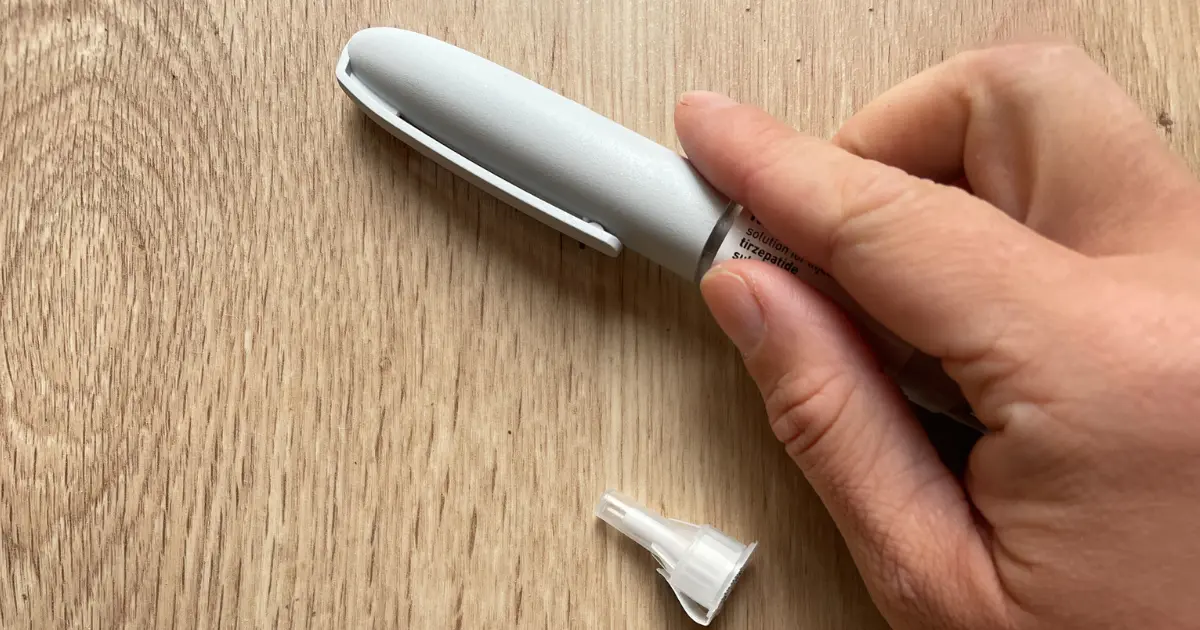
Women with PCOS or more precisely PMOS, can extract more benefit from GLP-1 medications like Mounjaro and Wegovy. This is because they work on the metabolic root of the condition that improves insulin sensitivity, reducing visceral fat, and often restoring ovulation as a downstream effect of weight loss.
Women with PCOS/PMOS usually find it very difficult to lose weight because of the insulin resistance. This is why their experience with GLP-1 medications is particularly better because they address the very same problem directly – insulin resistance.
PCOS (PMOS) touches almost every part of a woman's health, from how easily you lose weight, to what's happening with your hair, to which medications might actually help, to what changes when your hormones shift in midlife.
We've written a dedicated guide on each of these so you can go as deep as you need to on the parts that matter most to you right now.
- PCOS and Weight Loss: Why It’s Harder, and What Actually Helps
- PCOS and hair loss: causes and treatment options →
- Mounjaro and PCOS: what the evidence says →
- PCOS and menopause: what changes and what doesn't →
- PCOS Diagnosis: Blood Tests, Criteria and How to Know If You Have It→
- PCOS and Insulin Resistance: What's the Connection, and What Helps?→
- GLP-1 Medications for PCOS: How They Help with Insulin Resistance →
- PCOS Diet: What to Eat, What to Limit, and What Actually Helps →
- PCOS, Periods and Pelvic Pain: What's Normal and What Isn't
- What Is PCOS (PMOS)? A Clear Explanation of Symptoms, Causes and Diagnosis→
- PCOS Belly Fat and Bloating: Why It Happens and What Actually Helps→
More curious about GLP-1 medications?
Keep reading: Mounjaro vs Wegovy: which is right for you →
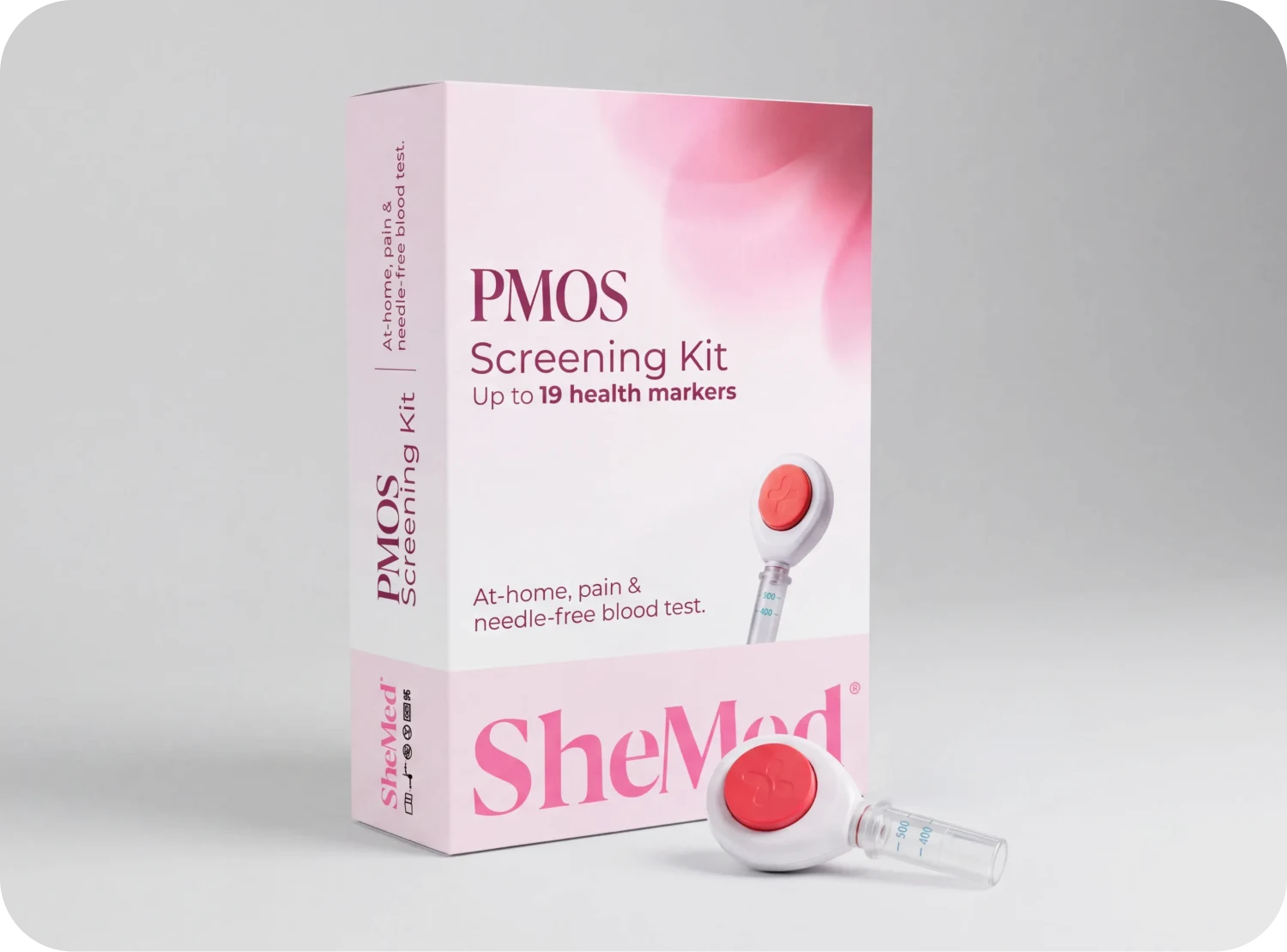
Think you might have PCOS (now PMOS)? Screen 19 health markers at home, reviewed by a clinician.
Frequently Asked Questions
What is the difference between PCOS and PMOS?
PCOS and PMOS are the same. PMOS, polyendocrine metabolic ovarian syndrome, is the new official name of PCOS (The Lancet, May 2026). It more accurately reflects that it is driven by multiple hormonal disturbances and has significant metabolic features, not just ovarian cysts.
What are the three signs of PCOS?
The three diagnostic criteria are: irregular or absent periods (indicating disrupted ovulation), clinical or biochemical signs of androgen excess (such as acne, hirsutism, or elevated testosterone on a blood test), and polycystic ovarian morphology on ultrasound or elevated AMH. Any 2 out of the 3 confirms the condition.
Can PCOS be cured?
It cannot be cured entirely, but it is highly manageable. Many women see significant improvement in symptoms, cycle regularity, and metabolic markers through lifestyle changes, medication, and weight management. For some women, symptoms reduce substantially in perimenopause as hormone levels shift, though metabolic risks may persist.
What is the main cause of PCOS?
There is no single cause. PCOS (now PMOS) arises from a combination of hormonal imbalance (particularly androgen excess), insulin resistance, and genetic predisposition. These cause elevated insulin, which drives androgen production, which disrupts ovulation, which perpetuates hormonal imbalance.
Does PCOS get worse with age or after menopause?
The experience changes with age. Reproductive symptoms (irregular periods, fertility challenges) often shift in perimenopause and reduce after menopause. However, the underlying metabolic risks, including insulin resistance, cardiovascular disease risk, and type 2 diabetes, do not disappear. Women with PCOS may need ongoing monitoring of metabolic health even after periods stop.
Sources & Further Reading
1. Teede HJ et al. — Polyendocrine Metabolic Ovarian Syndrome, the new name for PCOS. The Lancet. 2026.
2. Endocrine Society — PMOS: New Name to Improve Diagnosis and Care (May 2026)
3. World Health Organization — Polycystic Ovary Syndrome Fact Sheet
4. NHS — Polycystic Ovary Syndrome (PCOS)
5. Cleveland Clinic — Polycystic Ovary Syndrome (PCOS)
6. Teede H, Deeks A, Moran L. — PCOS: a complex condition. BMC Medicine, 2010. PMID: 20591140
7. Johns Hopkins Medicine — Polycystic Ovary Syndrome (PCOS)
8. Wikipedia — Polyendocrine Metabolic Ovarian Syndrome
The content on the SheMed blog is provided for general informational and educational purposes only. While SheMed provides professional weight loss services and strives to ensure the information shared is accurate and up to date, we make no representations or guarantees as to its accuracy, completeness, or timeliness. This content should not be taken as personal medical advice or a substitute for consultation with a qualified healthcare provider. Always speak with your doctor or licensed medical professional about your individual health or medical needs before starting any new treatment or programme. Never disregard or delay seeking professional medical advice because of something you have read on this site. SheMed is not responsible for any actions you may take based on the information provided in this blog.
Related Articles