PCOS Diet: What to Eat, What to Limit, and What Actually Helps

Medically reviewed by Puja Vyas, Lead Clinical Pharmacist.
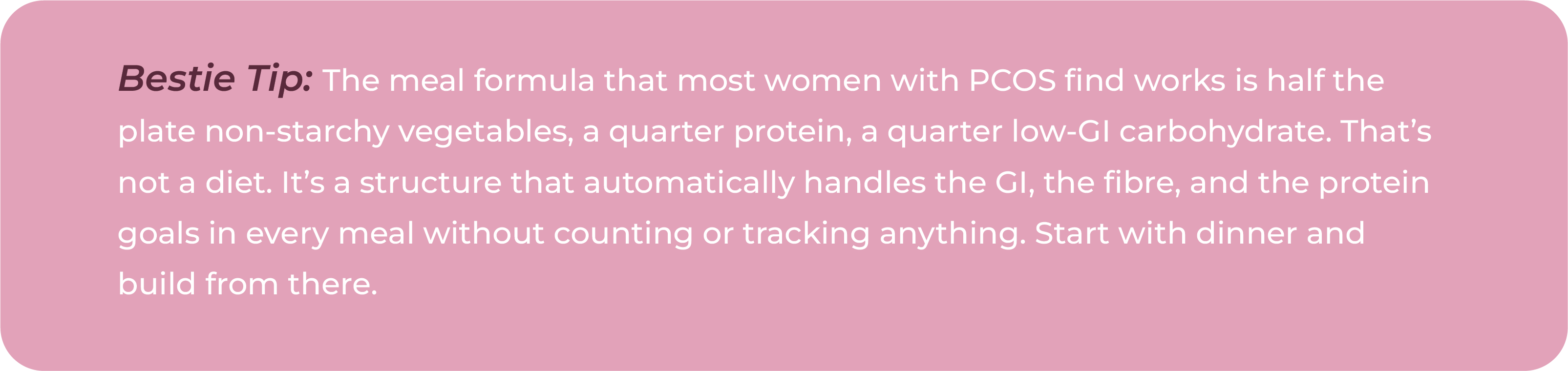
There isn’t a universal PCOS diet that works for every woman. But there are clear guidelines that can help. A diet that keeps blood sugar stable, reduces inflammation and supports insulin sensitivity consistently can improve PCOS outcomes.
Protein at every meal, plenty of fibre, omega-3-rich fats, and consistent meal timing are the four principles that most clinical research for PCOS mention. We’ve tried to cover all of them, including foods to prioritise, the foods to limit, and the supplements with genuine evidence behind them.
Side note: PCOS is now also referred to clinically as PMOS (polyendocrine metabolic ovarian syndrome), following a May 2026 Lancet rename. This article uses PCOS throughout.

Why Diet Matters So Much in PCOS
PCOS is a metabolic condition, not just a reproductive one. Insulin resistance is present in 70 to 80% of women with PCOS, and it is the main cause of most of the symptoms including the androgen overproduction, the disrupted ovulation, the weight that feels impossible to shift, the acne that flares after certain foods. And what you eat directly affects the insulin in your body. This makes dietary choices one of the most consistent levers available for managing PCOS symptoms.
Having said that, diet is not a replacement for medical treatment where needed. But it surely can complement it in a major way.
You can read about the full insulin resistance picture here: PCOS and insulin resistance: what’s the connection and what helps →
The Best Diet Approaches for PCOS
Low-GI Eating: The Direct Route to Insulin Stability
The glycaemic index (GI) measures how quickly a food item raises the sugar level in your blood. A food item with a low GI score will produce gradual, steady rises rather than sharp spikes. Since insulin release is triggered by blood sugar levels, eating foods with lower-GI directly reduces the insulin surges that drive many PCOS symptoms.
Even with a modest weight loss of 4 to 5%, a low-GI diet was shown to produce a threefold improvement in whole-body insulin sensitivity in PCOS women. This means that the dietary composition makes a difference independently of the scales.
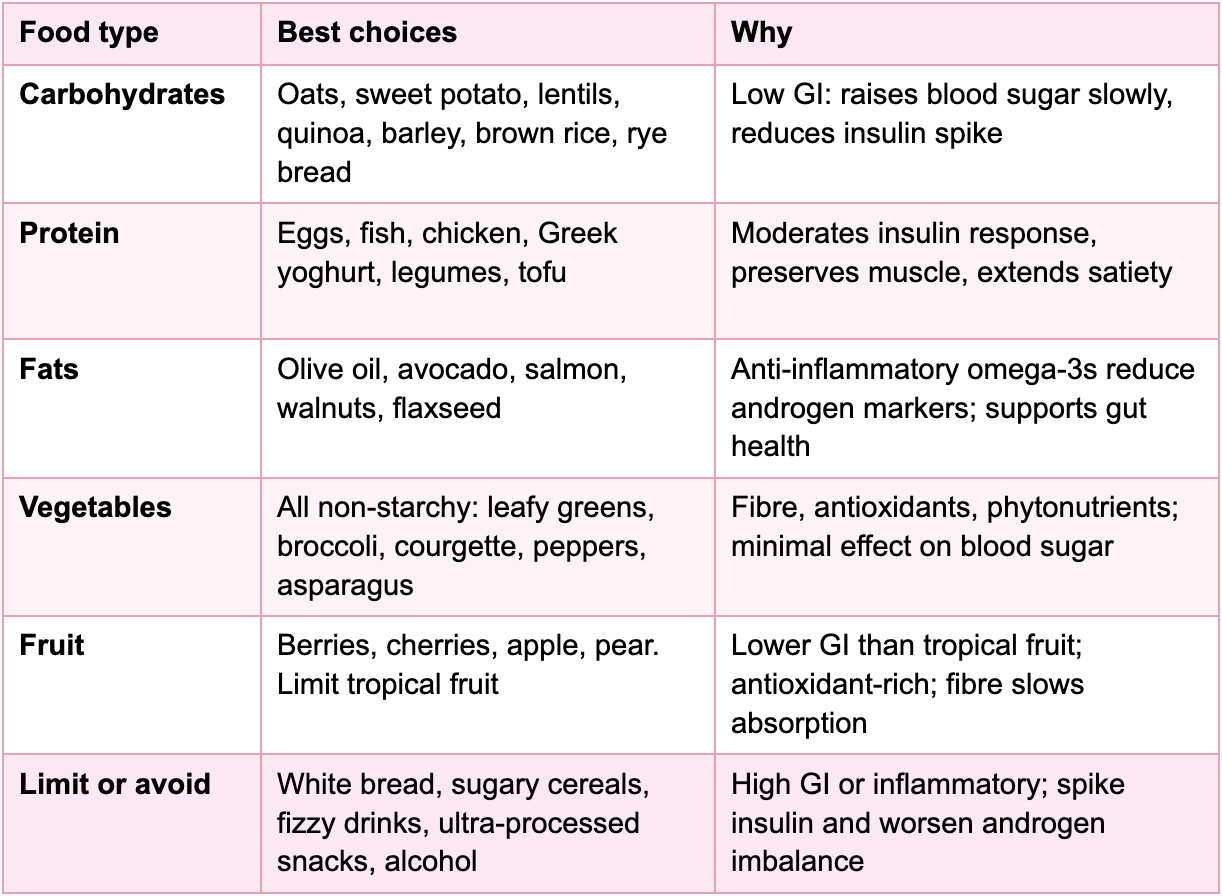
So, what you ought to do is replace your white refined carbohydrates like bread, white pasta, white rice, sugary cereals, processed snacks with wholegrain alternatives like legumes, oats, sweet potato, and non-starchy vegetables. It does not mean avoiding carbohydrates entirely.
The Mediterranean Diet: Anti-Inflammatory and Metabolically Supportive
Mediterranean eating emphasises olive oil, oily fish, vegetables, legumes, whole grains, nuts and seeds, and moderate amounts of dairy and lean protein, with red meat eaten rarely. This diet has the most comprehensive evidence base of any dietary pattern for PCOS.
PCOS is a low-grade inflammatory condition as elevated inflammatory markers are consistently found in women with the condition and worsen symptoms including acne, fatigue, and metabolic dysfunction. The Mediterranean diet combines the benefits of low-GI eating and anti-inflammatory effects.
Research has found it is associated with lower androgen levels, improved insulin sensitivity, and better body composition in women with PCOS compared to control diets.
Protein at Every Meal
Protein slows how quickly food leaves the stomach and thus moderates the insulin response to carbohydrates. It keeps you full for a longer time, which supports a calorie deficit without the constant hunger that causes many to abandon their dietary changes. It also preserves muscle mass during weight loss, which is very important because your muscles are the primary avenue for glucose uptake.
You should aim for a protein source at every meal. Go for eggs or Greek yoghurt at breakfast, lean protein or legumes at lunch and dinner. Around 1.2 to 1.5g of protein per kg of body weight daily is a reasonable target for you if you’re managing both, PCOS and weight.
Fibre: The Missing Conversation in Most PCOS Diet Guides
Fibre slows glucose absorption from the gut, feeds beneficial gut bacteria that produce fatty acids with anti-inflammatory effects, and supports hormonal balance. The NHS recommends 30g of fibre daily for adults, but most women in the UK consume only around 17g.
Here are some great high-fibre foods - lentils, chickpeas, kidney beans, oats, broccoli, Brussels sprouts, flaxseed, chia seeds, berries, and pears. These are also low-GI, so fibre and GI goals overlap significantly in practice.
What to Eat With PCOS: Best and Worst Choices
What to Limit or Avoid With PCOS
High-GI and Ultra-Processed Foods
Foods that spike blood sugar quickly are the worst when trying to manage PCOS. White bread, sugary breakfast cereals, rice cakes, fizzy drinks (including fruit juice), sweets, biscuits, and ultra-processed snack foods all produce rapid insulin surges that stimulate androgen production in the ovaries.
You don’t need to cut all of them completely (though it would be the best if you did). Consistently reducing them can provide you the most reliable improvement in PCOS markers.
Alcohol
Alcohol is high in empty calories, impairs liver function (which affects how androgens are metabolised), disrupts sleep quality, raises cortisol, and in some forms (beer, cider, sweet wine) has a significant blood sugar impact.
An occasional drink won’t create a crisis, but if symptoms are significant, reducing it can be a meaningful dietary change.
Dairy
Dairy is a contested topic in PCOS management. Some research suggests that full-fat dairy may increase androgen levels in susceptible women, while other research finds no meaningful effect or even a protective metabolic effect. We’ve found mixed evidence on this.
For most of you, moderate dairy consumption as part of a balanced diet won’t really worsen PCOS. But if you suspect dairy is affecting your acne specifically, an elimination trial of 4 to 6 weeks, keeping everything else constant, can help you find out if dairy is suitable for your body or not.
Is Intermittent Fasting Good for PCOS?
The evidence on intermittent fasting specifically for PCOS is mixed and limited. Some small studies suggest benefits for insulin sensitivity and weight. However, extended fasting periods can worsen cortisol patterns, which is already elevated in many women with PCOS and exacerbates insulin resistance. Skipping breakfast specifically has been associated with worse androgen and insulin profiles in PCOS research. A consistent eating pattern with protein-rich meals is better supported by current evidence than prolonged fasting windows.
Meal Timing and Eating Patterns
Why Skipping Breakfast Makes PCOS Symptoms Worse
Skipping breakfast, or having a very low-protein, high-carbohydrate breakfast, is a recipe for a counterproductive blood sugar pattern across the day for PCOS.
Research found that eating a larger breakfast with protein, a moderate lunch, and a smaller dinner was associated with significantly lower insulin and androgen levels compared to a breakfast-skipping or front-loaded evening eating pattern.
This is also because the body handles glucose better earlier in the day, and front-loading calories toward breakfast and lunch rather than dinner is associated with lower insulin responses to equivalent amounts of food.
Consistent Meal Timing and Blood Sugar Regulation
Eating at consistent times each day, with protein at each meal, reduces blood sugar variability across the day. It is not about snacking continuously or never going more than three hours without food. It is about avoiding the pattern of large gaps followed by large meals. That’s what causes blood sugar peaks and the insulin surges that follow.
PCOS Supplements With Genuine Evidence
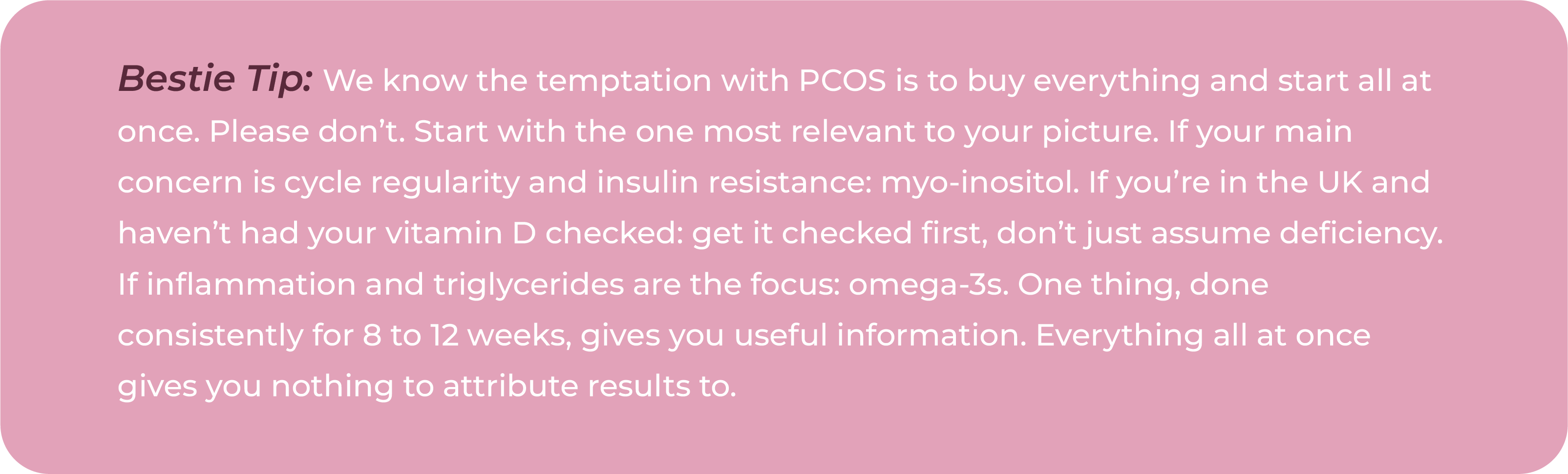
Most supplements marketed for PCOS out there have limited or no robust clinical evidence. The below are the exceptions with meaningful data behind them (in order of evidence strength.)
Myo-Inositol: The Best-Evidenced Supplement for PCOS
Myo-inositol is a naturally occurring compound that acts as an insulin signalling molecule in the body. Women with PCOS usually face an impaired inositol metabolism. Supplementation has been shown to improve insulin sensitivity, reduce androgen levels, and restore ovulation and cycle regularity.
A 2025 systematic review in the Journal of Clinical Endocrinology and Metabolism found myo-inositol to have generally favourable effects that are well-tolerated. 4g dose of myo-inositol per day is the one that has the most evidence. It is available over the counter in the UK, but do check with your prescriber before running to buy it.
Vitamin D
Vitamin D deficiency is common across the UK for obvious reasons (sunshine is as scarce as a warm Bank Holiday), and is more prevalent in women with PCOS. Low Vit D worsens insulin resistance in PCOS.
A randomised controlled trial showed improved insulin measures in women with PCOS and obesity. Having said that, supplements provide meaningful benefits only if your levels are actually low. So before committing to a standard 1,000 IU daily maintenance dose, do get your vitamin D tested.
Omega-3 Fatty Acids
Omega-3s (EPA and DHA, found in oily fish and algae-based supplements) are anti-inflammatory and have shown improvements in triglycerides, insulin markers, and waist circumference in women with PCOS at doses of 1 to 3g of combined EPA and DHA daily for at least 8 weeks. Eating oily fish (salmon, mackerel, sardines) two to three times per week can provide you with a meaningful amount. For vegans and vegetarians, there are multiple supplements available in the market now.
Magnesium
Magnesium plays a role in insulin signalling and glucose metabolism. Its deficiency is more common in insulin-resistant states. There are some studies that suggest supplementation may improve insulin sensitivity in women with PCOS. It also supports sleep quality and reduces stress-related cortisol, both of which worsen PCOS symptoms. Dark leafy greens, nuts, seeds, and dark chocolate are your friends if you’re looking for natural magnesium.
PCOS Diet and Weight Loss
Weight loss with PCOS can be really harder than in women without the condition. Insulin resistance, elevated androgens, disrupted appetite signalling, and the psychological burden of a condition that has often been poorly managed are what you’re trying to fight with using the conventional diet advice that everyone shares loosely.
A perfect diet is not the goal. It is consistent, sustainable dietary changes that reduce insulin spikes and inflammatory load across most days. Even 5% body weight loss consistently produces improvements in insulin sensitivity, androgen levels, and cycle regularity in PCOS.
You can read more about weight loss and PCOS to understand the full picture:
- PCOS and weight loss: why it's harder and what actually helps →
- PCOS and hair loss: causes and treatment options →
- PCOS (PMOS): Symptoms, Causes and Treatment Explained →
- Mounjaro and PCOS: what the evidence says →
- PCOS Diagnosis: Blood Tests, Criteria and How to Know If You Have It→
- GLP-1 Medications for PCOS: How They Help with Insulin Resistance →
- PCOS, Periods and Pelvic Pain: What's Normal and What Isn't
- What Is PCOS (PMOS)? A Clear Explanation of Symptoms, Causes and Diagnosis
- PCOS Belly Fat and Bloating: Why It Happens and What Actually Helps→
Think you might have PCOS (now PMOS)? Screen 19 health markers at home, reviewed by a clinician.
Frequently Asked Questions
What is the best diet for PCOS?
There is no single diet that has been universally proven the best for PCOS. However, low-GI eating and the Mediterranean dietary pattern have the strongest combined evidence for improving insulin resistance, reducing androgen markers, and supporting weight management. Both emphasise whole grains, legumes, vegetables, lean protein, and healthy fats while limiting refined carbohydrates and ultra-processed foods.
What foods should I avoid with PCOS?
Limit white refined carbohydrates like white bread, white rice, sugary cereals, and fizzy drinks and fruit juice, ultra-processed snacks, and alcohol. These spike blood sugar and insulin, which directly stimulates androgen overproduction in PCOS. You do not need to eliminate these completely, but consistent reduction can improve PCOS markers.
What are the best foods to eat with PCOS?
Oats, lentils, chickpeas, quinoa, broccoli, leafy greens, berries, salmon, eggs, Greek yoghurt, olive oil, avocado, walnuts, and flaxseed. These provide low-GI carbohydrates, anti-inflammatory omega-3s, fibre, and protein that collectively support insulin sensitivity and hormonal balance.
Does the Mediterranean diet help PCOS?
Yes. The Mediterranean diet has been associated with lower androgen levels, improved insulin sensitivity, and better body composition in women with PCOS. Its combination of low-GI carbohydrates, omega-3-rich oily fish, olive oil, and vegetables provides anti-inflammatory and insulin-stabilising effects that directly address the metabolic drivers of PCOS.
What supplements help with PCOS?
Myo-inositol (4g per day) has the most robust evidence, improving insulin sensitivity and cycle regularity. Vitamin D (if deficient, check blood levels first), omega-3 fatty acids (1 to 3g EPA and DHA daily), and magnesium (200 to 300mg daily) also have supporting evidence. Speak to your prescriber before adding supplements, particularly if you are already on metformin or other medications.
Does eating sugar make PCOS worse?
Eating foods that cause rapid blood sugar spikes, including added sugar and high-GI refined carbohydrates, can worsen PCOS symptoms by driving insulin surges that stimulate androgen overproduction in the ovaries. Natural sugar in whole fruit, eaten with fibre, is not classified as free sugar by the NHS and has a more moderate insulin effect. Reducing added sugars and high-GI foods is one of the most direct dietary changes for PCOS management.
Sources and Further Reading
2. PMC – Adherence to the Mediterranean Diet and Body Composition in Women With PCOS (PMC6836220)
4. PMC – Dietary Supplements in Polycystic Ovary Syndrome: Current Evidence (PMC11466749)
5. Nutritionist Resource UK – Dietary Guidelines in PCOS: An Update (December 2024)
6. BMC Medicine – PCOS: A Complex Condition (Teede, Deeks, Moran, 2010. PMID: 20591140)
7. 2023 International Evidence-Based PCOS Guideline Summary (Monash University)
8. NHS – Polycystic Ovary Syndrome (PCOS) Overview
The content on the SheMed blog is provided for general informational and educational purposes only. While SheMed provides professional weight loss services and strives to ensure the information shared is accurate and up to date, we make no representations or guarantees as to its accuracy, completeness, or timeliness. This content should not be taken as personal medical advice or a substitute for consultation with a qualified healthcare provider. Always speak with your doctor or licensed medical professional about your individual health or medical needs before starting any new treatment or programme. Never disregard or delay seeking professional medical advice because of something you have read on this site. SheMed is not responsible for any actions you may take based on the information provided in this blog.
Related Articles