
Struggling to Lose Weight? Your Hormones and Weight Gain Connection Might Be the Answer

Medically reviewed by Rachael Joy, Chief Clinical & Strategy Officer.
You perform all required activities which you need to complete. Your eating habits remain under control while your physical activity continues and you work to maintain regularity. Your weight remains unchanged when you expect it to improve and people in your life fail to provide satisfactory answers about the situation.
Before you blame your willpower or your metabolism in some vague general sense, it is worth looking more carefully at the specific hormones that govern how your body stores and burns fat. The answers exist within their hormonal profile for a large portion of people who experience feeling trapped.
Why Hormones and Weight Gain Are More Closely Connected Than Most People Realise
Hormones function as chemical signals which control nearly all major bodily functions. The body uses hormones to control appetite, fat storage patterns, energy levels, sleep quality, and metabolic rate.
One hormone imbalance produces multiple effects because hormonal systems operate through interconnected pathways, which explains why people experience weight gain through hormonal changes differently from regular weight gain. It is more resistant, more localised, and far less responsive to the usual approaches.
The two hormonal systems most consistently at the centre of unexplained weight gain are the stress hormone cortisol and the reproductive hormones, particularly oestrogen.
Understanding what each one does when it is dysregulated explains a great deal that standard diet advice completely fails to address.
Cortisol and Weight Gain: What Chronic Stress Is Doing to Your Body Shape
Cortisol is released by your adrenal glands in response to stress. In the short term it is entirely useful. It sharpens focus, mobilises energy, and prepares your body to respond to a challenge.
The problem begins when stress is not short-term, and for most people living with sustained work pressure, financial worry, or difficult personal circumstances, it rarely is.
Cortisol hormone and weight gain are connected through a very specific biological mechanism. Cortisol acts as a stress hormone, while oestrogen and other reproductive hormones make up a separate system, both commonly associated with unexplained weight gain.
This is not a random side effect. It is an evolutionary response to perceived danger, where your body holds onto energy reserves in anticipation of a threat that never actually arrives in the form your physiology is expecting.
Cortisol and belly fat are connected in a way that is both frustrating and specific. Visceral fat, which is the fat stored deep around your organs rather than just beneath your skin, has a higher concentration of cortisol receptors than fat tissue elsewhere in the body.
Continuous cortisol production signals the body to store fat, leading to increased accumulation in abdominal fat cells. The body stores fat in the abdominal area during times of extended stress while all other body regions experience weight gain or loss.
People experiencing weight gain from cortisol almost always report noticing it in their stomach and waistline first, even when their overall diet has not dramatically changed.
Cortisol hormone weight gain also operates through appetite. Research shows that increased cortisol levels lead to increased cravings for foods which contain high levels of calories and fats and sugars.
Your brain sends this response because it detects what it considers to be an energy crisis. The cravings feel strong because your body needs them but people think you lack self-control. The two concepts create a major distinction which people must understand to solve their problem.
Estrogen Replacement and Weight Gain: Understanding the Oestrogen Picture
Oestrogen functions as a main reproductive hormone for women yet its effects on body weight show different patterns throughout the various stages of a woman's life. Oestrogen levels experience a decline during the perimenopause and menopause stages.
The body undergoes changes which affect its fat distribution patterns. During this period women who used to have more weight in their hips and thighs start to experience weight movement towards their stomach area.
Lower oestrogen also affects insulin sensitivity, sleep quality, and mood, all of which independently create conditions for weight gain.
Weight gain with estrogen replacement is something many women ask about when they begin hormone replacement therapy. The evidence here is more nuanced than the question implies.
HRT provides women with a weight maintenance option which helps them stop abdominal weight gain caused by oestrogen loss. The individual reaction to different HRT types and dosages and delivery methods and metabolic health at the start of treatment can lead to significant treatment differences.
Estrogen replacement and weight gain concerns are worth raising directly with your prescribing clinician rather than assuming the worst or avoiding treatment that might genuinely help.
The hormonal changes that occur during menopause require precise balance to achieve optimal body functioning while common assumptions about this balance fail to benefit most individuals.
How Hormonal Changes Drive Eating Behaviour Without You Noticing
One of the most consistent findings in structured weight management settings is how directly hormonal disruption shows up in daily eating behaviour. People do not always connect the two, but the pattern is remarkably consistent.
Before entering a structured programme, over 44% of people describe their portions as large at most meals, and just over 40% report snacking multiple times throughout the day. These are precisely the behaviours that cortisol-mediated cravings and oestrogen-related appetite dysregulation drive.
With proper support and accountability in place, large portions drop to under 5% at the first check-in and frequent snacking falls sharply in the same period.
This matters because it demonstrates that the eating behaviour driven by hormonal imbalance is not fixed. It responds to the right structure, even before the underlying hormonal situation is fully resolved.
What Structured Support Does When Hormones Are Working Against You
The challenge with hormonal weight gain is that it does not respond well to effort alone. Someone pushing harder on diet and exercise without addressing the hormonal environment often finds that stress increases through cortisol elevation and their fat loss efforts become more difficult.
The approach has to account for the underlying physiology rather than simply overriding it with more restriction and more exertion.
SheMed's Weight Loss Programme is built for exactly this kind of complexity. The study included more than 60,000 patients who reported improved portion control at close to 97% and over 80% of participants reported that food cravings became easier to control.
The person requires continuous support and consistent behavioural changes because their appetite and eating behaviour primarily stem from changes in levels of cortisol and weight gain mechanisms which include hormonal changes throughout menopause.
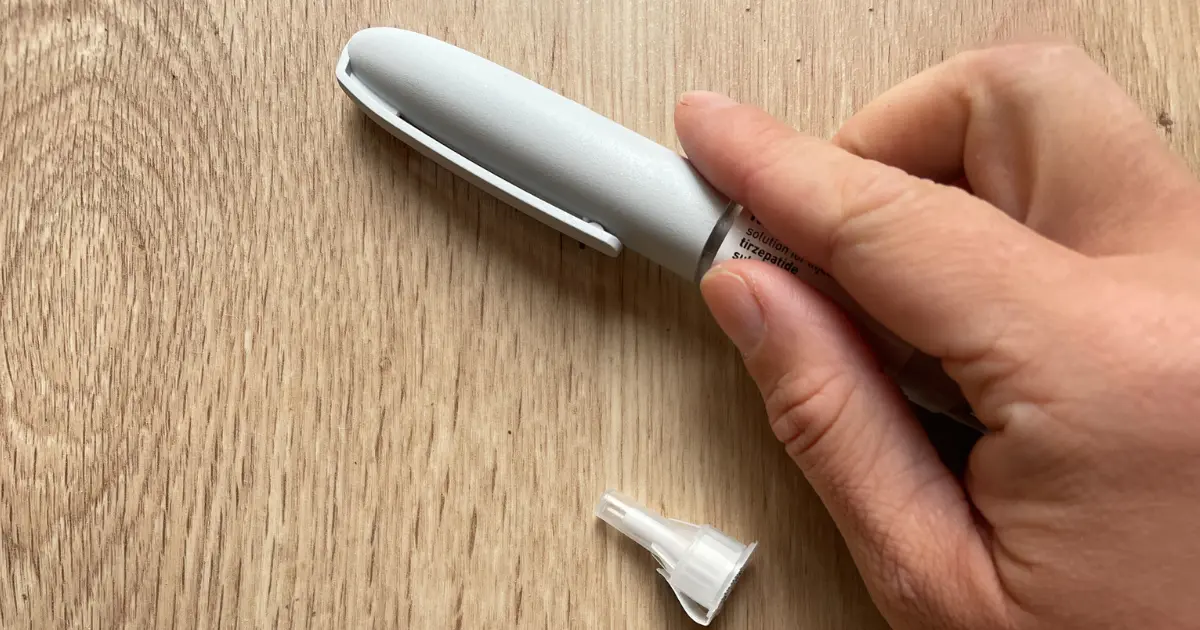
For people where significant fat accumulation has built up, particularly the abdominal kind most closely associated with cortisol hormone and weight gain, GLP-1 medications like Wegovy and Mounjaro work at the level of appetite regulation and metabolic function in a way that complements hormonal treatment directly.
Patients lose close to 7% of their starting weight within the first three months on average and around 11% by six months. Getting started with SheMed costs £59 for the first month, which is just over £2 a day.
The Honest Answer About Hormones and Weight Gain
The lack of results from your correct actions indicates that your hormonal system needs treatment instead of your behavioral patterns.
Cortisol leads to belly fat storage which causes appetite problems through chronic stress while body metabolism changes occur with fluctuating oestrogen levels. They are not excuses. They are explanations.
Weight gain from cortisol responds when the stress environment changes and when the right structured support is in place. Weight gain with estrogen replacement concerns respond when the clinical picture is properly managed.
People can end any situation in their life without facing permanent consequences if they choose to solve their most important problem instead of their most obvious one. Your body reacts to the messages that your hormones transmit to it. The process begins when you acquire understanding about those signals.
The content on the SheMed blog is provided for general informational and educational purposes only. While SheMed provides professional weight loss services and strives to ensure the information shared is accurate and up to date, we make no representations or guarantees as to its accuracy, completeness, or timeliness. This content should not be taken as personal medical advice or a substitute for consultation with a qualified healthcare provider. Always speak with your doctor or licensed medical professional about your individual health or medical needs before starting any new treatment or programme. Never disregard or delay seeking professional medical advice because of something you have read on this site. SheMed is not responsible for any actions you may take based on the information provided in this blog.
Related Articles