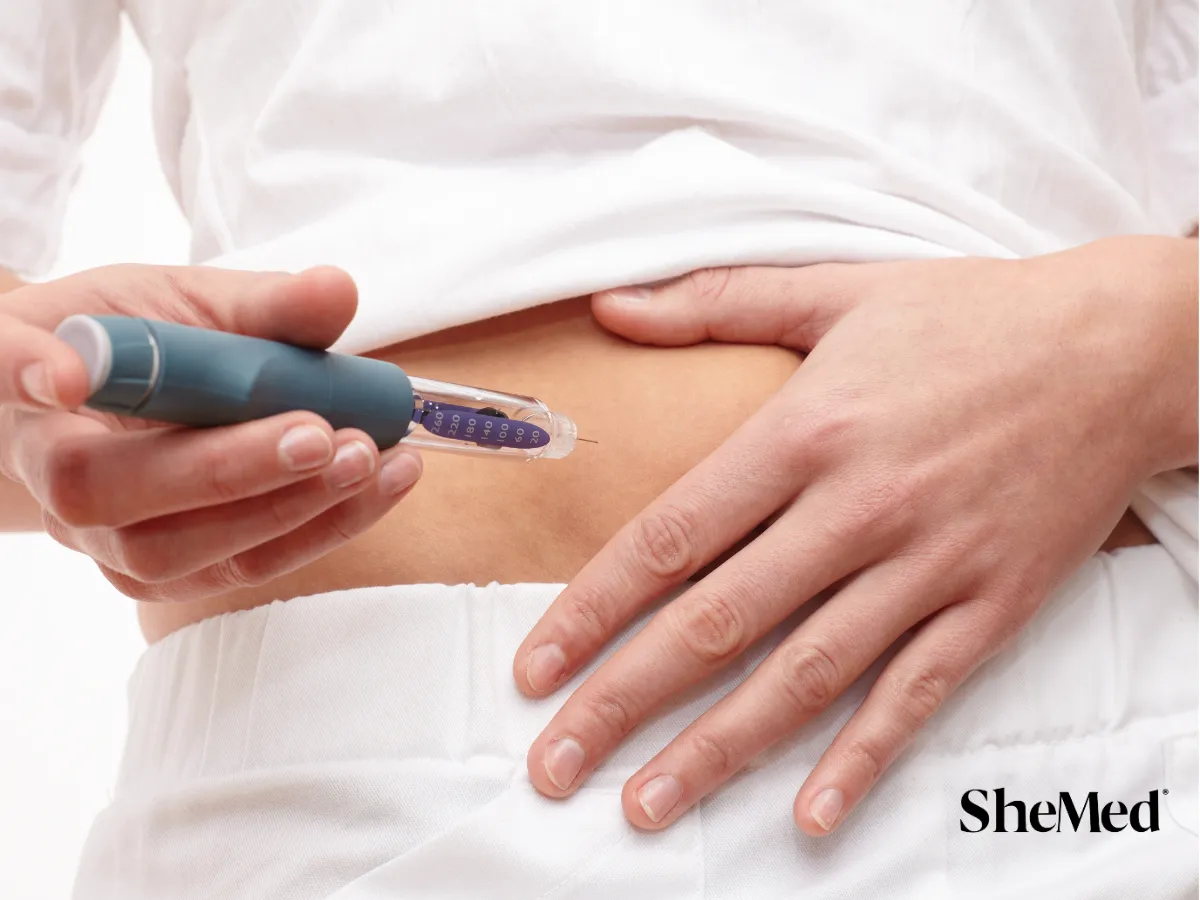
Imagine this: you’re a busy woman juggling work, family commitments, and your own well-being. You’ve decided to try GLP-1 medication to support your weight loss journey and are feeling hopeful about the potential benefits. But despite your efforts, you're wondering—why isn’t the weight coming off as quickly as you’d like?
Is there something more you could be doing to optimise the medication’s effects? The truth is, while GLP-1 drugs like semaglutide and tirzepatide can significantly help reduce appetite and improve satiety, the way you time your meals plays a crucial role in enhancing these benefits.
Meal timing is often overlooked when it comes to weight loss, but it’s a powerful tool that can work synergistically with GLP-1 medication to maximise its effects. Busy lifestyles can make consistent meal planning challenging, understanding how meal timing influences weight loss could make all the difference. What if you could boost the appetite-suppressing effects of GLP-1 drugs just by making simple adjustments to when you eat? What if those small changes in your meal schedule could help stabilise your blood sugar, enhance your energy, and improve your results?
GLP-1 medications act by engaging specific receptors throughout the body, with three primary mechanisms contributing to their effectiveness:
While GLP-1 medications offer substantial benefits, their side effects can sometimes pose challenges. Common side effects include:
Meal timing and composition are crucial in minimising discomfort while optimising the benefits of GLP-1 drugs. Here are evidence-based strategies:
Meal timing is more than just when you eat—it’s a powerful tool that influences metabolic processes, insulin sensitivity, and overall health. Research has increasingly highlighted the connection between the timing of meals and metabolic flexibility, which is the body’s ability to efficiently switch between burning carbohydrates and fats for energy. For individuals seeking to manage weight, improve blood sugar control, or maximise the effects of medications like GLP-1 agonists, understanding the science of meal timing can make a significant difference.
Metabolic flexibility refers to the body’s capacity to adapt its fuel source based on availability. For instance, during periods of fasting, the body shifts from burning glucose to relying on stored fats. When metabolic flexibility is impaired—a common issue in obesity or type 2 diabetes—the body struggles to efficiently switch between these energy sources, leading to insulin resistance and increased fat storage.
A study found that individuals with high metabolic flexibility were more likely to maintain a healthy weight and had lower risks of metabolic disorders compared to those with inflexibility. Moreover, those who adhered to meal timing strategies, such as time-restricted eating (TRE), exhibited enhanced metabolic efficiency and improved fat oxidation.
Insulin sensitivity fluctuates throughout the day, peaking in the morning and gradually declining by evening. This diurnal rhythm highlights why eating earlier in the day is often linked to better glucose control and weight management outcomes.
A study revealed that participants who consumed the majority of their calories earlier in the day had improved insulin sensitivity and lower fasting glucose levels than those who ate late at night.
Another clinical trial found that individuals who shifted their dinner to an earlier time and avoided late-night eating lost more weight and reported reduced cravings.
Meal timing also directly impacts blood sugar regulation. Late-night eating, for instance, can lead to higher post-meal glucose levels, decreased fat oxidation, and increased fat storage. Conversely, strategic timing of meals can promote steady blood sugar levels and reduce the risk of insulin resistance.
Combining effective meal timing strategies with GLP-1 medications can significantly enhance weight loss outcomes. Approaches such as time-restricted eating (TRE), intermittent fasting (IF), and strategic meal timing with a low-carbohydrate diet can complement the appetite-regulating effects of GLP-1 drugs while promoting better metabolic health. This tailored approach is especially beneficial for women seeking to optimise weight management without compromising their nutritional needs.
TRE involves consuming all meals within a specific time window, typically ranging from 8 to 12 hours, followed by a fasting period. This pattern aligns with the body's natural circadian rhythms, improving metabolic flexibility and insulin sensitivity.
A study found that individuals following TRE with an 8-hour eating window reduced their body weight, improved fasting glucose, and showed reduced appetite compared to those eating over a 12-hour window. Another clinical trial reported that combining TRE with GLP-1 medications, such as semaglutide, amplified weight loss effects by controlling hunger and reducing calorie intake.
Begin your day with a high-protein breakfast at 8 a.m., have a balanced lunch at 1 p.m., and finish with a light dinner by 6 p.m.
Intermittent fasting offers multiple protocols, making it easier to customise based on individual preferences and lifestyles. The two most popular options include:
A study compared the effects of IF and continuous calorie restriction, finding that IF led to similar weight loss but greater reductions in fasting insulin and inflammation markers. Women using GLP-1 medications, such as liraglutide, reported better appetite control when combining IF with the drug, as shown in a study.
A low-carbohydrate diet focuses on reducing carb intake while increasing protein, fiber, and healthy fat consumption. When paired with strategic meal timing, this diet can enhance the effects of GLP-1 medications by stabilising blood sugar levels and promoting satiety.
Research found that low-carb diets led to greater reductions in HbA1c levels and body weight compared to low-fat diets. A study showed that combining a low-carb diet with GLP-1 medications significantly reduced cravings for high-carb foods, supporting long-term adherence.
Balancing weight loss goals, GLP-1 medication regimens, and a busy lifestyle can be challenging, especially for women juggling work, family, and personal health. Meal planning and timing tailored to individual schedules can help overcome common barriers and optimise the effectiveness of GLP-1 medications.
GLP-1 medications, such as semaglutide or tirzepatide, are designed to regulate appetite and slow gastric emptying, making meal timing critical to achieving sustained satiety and preventing overeating. A study showed that patients on GLP-1 medications experienced greater appetite suppression and weight loss when meals were timed to coincide with peak drug effects. For example, if a GLP-1 medication is injected in the morning, having the first meal 1-2 hours later ensures maximum appetite control.
Tip: Schedule meals 1-2 hours post-injection to coincide with peak satiety effects. Avoid skipping meals, as this may lead to overeating later in the day.
Designing nutrient-dense meals that balance protein, fiber, healthy fats, and carbohydrates can help sustain energy and manage hunger. A study highlighted the importance of high-protein, high-fiber meals in reducing cravings and enhancing satiety during weight loss interventions.
Tip: Use meal prep containers to portion meals in advance for quick access during busy days.
Eating smaller, nutrient-dense meals at consistent intervals can help stabilise blood sugar and improve metabolic flexibility, especially when taking GLP-1 medications. A study found that meal timing synchronised with circadian rhythms enhanced insulin sensitivity and reduced weight gain.
For women managing family commitments, preparing meals that cater to everyone’s needs can save time and reduce stress.
Tip: Use a slow cooker or air fryer to prepare meals with minimal effort.
Research found that using reminders and structured meal plans significantly improved adherence to dietary regimens, particularly in women undergoing weight loss treatments.
Drinking water and choosing nutrient-rich snacks can prevent dehydration and keep hunger at bay between meals.
Tip: Keep healthy snacks in your bag or car for emergencies.
Involving loved ones in meal planning fosters a supportive environment and ensures everyone benefits from healthier choices.
Tip: Assign tasks like setting the table or selecting recipes to encourage participation.
Incorporating strategic meal timing into your daily routine is a key factor in optimising the effectiveness of GLP-1 medications. By carefully considering when you eat, you can enhance the appetite-suppressing effects of these medications, improve blood sugar control, and ultimately achieve better results in your weight loss journey. Whether you choose time-restricted eating, intermittent fasting, or a low-carbohydrate approach with strategic meal timing, each method offers distinct benefits that work synergistically with GLP-1 drugs.
For many women, meal timing not only supports weight loss but also improves other aspects of well-being, such as energy levels, sleep, and overall metabolic health. It’s important to personalise these strategies based on your individual needs and lifestyle, ensuring that your meal timings complement the effects of GLP-1 medications. Consulting with a healthcare provider can help guide you in making informed decisions that support both your weight loss and overall health goals. With the right approach to meal timing, you can unlock the full potential of GLP-1 medications, making your weight loss journey more sustainable, rewarding, and empowering.
1. How does meal timing impact GLP-1 medication effectiveness?Meal timing can influence the effectiveness of GLP-1 medications by aligning food intake with the medication’s peak satiety effects. By eating meals 1-2 hours after injection, you can ensure that appetite control is maximised. Additionally, strategically spacing meals throughout the day can prevent hunger and overeating.
2. Can I follow intermittent fasting while using GLP-1 medications?Yes, intermittent fasting (IF) can be compatible with GLP-1 medication use. However, it's essential to listen to your body and not skip meals entirely. Protocols like the 16/8 method (16 hours of fasting, 8-hour eating window) may be effective for some, but consulting a healthcare provider is important to ensure it aligns with your personal health needs.
3. Should I adjust my meal times if I experience nausea with GLP-1 medications?If nausea is a side effect of GLP-1 medications, consider adjusting your meal timing to smaller, more frequent meals. Eating smaller portions every 3-4 hours instead of large meals may help reduce nausea and improve digestion. Additionally, avoid heavy or greasy foods that can exacerbate nausea.
4. Is there an ideal time of day to eat when using GLP-1 medications?There is no one-size-fits-all answer, but it’s helpful to eat a balanced breakfast 1-2 hours after your medication injection, followed by lunch and dinner spaced throughout the day. A light dinner 2-3 hours before bedtime can help with digestion and optimise sleep quality.
5. Can meal timing help with blood sugar control while using GLP-1 medications?Yes, proper meal timing can improve insulin sensitivity and help maintain steady blood sugar levels. Eating meals at regular intervals throughout the day, ideally aligned with your medication’s effects, can reduce blood sugar fluctuations and prevent insulin resistance.
6. How can I make meal planning easier when incorporating meal timing strategies?Planning meals in advance and preparing them ahead of time can make meal timing easier. Focus on simple, nutritious meals that are easy to heat and eat. You can also use meal planning apps or set reminders to help you stay on track with your eating schedule.
Are you navigating a weight loss journey with GLP-1 medications like Wegovy or Mounjaro? While these drugs can be life-changing in helping manage weight, they also come with unique challenges that aren’t always discussed. Rapid weight loss and the way these medications affect digestion can increase the risk of deficiencies in essential micronutrients such as vitamin B12, iron, and calcium. These nutrients are vital for energy, immunity, bone health, and overall well-being. Yet, without proper attention, they can easily be overlooked, leaving women vulnerable to fatigue, weakened immunity, or even long-term health issues.
Busy lifestyles and cultural food habits might already impact nutrient intake, addressing these potential deficiencies is even more critical. The good news? With the right knowledge and practical strategies, it’s entirely possible to protect your health while achieving your weight loss goals.
This blog will shed light on the micronutrients that matter most, why they are at risk during GLP-1 treatment, and how to optimise your intake to stay healthy, energetic, and strong. Whether you’re just starting with GLP-1 drugs or are well into your weight loss journey, this information will empower you to make choices that support both your short-term goals and long-term health.
GLP-1 receptor agonists mimic the action of the natural GLP-1 hormone, which is secreted in the gut in response to food intake. This hormone plays a critical role in appetite regulation and metabolic processes. Here's how:
The impact of GLP-1 drugs on weight loss is well-documented through robust clinical trials.
The benefits of GLP-1 drugs are amplified when combined with healthy lifestyle choices. For example, pairing these medications with a high-fibre diet, regular exercise, and mindful eating practices creates a holistic weight loss strategy.
As evidenced by clinical studies and patient success stories, GLP-1 drugs are not just weight loss aids; they represent a new frontier in sustainable weight management. By targeting the body's natural satiety and hunger mechanisms, these medications empower individuals to achieve and maintain significant weight loss while improving their overall health.
Micronutrients—vitamins and minerals required in small amounts are critical for maintaining overall health and well-being. Despite their “micro” designation, these nutrients play a “macro” role in various bodily functions, including energy production, immune defense, and maintaining structural integrity. Inadequate intake or poor absorption of micronutrients can lead to deficiencies that negatively impact health, particularly in individuals undergoing significant dietary or medical interventions.
Micronutrients support critical physiological processes, including:
Vitamin B12 is essential for red blood cell formation, DNA synthesis, and nervous system function.
Iron supports oxygen transport in the blood, brain function, and immune health.
Micronutrients are indispensable for maintaining good health, yet deficiencies are surprisingly common, particularly among individuals with restricted diets or medical conditions. By adopting practical strategies such as dietary adjustments, supplementation, and regular monitoring, it is possible to maintain optimal micronutrient levels. Let’s explore actionable steps supported by scientific evidence to help optimize micronutrient intake and absorption.
A well-rounded diet remains the cornerstone of good nutrition.
A meta-analysis demonstrated that diets rich in diverse plant and animal foods significantly reduced the risk of micronutrient deficiencies compared to restrictive eating patterns like low-carb or vegan diets.
Supplements can fill nutritional gaps, especially for individuals at high risk of deficiency.
A study highlighted that targeted micronutrient supplementation, particularly of vitamin D, iron, and B12, improves clinical outcomes in populations at risk of deficiency.
Routine blood tests are essential for assessing and maintaining micronutrient levels.
A cohort study found that routine blood tests helped identify hidden deficiencies, leading to timely interventions and improved health outcomes.
Partnering with a healthcare provider ensures personalized and effective strategies.
A study emphasized the value of healthcare-guided nutrition plans, showing a 25% reduction in deficiency-related complications among patients who followed individualized dietary advice.
Losing weight with GLP-1 medications is a significant milestone in reclaiming health and confidence, but it comes with responsibilities to safeguard overall wellness. Micronutrient deficiencies can silently undermine the progress made through weight loss, leading to fatigue, poor immunity, or brittle bones if not addressed. By being mindful of nutrient intake, prioritising foods rich in essential vitamins and minerals, and considering supplements when necessary, women can stay ahead of potential health pitfalls.
Think of your health as a delicate balance. While weight loss is a key component, maintaining proper nutrition ensures that your body remains resilient, vibrant, and prepared for whatever challenges life throws your way. Through regular monitoring, consultation with healthcare providers, and small but impactful dietary adjustments, it’s possible to achieve weight loss without compromising on overall health.This journey is not just about seeing changes on the scales but also about feeling stronger, healthier, and more capable in everyday life. Let your weight loss transformation be a holistic one—fuelled by both the physical progress and the inner vitality that comes from proper nourishment.
Rapid weight loss and the effects of GLP-1 medications on digestion can reduce the absorption of key nutrients like vitamin B12, iron, and calcium. Micronutrient deficiencies can lead to fatigue, weakened immunity, and poor bone health, making it essential to monitor and optimise your intake.
Common deficiencies include:
Here are some strategies:
Supplements can help, especially if blood tests reveal deficiencies. For example:
Always consult your GP or a dietitian before starting supplements.
Regular blood tests every 3-6 months are recommended to track levels of vitamin B12, iron, calcium, and vitamin D. If deficiencies are detected, your GP may recommend more frequent testing or dietary adjustments.
While no food groups need to be entirely avoided, consider these tips:
Yes, fortified foods are an excellent way to boost nutrient intake. Examples include:
If you notice symptoms such as fatigue, brittle nails, or hair loss, consult your GP. They may recommend a blood test to confirm deficiencies and provide tailored advice on dietary or supplemental solutions.
Have you ever felt frustrated by conflicting advice about what constitutes a "healthy" diet? When following a weight loss plan supported by GLP-1 medications, it’s easy to feel unsure about what foods will complement your progress. The truth is, fats—often viewed with scepticism—are essential for a balanced and sustainable meal plan. In fact, incorporating healthy fats into your GLP-1-assisted weight loss journey can make a real difference, not only in how satisfied you feel after meals but also in supporting long-term health goals.
Healthy fats, like those found in avocados, nuts, and oils, can promote satiety, aid digestion, and even support hormone production—all crucial for effective weight loss. This guide explores how to incorporate these fats into your GLP-1 meal plan, why they matter, and answers the questions you may have about striking the right balance.
Healthy fats are primarily unsaturated fats found in plant-based oils, nuts, seeds, fish, and avocados. These fats provide numerous health benefits, including reducing the risk of chronic diseases and promoting heart and brain health. On the other hand, unhealthy fats—such as trans fats and excess saturated fats—are linked to negative outcomes like increased LDL (bad) cholesterol levels, inflammation, and cardiovascular disease.
Healthy fats are more than just a source of calories—they serve essential functions, including:
Healthy fats are broadly divided into monounsaturated fats and polyunsaturated fats, each offering unique benefits.
Monounsaturated fats contain a single double bond in their molecular structure, making them stable and less likely to oxidize.
A study showed that diets rich in monounsaturated fats reduced cardiovascular risk factors, such as elevated LDL cholesterol and inflammation markers, by 20%.
Polyunsaturated fats have two or more double bonds, making them less stable but highly beneficial for health.
A landmark study demonstrated that higher intake of omega-3 fatty acids from fatty fish reduced the risk of coronary heart disease by up to 35%. Another study revealed that omega-3 supplementation improved symptoms of depression, underscoring its benefits for mental health.
Incorporating healthy fats into your diet can be simple and delicious.
Balancing macronutrients is critical when managing weight loss or diabetes using GLP-1 receptor agonists, such as semaglutide or tirzepatide. Healthy fats, when included in a well-structured GLP-1 meal plan, provide lasting satiety, promote better blood sugar control, and improve nutrient absorption—all while enhancing the efficacy of these medications. Below is a detailed guide on how to incorporate healthy fats into your meal plan, complete with scientific insights, practical examples, and evidence-backed benefits.
GLP-1 medications mimic the hormone glucagon-like peptide-1, which slows digestion, reduces appetite, and promotes stable blood sugar levels. A study published in Diabetes Care (2020) found that combining healthy fats with a GLP-1 receptor agonist improved glycemic control and reduced appetite in individuals with type 2 diabetes, leading to sustained weight loss over six months.
Healthy fats complement this action by:
A study showed that a Mediterranean diet, rich in monounsaturated fats, significantly improved satiety and reduced BMI when paired with GLP-1 agonists compared to low-fat diets.
Incorporating healthy fats into meals is a crucial step toward improving nutrition and enhancing overall health, particularly when paired with balanced meal plans and medications like GLP-1 receptor agonists. Healthy fats, when chosen wisely and cooked correctly, can amplify the health benefits of a diet without adding unnecessary calories. Below is a detailed guide to selecting the best healthy fat sources, cooking methods, and maintaining portion control, with scientific insights and practical tips.
While healthy fats are nutrient-dense, they are also calorie-dense. A study showed that participants who consumed portion-controlled amounts of nuts and seeds experienced improved satiety and reduced overall caloric intake throughout the day. Proper portion control ensures that meals remain balanced and supportive of weight management goals:
Healthy fats aren’t just an option—they’re a vital component of a GLP-1 weight loss meal plan. By including foods rich in monounsaturated and polyunsaturated fats, such as olive oil, salmon, nuts, and seeds, you can enhance satiety, support hormone function, and make your meals both nourishing and delicious. The key is balance: enjoy these fats mindfully, pair them with fibre-rich foods, and adopt cooking methods that preserve their nutritional benefits.
With the right approach, healthy fats can become your ally in achieving sustainable weight loss and improving your overall health. Start experimenting with the tips and recipes shared here to create meals that work harmoniously with your GLP-1 journey.
Healthy fats play a crucial role in promoting satiety, supporting hormone production, and providing sustained energy. When combined with GLP-1 medications, they can enhance appetite control and help maintain a balanced diet.
Focus on monounsaturated fats (e.g., avocados, olive oil, and nuts) and polyunsaturated fats (e.g., fatty fish, walnuts, and flaxseeds). These fats support heart health, reduce inflammation, and improve overall well-being.
Not if consumed in moderation and as part of a balanced diet. Healthy fats are nutrient-dense and help you feel fuller for longer, potentially preventing overeating and supporting weight loss.
Use portion control strategies, such as measuring oil when cooking (1 tablespoon is about 120 calories) or limiting nuts to a small handful (about 28g). Pair fats with high-fibre foods to maximize fullness.
No. Avoid trans fats and oils high in saturated fats, such as palm oil. Instead, use oils rich in unsaturated fats, like extra virgin olive oil, avocado oil, and rapeseed oil, for cooking and dressings.
Olive oil can be safely used for light sautéing and roasting at medium temperatures. For high-heat cooking, consider avocado oil, which has a higher smoke point.
Include a mix of lean proteins (e.g., chicken or tofu) and fibre-rich carbohydrates (e.g., whole grains and vegetables) in your meals to create a well-rounded plate that complements GLP-1 medications.
We are thrilled to announce a monumental milestone for the SheMed community: we have successfully raised $50 million in Series A funding, officially valuing SheMed at $1 billion and cementing our status as a Unicorn company.
This landmark investment is more than just capital; it is a powerful validation of our mission and the extraordinary, unmet demand for truly personalised, women-focused healthcare.
In less than a year since our founding in April 2024, SheMed has grown into the UK’s fastest-growing GLP-1 programme, empowering over 60,000 members with a sustainable path to better health. This journey has been driven by the need to replace 'one-size-fits-all' treatments with clinically precise, compassionate, and accessible care.
As our Co-Founder and CEO, Olivia Ferro, explains:
“Achieving unicorn status validates the scale of the unmet needs for world-class GLP-1 care. Having been a GLP-1 patient myself, I know how transformative the right diagnosis and treatment can be. We built SheMed to give women the personalised support I struggled to find: care that listens, understands, and empowers.”
This new funding will be strategically invested to significantly expand our operations across the United Kingdom and enhance the quality of care our members receive.
The investment will be used to:
Co-Founder and President, Chloe Ferro, emphasises the market demand:
"The demand for SheMed's services has been extraordinary. Women are seeking care that recognises their individuality, their biology, and their experiences. It's why women continue to turn to SheMed for a tailored, more supportive path to healthcare.”
SheMed is redefining weight management and women’s metabolic health by integrating advanced medical oversight, data-driven insights, and continuous support through an all-in-one digital platform.
Our dedication to clinical precision is paramount. Unlike standard telehealth providers, SheMed requires a comprehensive at-home blood test for eligibility and tracking. This crucial step ensures that treatment plans are safe and tailored to your specific biology, providing you with a foundation for lasting health results.
This $50 million funding round marks the beginning of our next chapter—a chapter dedicated to scaling our impact and delivering truly world-class, personalised healthcare to every woman in the UK.
Thank you to our members and our partners for believing in the SheMed mission. We are just getting started.
When new medical studies are released, they can feel full of numbers and complex terms. At SheMed, our role is to help you understand what they really mean for you, your health, and your future.
Recently, Novo Nordisk released the results of the STEER study, one of the most significant pieces of research yet on GLP-1 medicines like Wegovy. And the findings show something powerful: Wegovy is not only about weight loss, it’s also about heart health.
The STEER study explored how GLP-1 medicines affect heart health in people living with Overweight or Obesity and established cardiovascular disease (but without diabetes).
Researchers compared Wegovy (Semaglutide 2.4mg) with Tirzepatide (Mounjaro). They focused on the risk of serious heart problems, what doctors call “major adverse cardiovascular events” (MACE). These include:
The results were striking:
In short, Wegovy is not only helping people lose weight, it is also showing clear cardiovascular protection, especially when used consistently.
We’ve always known GLP-1 medicines are powerful tools for weight loss, but the STEER study highlights something even bigger: they can also protect your heart. For anyone living with Obesity and cardiovascular disease, this is game-changing.
It also reinforces an important truth - long-term commitment matters most. The people who saw the greatest benefits were those who stayed consistent with their medication. That’s why at SheMed, we design every part of our programme to keep you supported, motivated, and engaged for the long run.
Medication is only one part of your health journey. At SheMed, we combine Wegovy with wraparound care:
This holistic approach matters because weight loss is just one marker of progress. By running blood tests before starting the programme, at 6 months, and 12 months, we can show you the deeper changes happening inside your body, improvements in cholesterol, blood sugar, and overall metabolic health.
It means you’ll see the true value of GLP-1s, not just in how you look or feel, but in the measurable ways your health is improving and your risks are reducing.
At SheMed, we’ve worked hard to make Wegovy accessible and affordable. With static, transparent pricing across doses, our members know exactly what they’re paying. That means no hidden surprises and no price hikes as you move up through titration.
When you combine that cost benefit with the evidence from STEER that Wegovy offers not just weight loss but cardiovascular protection the case for choosing Wegovy through SheMed becomes even stronger.
You’re not just investing in weight management; you’re investing in heart health, future health, and a programme designed to keep you safe and supported every step of the way.
The STEER study is a reminder that the story of GLP-1s is still unfolding and it’s about so much more than weight loss. These medicines are changing how we think about obesity, cardiovascular health, and long-term wellbeing.
At SheMed, we’ll continue to keep you informed as new research emerges, but more importantly, we’ll keep showing you the bigger picture through your own results. With every blood test, every milestone, and every step forward, you’ll see how far you’ve come not just in weight, but in health.
Because at SheMed, you’re not just losing weight. You’re gaining health, protecting your future, and building the strongest version of you.
Wegovy has quickly become a key treatment option in obesity management, particularly for adults living with excess weight and health conditions linked to obesity.
With recent price increases for Mounjaro®, another GLP-1 medication, many patients and healthcare providers are now turning to Wegovy as a strong alternative.
Clinical research shows that Wegovy can deliver significant weight loss results, often comparable to those seen with Mounjaro, making it one of the most effective options currently available.
Recent news and clinical trial data reveal that higher doses of Wegovy specifically at 7.2 mg weekly, have led to average weight loss of around 21% in adults with obesity, with approximately one-third of participants achieving a weight loss of 25% or more over 72 weeks. This is notably greater than the 15% average weight loss seen at the standard 2.4 mg dose.
Latest Clinical Data on Higher Doses
The 2025 STEP UP phase 3b trial evaluated semaglutide at both 7.2 mg and 2.4 mg weekly doses versus placebo in people with obesity who did not have diabetes. The results indicated a clear dose-response effect:
Regulatory and Safety Considerations
Comparing New findings with Mounjaro
At higher doses (7.2 mg), Wegovy has demonstrated weight loss outcomes that closely mirror those achieved with Mounjaro. Clinical data show an average 21% reduction in body weight over 72 weeks with Wegovy, with around half of patients reaching at least 20% weight loss. By comparison, Mounjaro studies report average reductions of up to 22–23% at higher doses over a similar treatment duration. While Wegovy’s 7.2 mg dose remains under regulatory review and is not yet standard practice, these findings highlight that patients considering a switch may be able to achieve results that are highly comparable to those seen with Mounjaro, offering another strong option in pharmacological obesity management.
Head-to-head style snapshot (72-week outcomes)
In conclusion, if you are considering switching from Mounjaro to Wegovy, now is an excellent opportunity. Wegovy offers a highly effective alternative for weight management with similar clinical results, and - importantly - comes at a considerably lower price, especially as Mounjaro prices are set to rise sharply in the UK from September 2025. Choosing Wegovy can help maintain your weight loss goals while making your treatment more affordable.
If you have any questions or need personalised advice about making the switch, please do not hesitate to contact the Shemed support team at support@shemed.com.
References