10 Ways How Weight Loss Medications Help With Health

Medically reviewed by Rachael Joy, Chief Clinical & Strategy Officer.
Weight loss medications have come a long way from being a last resort. For many people, they are now the missing piece that turns years of frustrating effort into real, measurable progress.
But beyond the numbers on the scale, these medications do something far more interesting: they quietly improve your overall health in ways that go well beyond simply eating less.
Here is a closer look at ten meaningful ways weight loss medications help:
1. They Reduce Appetite in a Way That Feels Natural
The most immediate effect most people notice with medications is not dramatic; it is a gentle but persistent reduction in how much they think about food. Unlike willpower, which runs out, appetite regulation through medication works at the hormonal level, making smaller portions feel entirely satisfying rather than like deprivation.
In SheMed's programme, the difference shows up quickly in patient data. Before starting, close to 45% of patients described their portion sizes as large. By the first refill, that figure had dropped to just over 3%.
That is not people forcing themselves to eat less. That is their body simply wanting less.
2. They Support Sustainable Snacking Habits
Snacking is where most diets quietly fall apart. It is not the meals that derail progress, it is the handful of biscuits at 3 pm and the bowl of chips after dinner.
Weight loss medications help here too, and the change can happen surprisingly fast. Among SheMed's patients, just over 40% reported snacking multiple times a day before starting the programme. The same number had gone to less than 10%, at the first refill.
3. Achieve Meaningful Weight Loss
GLP-1 medications have been shown to provide extremely effective treatment results. The average percentage weight loss at SheMed will be around 7% from initial weight at the end of 3 months, with an average of 11% at the end of 6 months for those participants.
Upon starting the treatment, these 2 outcomes can provide meaningful progress toward one's goals of achieving a reduced body mass index.
Additionally, 63% of patients have been able to achieve greater than 5% body weight loss within 6 months, while almost 50% of patients lost greater than 10% of body weight by that time.
These statistics are representative of the successful outcome achieved with the help of medications.
4. They Improve Cardiovascular Health Markers
Cardiovascular health is heavily dependent on your weight. Studies suggest that even a small reduction in weight can lead to decreased cholesterol levels.
GLP-1 medications improve your heart's overall health by helping you lose weight in significant quantities and at a relatively faster pace, lessening the stress that your heart takes.
5. They Help Regulate Blood Sugar Levels
GLP-1 medications have been shown not only to be effective for helping manage blood sugar, but also other health benefits like weight loss, decreased cholesterol levels, improved cardiovascular health, etc.
GLP-1 medicines have been found to help reduce blood glucose spikes and crashes, which often lead to feelings of hunger or fatigue, thereby enhancing a person's overall health status.
In addition to GLP-1 medications, pears and grapefruit are good food choices because they contain low glycaemic indexes and help regulate insulin levels in the body.
6. They Shift Eating Habits Toward Healthier Choices
Food choices you make are often better when you are not eating out of anxiety, boredom, or uncontrollable hunger. Making the change from fast food to healthy greens becomes a little bit easier.
SheMed's data reflects this. Around 63% of patients reported actively buying different types of food since starting the programme, including higher protein options, lower sugar alternatives, and smaller portions. A further 64% reduced their spending on takeaways and eating out.
These are not instructions people were given; they are choices people started making because the medication changed what they actually wanted.
7. They Can Support Healthier Sleep
Poor sleep always leads to poor eating. The math is simple.
Lack of sleep = Increase in Ghrelin production (the hormone that increases hunger) + Decreases in Leptin production (the hormone that tells us to stop eating).
Some studies indicate that losing weight improves sleep quality because weight loss results in reduced airway obstruction, thereby reducing snoring and sleep apnea.
8. Increases Physical Activity
Excess weight can hinder any physical activity. Painful joints, low energy and motivation makes movement uneasy. Losing weight makes these problems go away and makes physical activity not only easy but enjoyable.
SheMed's patients show this progression clearly. At the first refill, just under half described themselves as fairly active, aiming for around 150 minutes of activity per week.
By their latest refill, that figure had increased noticeably, with more patients also incorporating strength training into their routines.
Medication creates the conditions for exercise to become enjoyable rather than punishing.
9. Right Medicines means no Side Effects
A common worry among people is what about the side effects of weight loss drugs? This is a fair concern, and the answer is that while side effects exist, they are very manageable for most individuals.
In a SheMed survey of over 60,000 patients, 20% reported any side effects. Of these patients with side effects, over 50% said they were minor and most resolved within the first month. Less than 1% of patients stopped their medication due to side effects.
These statistics align with other similar studies - for most people taking these medications, the benefit far exceeds the temporary discomfort associated with them.
10. They Build Confidence and Change Long-Term Behaviour
Psychological shift is often overlooked when it comes to counting the benefits of weight loss.
Over 65% of SheMed's patients reported buying new clothing in different sizes. That is not just a number, it is a signal that people are experiencing their bodies differently, often for the first time in years.
Nearly 95% of SheMed's patients had previously attempted lifestyle changes without lasting success.
For some people medications was the only way they could live this new and improved life.
Is Taking Pills to Aid Weight Loss the Same as Other Treatment Options?
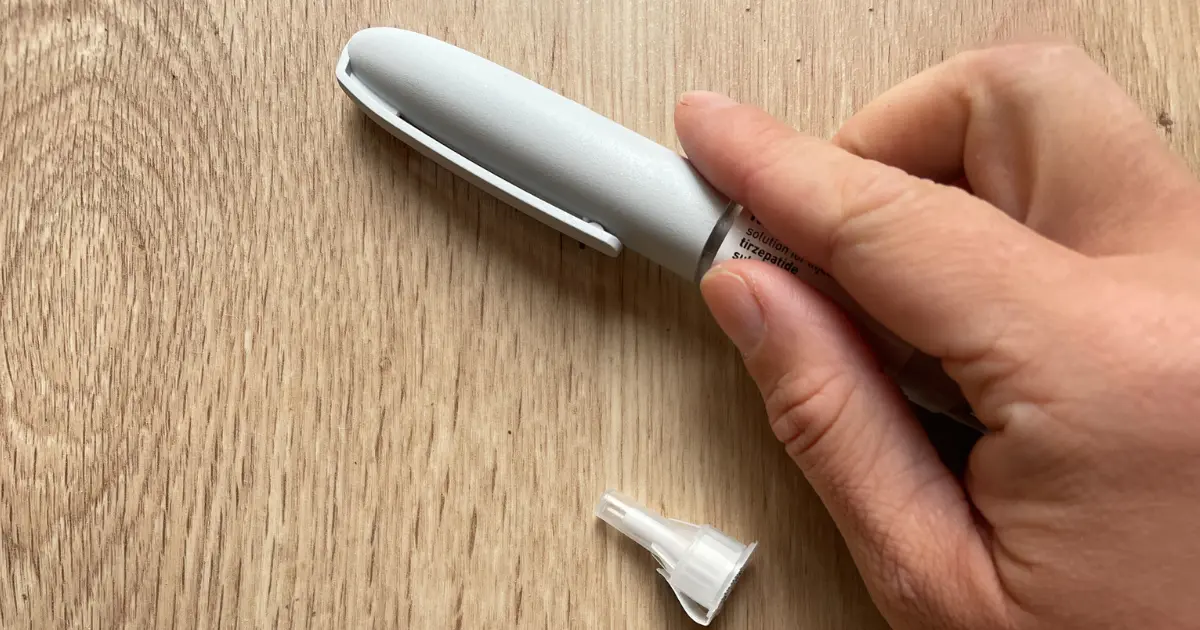
While weight loss pills, belly shots for weight loss, and injectables are all commonly put together when talking about weight loss, they are very different types of products and have different amounts of scientific research supporting them. The most scientifically studied weight loss medications (i.e., prescription GLP-1 medications) are those that have been proven via structured programs with clinical oversight and monitoring (Wegovy, Mounjaro).
B12 injections for weight loss, and L-carnitine shots could serve as supporting agents for treatment via addressing a nutritional deficiency that can occur when calorie restriction is done, but should only be viewed as tools that differ from primary treatment options.
If you're looking for weight loss options and want to pursue a medically supervised program with positive outcomes, SheMed's program offers just that. We are a family of over 100,000 women with statistically significant results.
So Do Weight Loss Medications Give Guaranteed Results?
No medication guarantees anything on its own. Instead of looking for best shots for weight loss, people need to find medications that better their lifestyle.
What GLP-1 medications do is create the biological conditions in which making better choices becomes significantly easier. The willpower is still yours; the medication simply stops the system from working against you.
Between 80 and 85% of SheMed's patients report improved control over food cravings, and between 90 and 95% report better portion control. Those are not coincidences, they are what happens when the right medical support meets consistent effort.
The content on the SheMed blog is provided for general informational and educational purposes only. While SheMed provides professional weight loss services and strives to ensure the information shared is accurate and up to date, we make no representations or guarantees as to its accuracy, completeness, or timeliness. This content should not be taken as personal medical advice or a substitute for consultation with a qualified healthcare provider. Always speak with your doctor or licensed medical professional about your individual health or medical needs before starting any new treatment or programme. Never disregard or delay seeking professional medical advice because of something you have read on this site. SheMed is not responsible for any actions you may take based on the information provided in this blog.
Related Articles