
Anti Depressants Weight Gain: What Is Actually Happening and What You Can Do About It

Medically reviewed by Rachael Joy, Chief Clinical & Strategy Officer.
People who began taking antidepressants recently and within a few weeks experienced changes in their clothing fit, it is a real problem. The relationship between antidepressants and weight gain exists as a genuine medical fact which people frequently cite when they start treatment for depression or anxiety.
The frustrating part is not hard to see. Your body undergoes unexpected changes which people did not inform you about while you are already facing a difficult situation.
Understanding why this happens, which medications cause it and which treatment options exist is a better starting point than blaming your own habits.
Why Do Anti Depressants Cause Weight Gain?
The situation arises from multiple factors which interact with each other to create an ongoing process that produces various effects. A lot of antidepressants have an impact on the brain's serotonin and histamine receptors.
Histamine is very essential to the body's appetite control system. But when its activities are compromised, it may result in aberrant hunger. There is a possibility that you may crave for stuff you wouldn't typically want or be hungry at strange hours.
Some medications create a minor decrease in metabolic rate. Nothing dramatic, but enough that meals you have always eaten can land a little differently on your body over time.
The third factor is easy to miss. When your mental health genuinely begins to improve, appetite often returns. If depression has been suppressing your hunger for months, eating more once you start feeling better is not purely a drug side effect. Your body is catching up.
One has to keep in mind that the cause of weight gain is different when deciding how to respond.
Anti Depressants That Cause Weight Gain: The Main Ones to Know
The risks associated with each antidepressant vary. Some are significantly more likely than others to result in changes in weight.
Mirtazapine is probably the most discussed in this context. When someone takes it frequently, there is a potent effect. Compared to other SSRIs in its class, paroxetine has a stronger correlation with changes in weight.
Tricyclic antidepressants, such as amitriptyline, are older drugs that generally have more serious adverse effects related to weight.
You are in common company if you fall into any of these categories and have observed a change in the scale. It is worth raising with your prescriber rather than quietly accepting it as unavoidable.
Anti Depressants Without Weight Gain: What Are the Alternatives?
Many people are unaware that there are a number of anti depressants without weight gain or have a significantly lower correlation with weight changes. Some of the anti depressant that doesn't cause weight gain are as follow.
Bupropion is the most talked about antidepressant as it doesn't make you gain weight. Rather than serotonin, it acts on dopamine and norepinephrine. Some studies have also connected it to a modest weight loss.
The neutral-to-low-risk category for most people have SSRIs like sertraline and fluoxetine, particularly in the short term.
You need to have a crucial conversation with your doctor, if weight is a significant worry for you. Instead of suffering in silence, have a concrete conversation, even though switching isn't always suitable or practical.
What Happens to Your Eating Habits During This Period?
One pattern that often goes unreported is the extent to which taking antidepressants hampers a person's day to day eating habits without actively managing their weight. Many find themselves eating larger portions and snacking more frequently, in part because the medication has altered how fullness signals are registered and in part because appetite has returned.
This is something that frequently comes up in programs for managing weight. Before starting structured support, between 40% and 45% of people describe eating large portions at most meals.
When the proper program is implemented, the percentage usually declines significantly in the first few weeks, with substantial reductions to less than 5% at the initial refill check-in.
The pattern of snacking is similar. Once structure and accountability are established, people who snack several times a day - just over 40% of people before they started—tend to quickly give up that habit.
Willpower alone is rarely sufficient to bring about these changes. A framework makes an enormous difference.
Can a Programme Help With Anti Depression Weight Gain?
Yes, really. Medication-induced weight gain does not guarantee that you will always have it. A structured weight loss programme can work alongside your antidepressant treatment rather than in conflict with it.
SheMed's Weight Loss Programme is designed precisely for situations where biology has been working against your efforts. Nearly 95% of the more than 60,000 patients report better portion control, and between 80 and 85% report better control over food cravings.
Consistent and supervised support is significantly more important for someone whose medicine has been increasing appetite signals than broad recommendations to eat less.
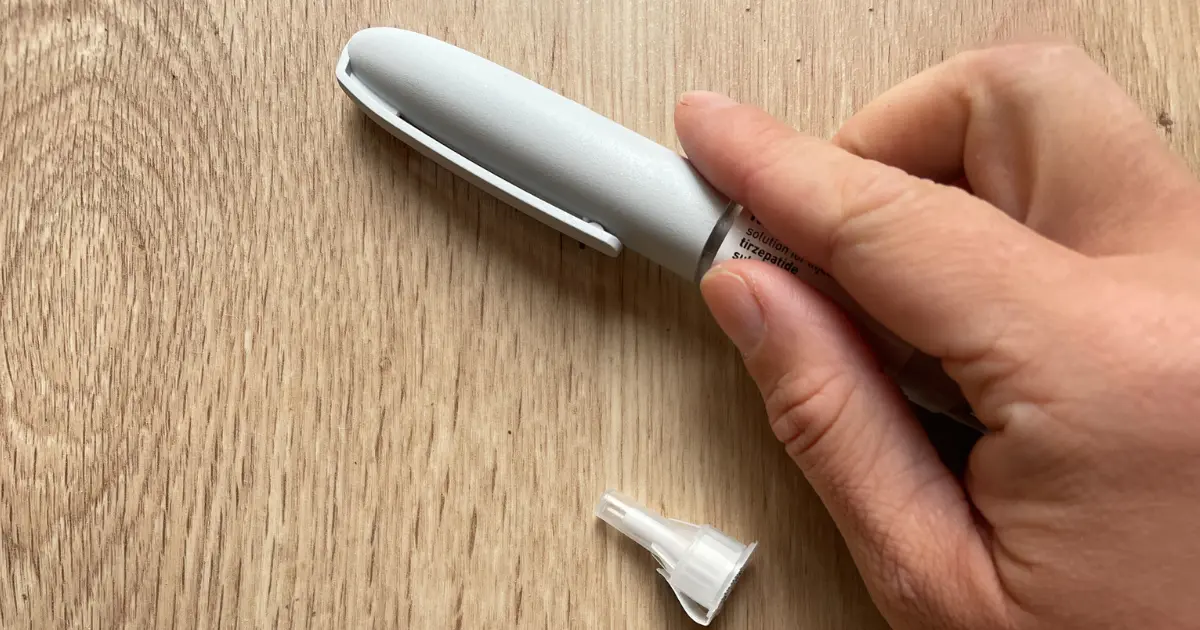
Additionally, it's crucial to understand GLP-1 medications like Wegovy and Mounjaro. They directly address appetite regulation, which is frequently the main issue when anti depressants and weight gain are involved.
Patients typically lose roughly 7% of their starting weight in the first three months and more than 11% by the six-month point. For someone managing weight changes that started with antidepressant medication, those numbers are noteworthy.
Is anti depressants weight gain Permanent?
Not necessarily. The weight gained from antidepressants that can cause weight gain isn't always permanent. Even if they don't alter their food, some people find that it settles after a few months. To observe any growth, others may require more direct assistance.
The most important thing is to take care of it immediately. It's easier to work things out if you understand the pattern early. This could demand for enrolling in a structured weight loss program, discussing with your doctor the possibility of switching to an anti depressant that doesn't cause weight gain, or researching medicinal options such as GLP-1 medicines. You have a lot of options.
Your physical health shouldn't be sacrificed in order to receive mental health care. It doesn't have to be that way if you have the proper assistance.
The content on the SheMed blog is provided for general informational and educational purposes only. While SheMed provides professional weight loss services and strives to ensure the information shared is accurate and up to date, we make no representations or guarantees as to its accuracy, completeness, or timeliness. This content should not be taken as personal medical advice or a substitute for consultation with a qualified healthcare provider. Always speak with your doctor or licensed medical professional about your individual health or medical needs before starting any new treatment or programme. Never disregard or delay seeking professional medical advice because of something you have read on this site. SheMed is not responsible for any actions you may take based on the information provided in this blog.
Related Articles